Marc Ribot is sick of everyone. Or so it seems. Or artists and activists, anyway. And politicians. And cowboys, although they might be a metaphor for one or more of those other categories.
Hope—Ribot’s second release with his quick-quitted trio Ceramic Dog in nine months (out June 25 on Northern Spy) and fifth overall—seems to hold little hope, at least for the current generation(s) of humans. Ribot lashes out in weary sprechgesang like a punk past his bedtime at performance artists, wannabe rock stars, contemporary poets and postmodern philosophers on the lead track and advance single “B flat Ontology.” He rejects capitalism, commerce, financial institutions and most household objects in “The Activist (or, Twistin’ Time is Here)” in a fury that lands somewhere between Bob Dylan and Sam Kinison. He scornfully namechecks Donald Trump in two of the four tracks with lyrics, dating the record before it’s even released, although the visceral schadenfreude derived from his palpable contempt for the current zeitgeist is, admittedly, gleefully gratifying enough to compel Germanic pretensions.
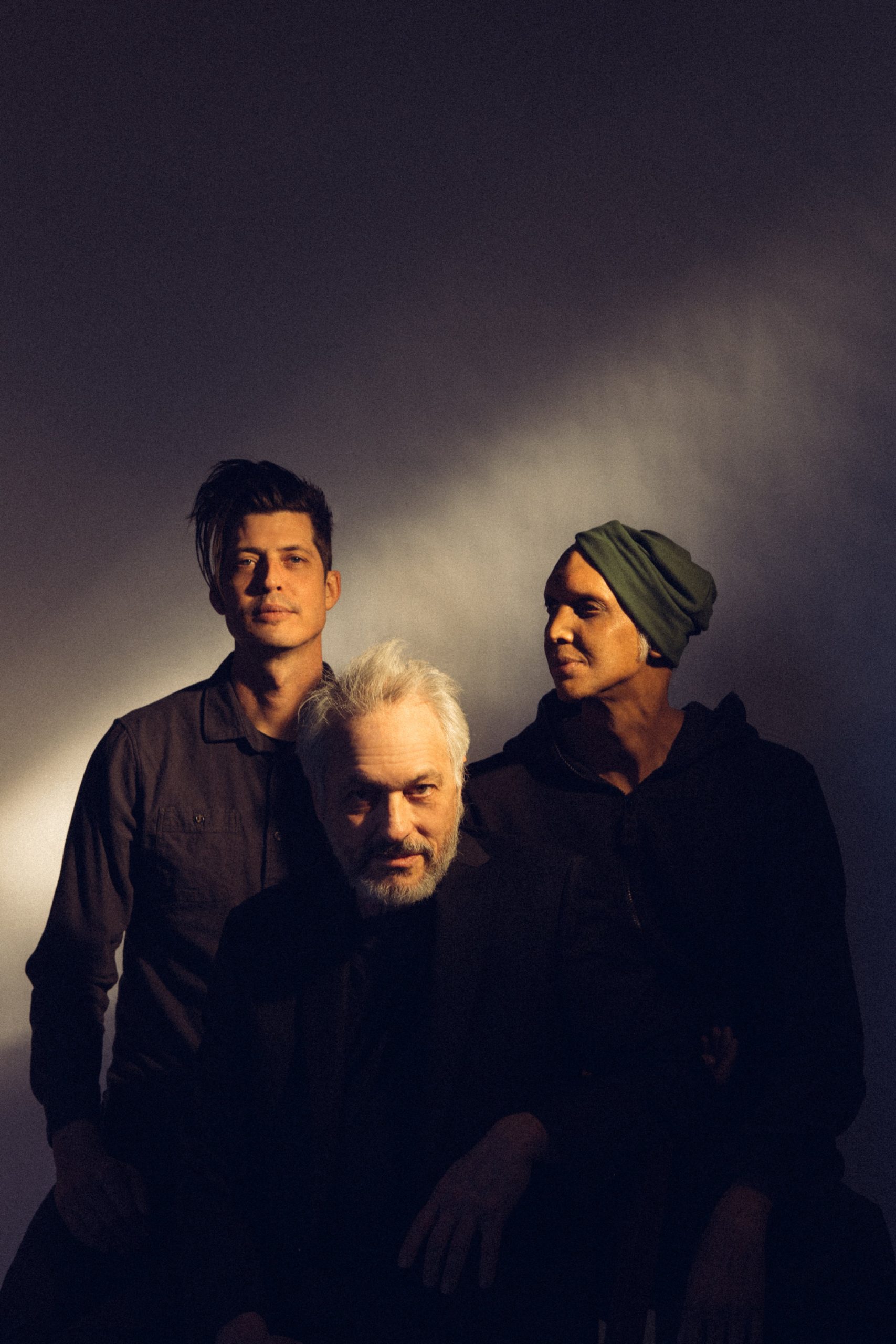
So where is the hope to be found? Fair question. The solution may have something to do with nickelodeons, (“All around the Christmas tree / Bigelow accessory / Don’t know what it means to be / a forklift, or not to be”), but I can’t figure that song out. It may be that the title is a false promise and there isn’t actually any hope to be had, as the photo of a teeny, inconsequential planet Earth in the black emptiness of space on the cover suggests, but I don’t think that’s it. I think, and forgive me as I speculate wildly, but I think Marc Ribot, bassist/keyboardist Shahzad Ismaily and drummer Ches Smith find hope in music. I think that’s what Ceramic Dog isn’t sick of, because it’s almost funny, or cleansing, or another kind of glee, how much joy radiates from the five instrumentals on the album. They erupt into driving rock jams and, just as easily, hang suspended within rhythm with no one is keeping strict time. They don’t rush through the pensive moments and, somehow, don’t rush through the blasting ones, either. The rants are a hoot but the band is at its best when floating past the societal flotsam. The wonderfully titled “Maple Leaf Rage”—a 13-minute, three-part suite that which gives generous space to Smith’s brushes before exploding into a blistering guitar victory march—is the real highlight of the album, even if it won’t get the laughs.
Author

Discover more from Red Hook Star-Revue
Subscribe to get the latest posts sent to your email.