
The first Shore Power System (SPS) on the East Coast is operational in Red Hook at the Brooklyn Cruise Terminal and has been for several months, according to New York Power Authority spokesman Paul DeMichele.
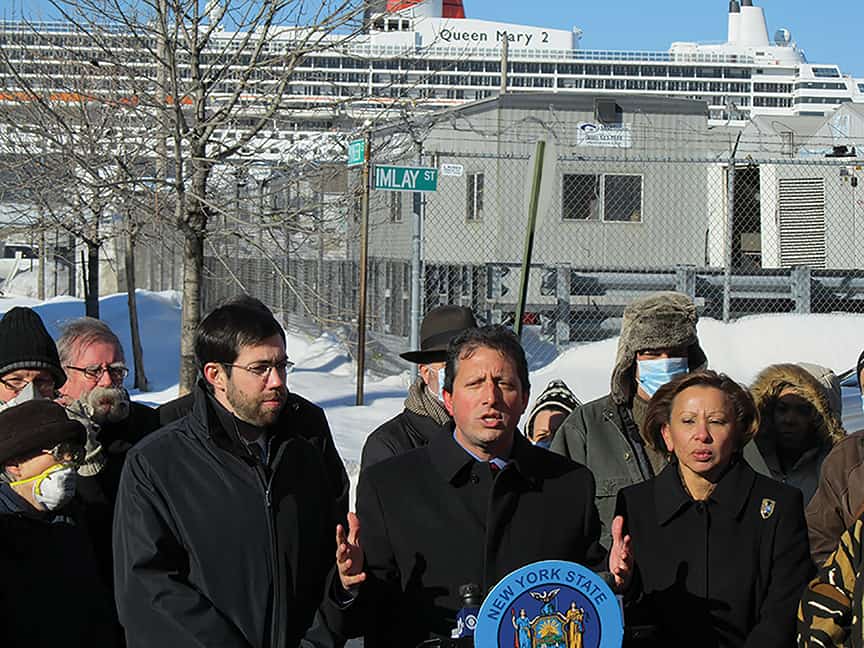
The SPS allows some cruise ships to plug into the New York Power Authority’s electric grid, rather than idling their engines in port by burning highly harmful “bunker” diesel fuel. The final cost for the installation of the project was $21 million.
The Port Authority of New York and New Jersey, which installed the SPS, will turn over its maintenance and operation to the New York City Economic Development Corporation (EDC) this month, four years after it was first approved and after more than two years of delays.
Carnival Cruise Lines, which owns the Queen Mary II, the Regal Princess, and the Caribbean Princess, has retrofitted its ships in order to use the system.
One difficulty during the negotiations was the question of who would pay for the electricity consumed by the cruise ships. According to DeMichele, Carnival will pay the EDC 12 cents per kilowatt hour, while the New York Power Authority and the NYC Department of Citywide Administrative Services will split the remainder between 12 cents and market rate.
The installation of the Shore Power System (SPS) was a direct result of activism within the Red Hook community, especially by full time musician and Red Hook resident Adam Armstrong. He became concerned as early as 2005 about the pollution that would be caused by the Brooklyn Cruise Terminal, then still in the planning stages.
“When they announced that the Cruise Terminal was coming, most people in the neighborhood were just like ‘oh, that’s probably fine, at least it’s something kind of maritime,’” remembers Armstrong. “I started educating myself on what it would mean, and I started discovering that in New York and in a lot of ports everywhere ships basically idle when they’re in port. They don’t turn off their engines; they need to run their engines unless they use this technology called shore power.”
According to a 2010 statement by then-Port Authority Executive Director Chris Ward, switching to a SPS system at the Brooklyn Cruise Terminal would save Brooklyn residents as much as $9 million per year in health care costs.
“We’re wedged in an area between the BQE and the port, where we’re already dealing with pollution issues,” says Armstrong. “My frustration with the cruise terminal was really, it all happened and no one said anything. They knew they’re coming into an area where people are already struggling, right next to the largest public housing in Brooklyn, with people already dealing with issues in their life health wise and socioeconomically, and [they were] okay with pouring tons and tons of soot into the air for these kids to breathe?”
In 2006, Armstrong wrote a letter to the Mayor’s office inquiring whether a SPS would be used in the Brooklyn Cruise Terminal, and was given a decisive ‘no.’ After a few years’ worth of community meetings, however, the Port Authority announced that it would, in fact, install a SPS.
Embarassed into it
“I really think when it came down to it, they were embarrassed into it,” says Armstrong. “It may have been a way to placate the whole situation.”
The delayed implementation of the SPS was partially due to new engineering required in the wake of Superstorm Sandy, according to Port Authority spokesman Steve Coleman, “including the elevation of the Shore Power Equipment Substation and the installation and positioning of the heating, ventilation and air conditioning rooftop unit and general revisions to the transformer deluge fire suppression system.”
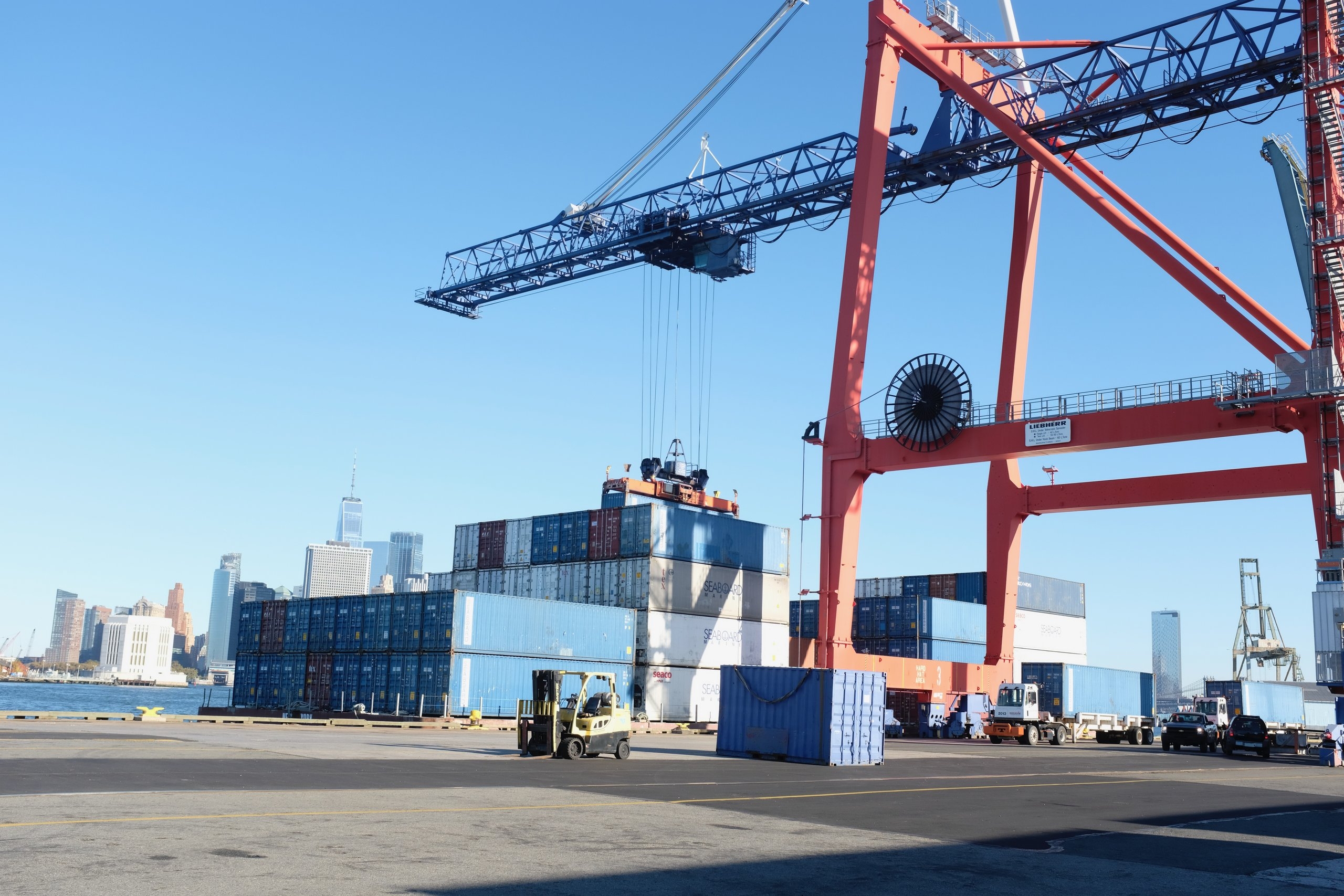
Asked what the efforts the Port Authority is making to reduce port pollution at the neighboring Brooklyn Container Terminal, Coleman wrote that there are several financial incentives in place for ships, trucks, and cargo equipment owners and operators to update and replace their older, dirtier engines.
update August 11, 2016:
An earlier version of this story stated that Mr. Armstrong sent a letter to and received a response from the Port Authority. The letter was sent to the Mayor’s office, not the Port Authority.
Discover more from Red Hook Star-Revue
Subscribe to get the latest posts sent to your email.
One Comment
Pingback: Formula E will race in Brooklyn in 2017 – Diashmond