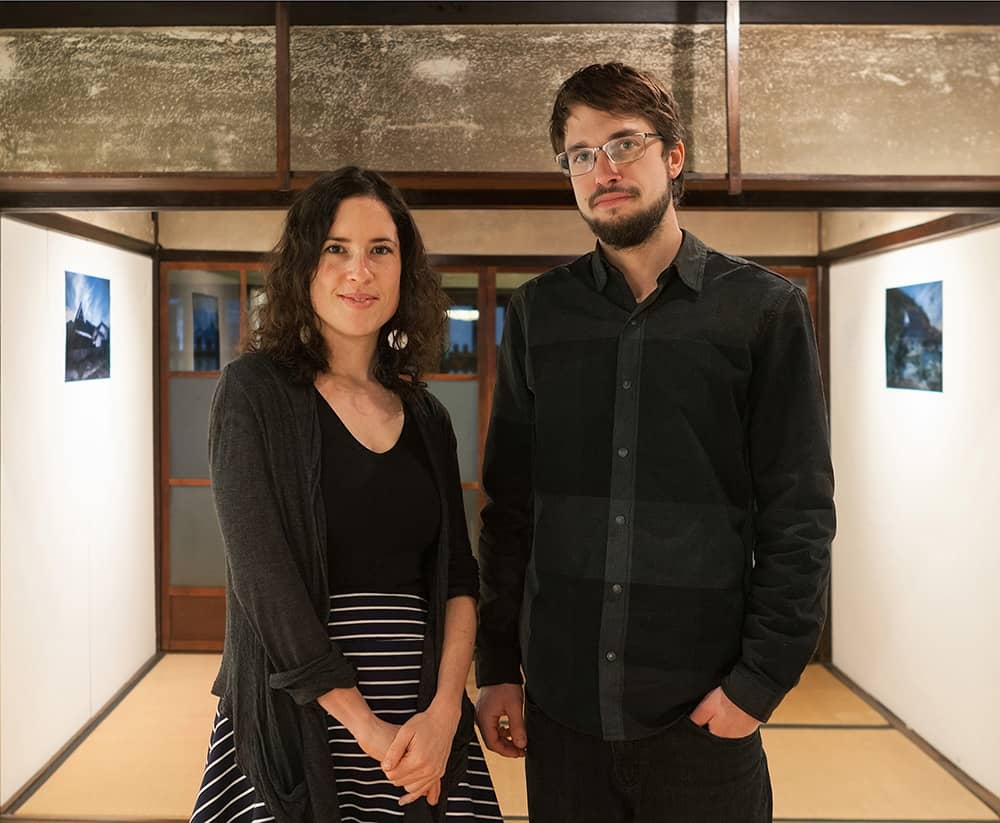
Canadian visual artist duo Gagnon-Forest spent the last 2 months in Red Hook doing an art residency in collaboration with De Construkt Project.
Mathieu Gagnon and Mathilde Forest were researching and gathering stories in order to create a body of work based on Red Hook architecture and heritage in the midst of social and economic changes. The Star Revue interviewed the artists at the end of their stay.
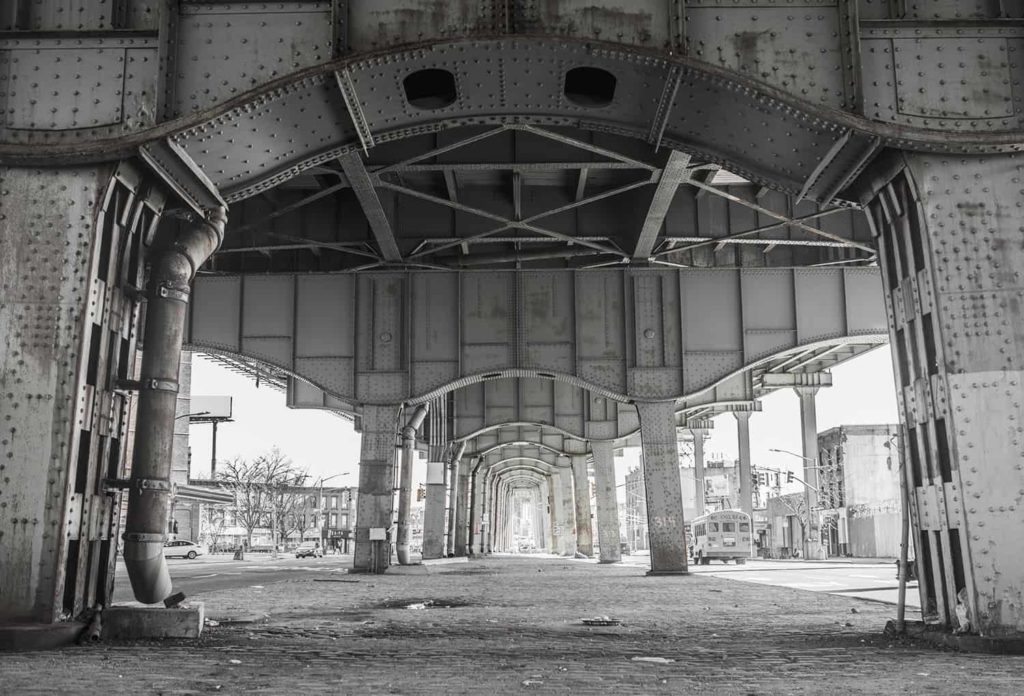
(Mathieu Gagnon) The project is titled “Red Hook: Wards of Imaginaries” and aims to explore the neighborhood existing architecture in areas facing fast coming changes. It’s a visual art project featuring the use of photography, 3d scans—and drawings. It is as well an opportunity to document some architectural ensembles that may change or even disappear from the public space—in the context of intense real estate pressure that most of the neighborhoods are experiencing, especially the buildings located by the waterfront.
(Mathilde Forest) We started by researching Red Hook architectural heritage. We wanted to represent some of the notable buildings and also sites called “in danger,” those that are being transformed or risk of disappearing because of the changes to the city.
We wanted to hear local people’s opinions about which are important to them and if there were any unusual buildings we should research.
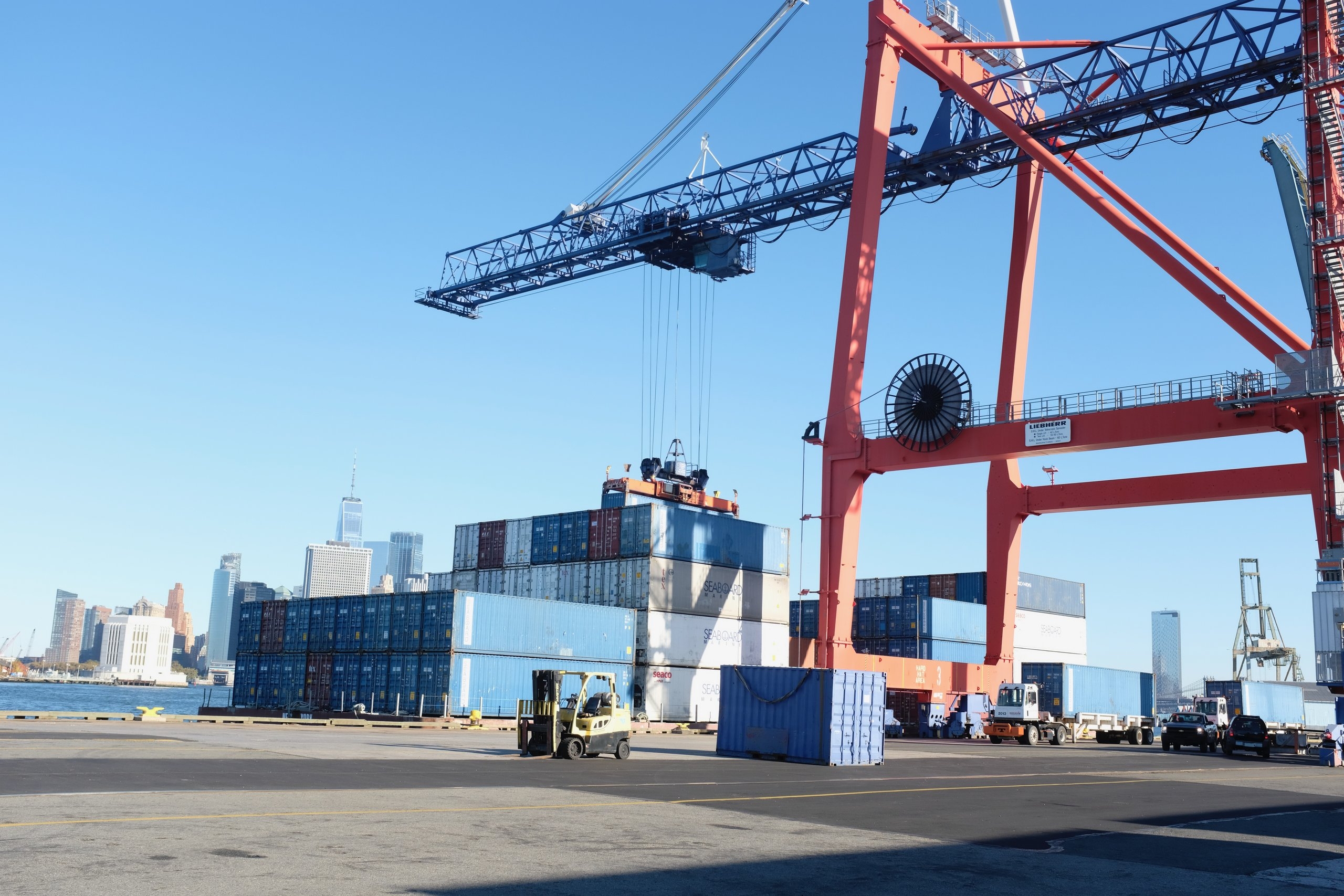
They could be of any types, official or unofficial historical buildings, apartment projects, former naval buildings or giant warehouses so typical to Red Hook.
Visual archive research is also a key in our process. To give you some examples, our search for archives bring us back to the early years of Dutch settlement, in the glory years the shipping wards, and the construction of the BQE by Robert Moses in the early 1940s. We have used archives material in some of our previous projects.
We were struck by the amazing generosity of Red Hook people. In a short time, we were able to collect dozens of stories; It’s amazing because so many Red Hookers took time and the energy to share their vision of the neighborhood, they invited to their houses, in their workspaces or they stop by to talk on the street.
Also, the help that we receive from De Construckt director, Laura Arena, has also been incredibly valuable.
(SR) As visual artists, what is specifically interesting in Red Hook according to you ?
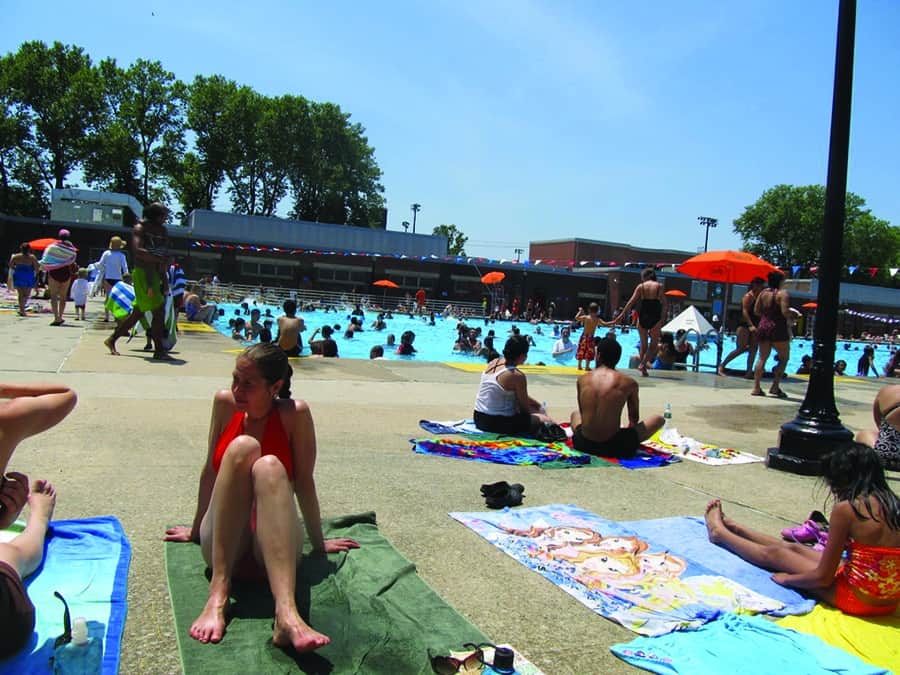
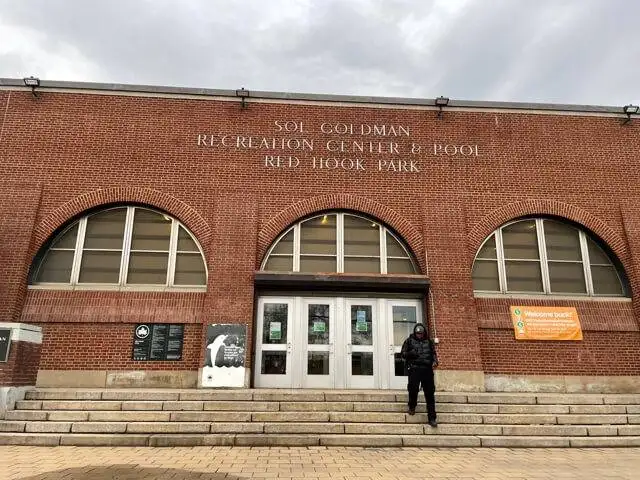
(M.F) Some areas of Red Hook architecture totally work as a whole while there are also some interesting contrasts. For Brooklyn, it’s impressive to find such a diverse mixture of low rise architectural types where industrial uses are next to housings. Maybe it’s little known but there are very beautiful residential and recreational areas in the neighborhood.
(M.G) When you look at Red Hook’s map, it’s striking how it was somewhat cut-off. The fact that it is less directly accessible by a subway station sure contributes to this feeling when you get there. Once in the heart of it, you feel a different time, much more quiet than most people would think, and with fresh air coming the closer you get to the waterfront. It’s also about the various architectural typologies that you can find. The landscape is very interesting.
(S.R) Can you give us an example of the buildings that will appear in your series ?
(M.F) It wasn’t easy to pinpoint a shortlist of them because they are quite concentrated.We found an interesting red brick and wood house on Coffey Street. It was vacant for several months. Last week, demolition began, so we had the opportunity to document it before, and during, this key moment that usually means upcoming changes to the landscape.
At the corner of Otsego and Sigourney, another building caught our attention, it’s an industrial brick construction with three small chimneys. This one mixes a curved arch portal and straight shapes and has stones masonry foundations. The cluster of several old buildings next to Coffey Park along Delavan and Verona streets is noteworthy. We will also depict the big ‘’R’’ building, a landmark of Red Hook that is next to this interesting corner at 80 Richards.
There will be more buildings of this type, those are also heritage buildings that are less known than the typical ones, with the 19th-century arched doorway warehouses on the waterfront. People from Montreal will feel familiar with the enormous 1922 grain elevator at Henry Street Basin when they will see it.
(SR) What are the links between your previous projects and this project in Red Hook ? What made you choose this neighborhood?
(M.G) Most of our projects are multidisciplinary and incorporate community ideas and narratives about their surroundings. We try to find overlooked heritage buildings as a starting point to continue a broader reflection about architecture.One of our last projects was in Japan. We were particularly interested in the phenomenon of devitalization that this country is currently going through. As a result, many historic houses are abandoned in the countryside.
By doing art projects, we try to convey this reflection through images, it’s about picturing changes and impressions. We chose Red Hook because of its architecture and that the changes affecting some other parts of Brooklyn have not yet been seen to that scale in Red Hook. Many seem to feel it was kind of protected because it has been isolated, while the real-estate pressure is real.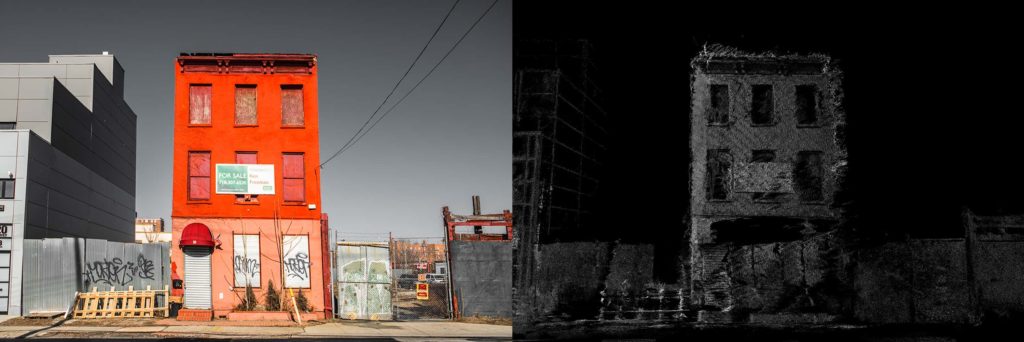
(SR) What is the next step for the project?
(M.F) This project will be part of our next exhibition in Canada and we want to come back to Red Hook as soon as possible to exhibit the work too. The artworks are still in production so people can always contact us through our website, to give us their ideas for buildings that should be preserved and documented—or just to share their stories.
For more about this project visit http://www.gagnon-forest.com // http://projekts.de-construkt.com/
Discover more from Red Hook Star-Revue
Subscribe to get the latest posts sent to your email.
One Comment
Pingback: Today's Links: New Signals But Same Old Delays At Bergen Street, A Ban on Texting While Walking & More - BKLYNER