Since the late 1950s, the Grammys have represented the summit of success in the music industry. Musicians all over the world have dreamed of holding a golden gramophone. The Grammy is considered one of the big four entertainment awards, alongside the Emmy (TV), the Oscar (film), and the Tony (theater). As a child in the early 2000s, I sat in front of the television eagerly awaiting those four words: “and the winner is…”
In 2018 the Recording Academy found itself accused of practicing racial and gender inequality. Yet unlike previous times, these recurring accusations would lead to the resignation of Recording Academy President Neil Portnow. Ironically, his stepping down in the summer of 2019 came after his ill-received comment about women needing to “step up” in the music business.
“Women who want to be at the highest levels in this industry need to step up, and we need to make sure the welcome mat is obvious for everyone,” he said.
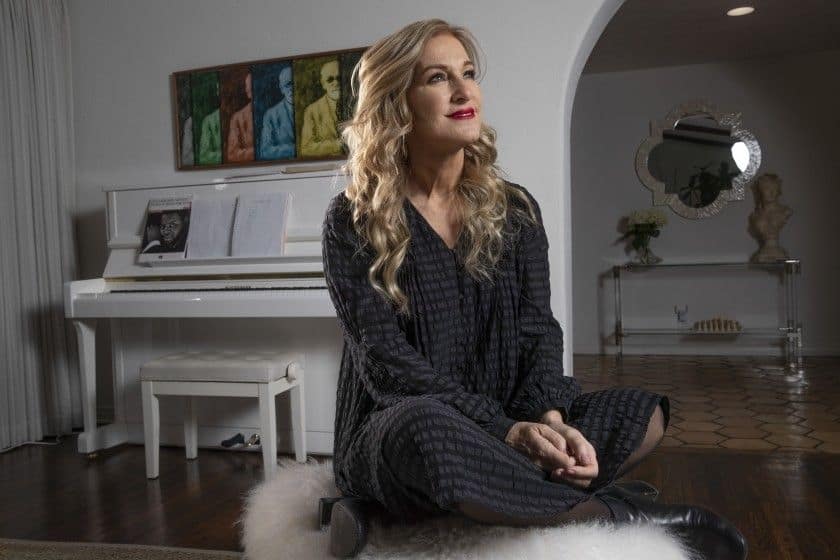
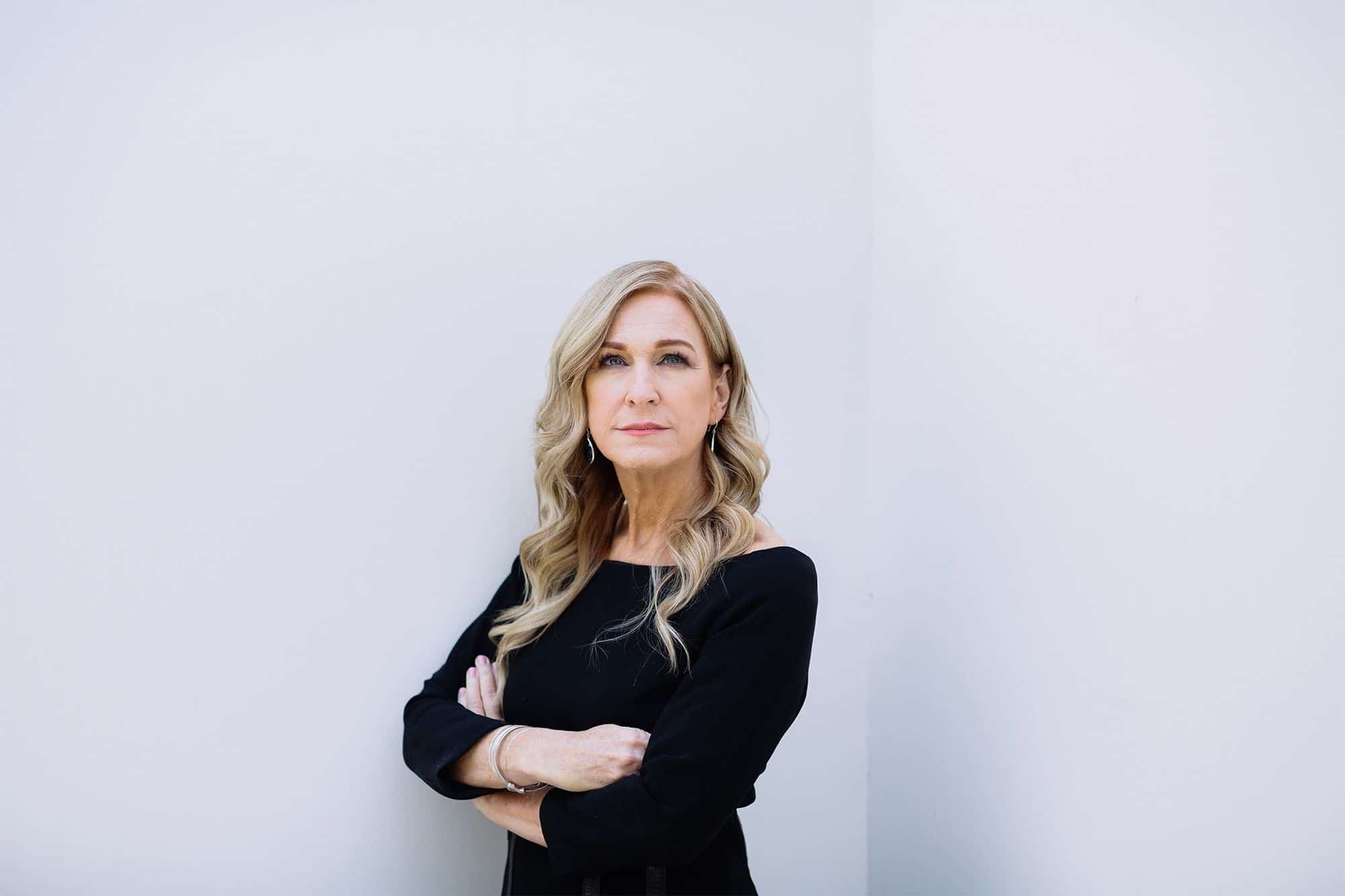
In August 2019, Deborah Dugan became the first female CEO of the Recording Academy. Less than a year later she would file a 40-plus-page complaint to the Equal Employment Opportunity Commission. Dugan called out the Recording Academy board members (and others) for misuse of power, sexism, racism and sexual harassment. As of January 16, 2020, she has been placed on administrative leave – quite the welcome mat.
Grammy awards are voted on by at least 13,000 members of the Recording Academy. The votes are tallied up by Deloitte, and winners of the biggest awards, like Album of the Year are broadcast live on TV. However, Dugan alleges that certain members of the board cherrypick Grammy nominees, bypassing official rules and processes. “It’s a boy’s club,” says Dugan. In the complaint, Deborah goes on to mention her brush with sexual harassment by Grammy lawyer Joel Katz. Dugan further discusses the longstanding issue of racial discrimination within the organization. Black artists are often thrown into R&B categories by default and shut out of the most sought-after awards.
“The issues are systemic,” Dugan observed.
Recording Academy members, of course, deny the allegations, accusing Dugan of creating a toxic work environment. Having a CEO, albeit short-tenured, slam the Grammys and the Recording Academy is particularly damning, but sadly, that’s the only unique feature in this situation.
Here are a few facts. The Grammys were created in a time where “Colored Music” was still music industry Jargon. Today, “Colored Music” has been effortlessly disguised as “Best Urban” anything. For almost a decade at least, more than 90 percent of winners in major categories have been men (2013 to 2020). Interestingly, women make up nearly half of all Best New Artist Grammy winners, yet less than 10 percent of women win in categories like the sought-after Album of the Year. Hip-hop, currently the most dominant genre in American music, has only been recognized by the Grammys since around 1990. Every year there is a firestorm of complaints and every following year, nothing happens – I am tired.
The Grammy awards, like other awards, have been losing viewership, and while they remain a career goal for many artists, their importance is waning. The reality is that many of our musical icons never received a Grammy in their lifetime: Bob Marley, Jimmy Hendrix, Tupac, and the list goes on.
For years I’ve watched award shows miscategorize black artists like Rihanna, placing them in R&B or “Urban” categories, even if their nominated work was sonically pop music. What is R&B about a song like Rihanna’s “Only Girl in the World”? Conversely, white artists like Justin Timberlake, or Justin Bieber are regularly placed in both “pop/mainstream” and “urban” categories for their sonically rhythm and blues albums and songs.
The message that is being sent is that black culture and music are an unrestricted playground for others to consume, but the inverse is not the case. Black culture is admired but not respected.
I can no longer put much stock into the Grammys. “And the winner is” doesn’t mean the same thing to me anymore.
Roderick Thomas is an NYC-based writer and filmmaker (Instagram: @Hippiebyaccident; email: [email protected]).
Author

Discover more from Red Hook Star-Revue
Subscribe to get the latest posts sent to your email.