
“Does anyone remember the counselor…?” began the post on my old summer camp’s social media page. I did not know the former camper who was asking, nor did I recognize the vague description of the young adult being accused of allegedly taking advantage, but I was spooked to realize that while I was playing dodgeball and enjoying free swim, someone else was being preyed upon.
Although I was shocked, I was not surprised. It’s become commonplace to find out an authority figure in the form of a teacher, coach, clergy member, or renowned pop star, anyone really, in a position of power or influence, engaging in sexual misconduct with minors.
Stories such as these invariably lead us to ask, Why? How? and a myriad of other queries that swirl in our boggled minds with regard to the victims and perpetrators alike.
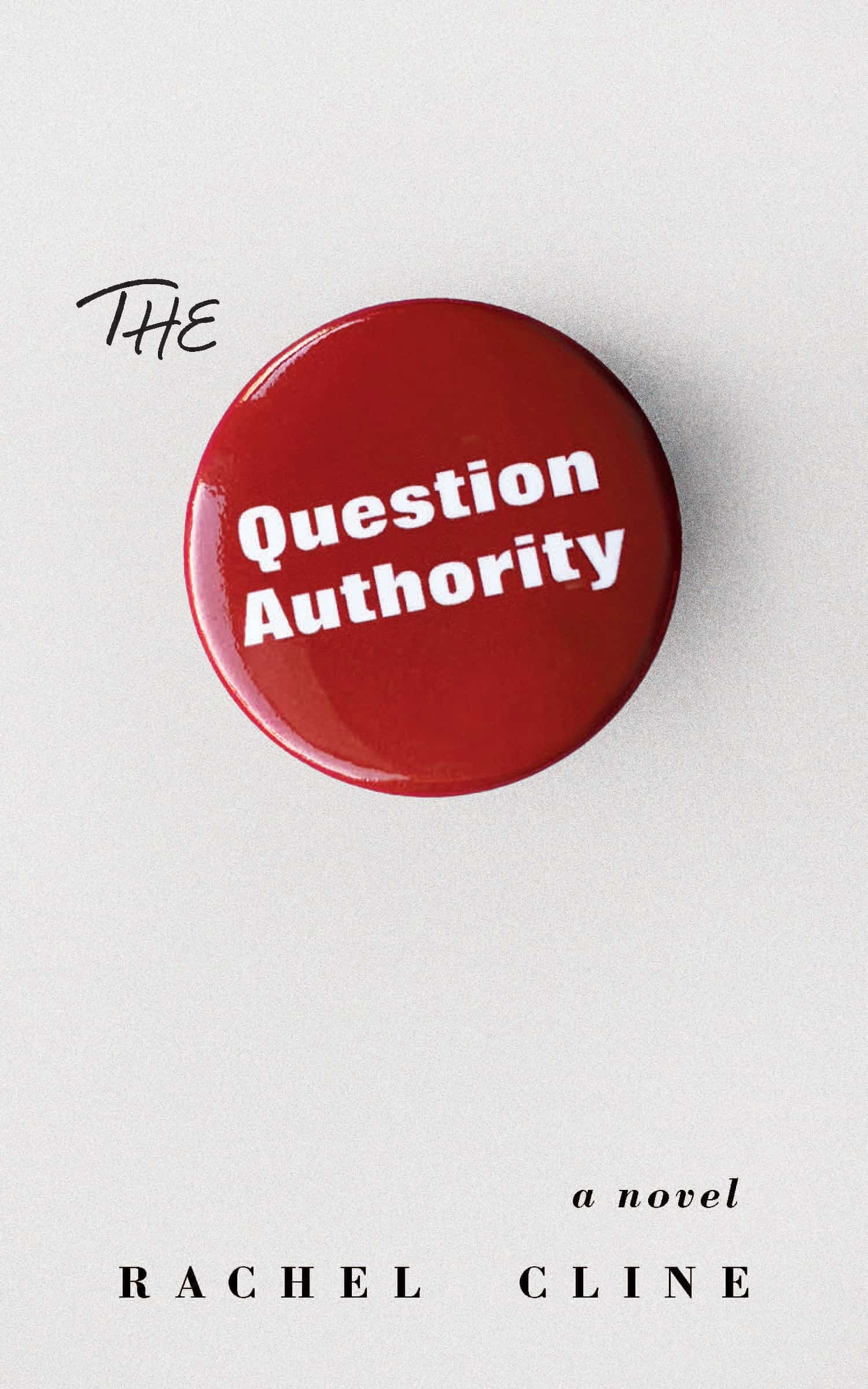
In The Question Authority by Rachel Cline, what drew me in was the prospect of getting some answers. Albeit a work of fiction, the novel is culled from true tales of abuse, specifically at the hands of educators. What kept me reading though was the writing. Cline has a beautiful way with words while describing such an ugly subject. Her performance is riveting.
Now in their 50s, Nora and Beth, who were best friends growing up in Brooklyn, are reunited when they end up on opposite sides of a pedophile case. Beth is defending a teacher accused of molesting a student. The two women remember all too well this kind of situation. However, they recall what happened quite differently. As the saying goes: There are three sides to every story—yours, mine, and the truth.
Nora feels empowered when she and other women with whom she attended the Academy reach out to each other to discuss calling Gloria Allred regarding what happened long ago between the eighth graders and their 26-year-old married teacher, Bob Rasmussen. (Even his last name has an evil villain sound to it.) His brownstone or “Bob’s-house-as-hangout” was where his 13-year-old students were invited to use his library as a resource room, and his water bed apparently for recess.
Beth, however, takes umbrage with her former BFF’s accusation that Beth was one of his victims. She was in love and, even though barely a teenager, knew what she was doing. For reasons you need to read to believe, Beth still supports the relationship. She also thinks it’s time to knock Nora off her high horse, where she prides herself on never having let Rasmussen get her, implying she was too smart to “become a member of his cult.” This claim, although true, isn’t exactly accurate and is proven when Beth presents Nora with evidence of such.
And where is Rasmussen in all this? He’s an old man now. Oh, and he hates himself. (I’ll certainly sleep better knowing that.) Upon looking back, though, he rejects the term “pedophile” because it connotes “an old guy who bribes little girls with candy.” He much prefers the more formidable “pervert,” which he equates with being “an outlaw, a badass.”
He rationalizes that he never forced anyone. He was nothing but nice and helpful; made the girls feel special; really listened to them and told them they were beautiful. And since when did a gentle hand on a shoulder or up someone’s shirt do any harm? When the girls climbed onto his rolling sea of a bed, they were showing their appreciation. The one-time educator also views himself as a bit of a knight in shining armor, one who rescued his wife, Naomi, in particular, from an abusive household when she was fifteen. She too was a victim but legitimized by marriage.
Her whereabouts while this harem of grammar school girls was on the second floor of her home making use of the resources? Why, she was downstairs “doing macramé or tie-dye or baking cookies.” So convinced of the narrative drummed into her by Bob that he’d saved her, Naomi spent her marriage turning a blind eye to the fact that her shaggy, hippie husband was a criminal.
The ending of the book does not bring the satisfaction one would hope—you know, where Rasmussen is carted off to prison, then found dead post-shanking. It is, however, realistic and dare I say hopeful.
The lesson learned from The Question Authority is more than not to immediately trust someone simply because they’re on a lofty perch, but to speak up when said person crosses a line. The longer one waits, the less of a chance the abuser has of paying for the abuse.
Lorraine Duffy Merkl is the author of the novels “Fat Chick” and “Back to Work She Goes.”
Discover more from Red Hook Star-Revue
Subscribe to get the latest posts sent to your email.