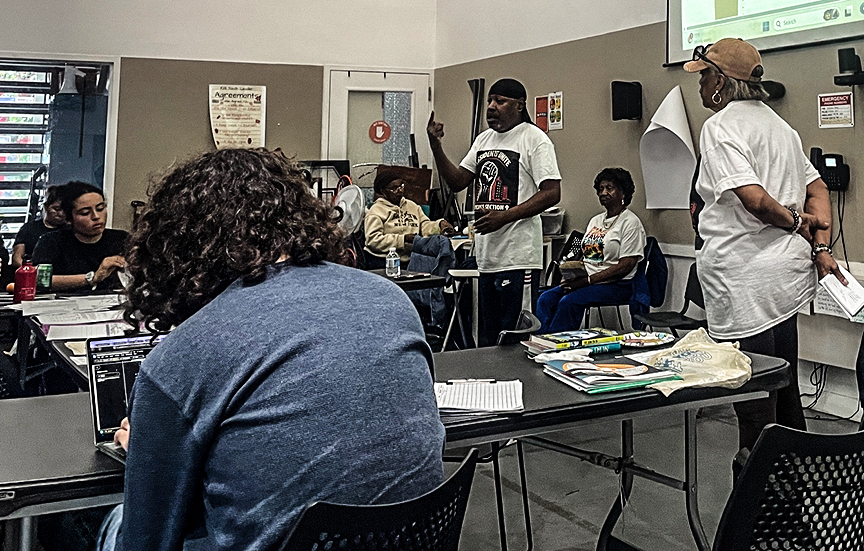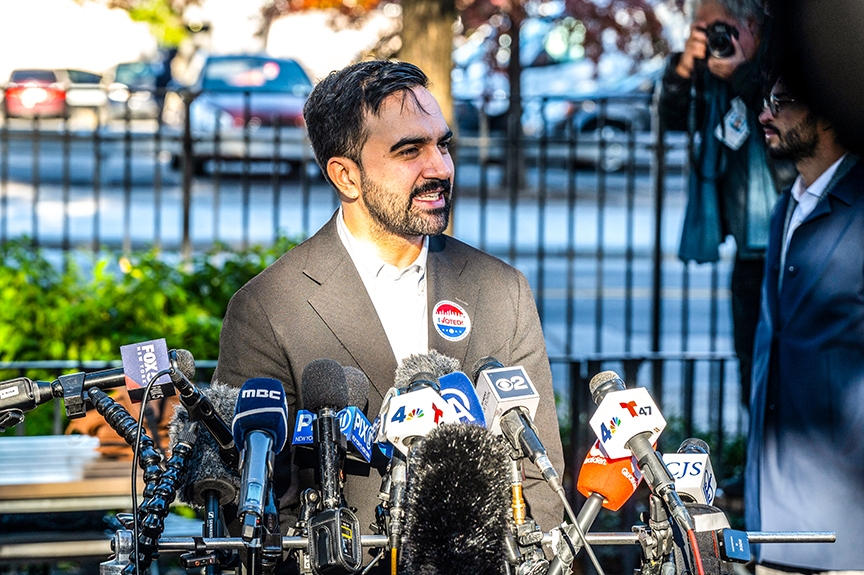
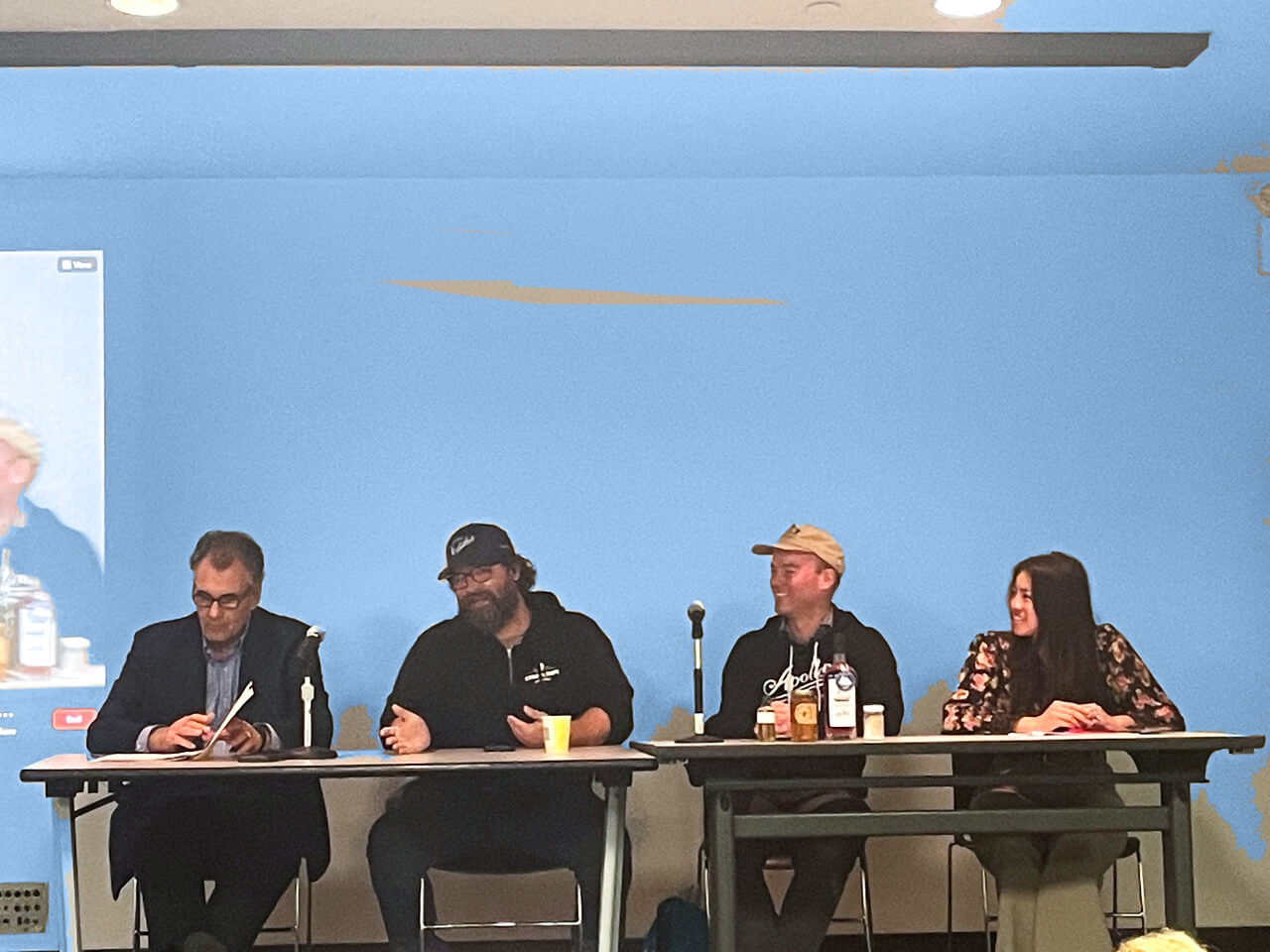
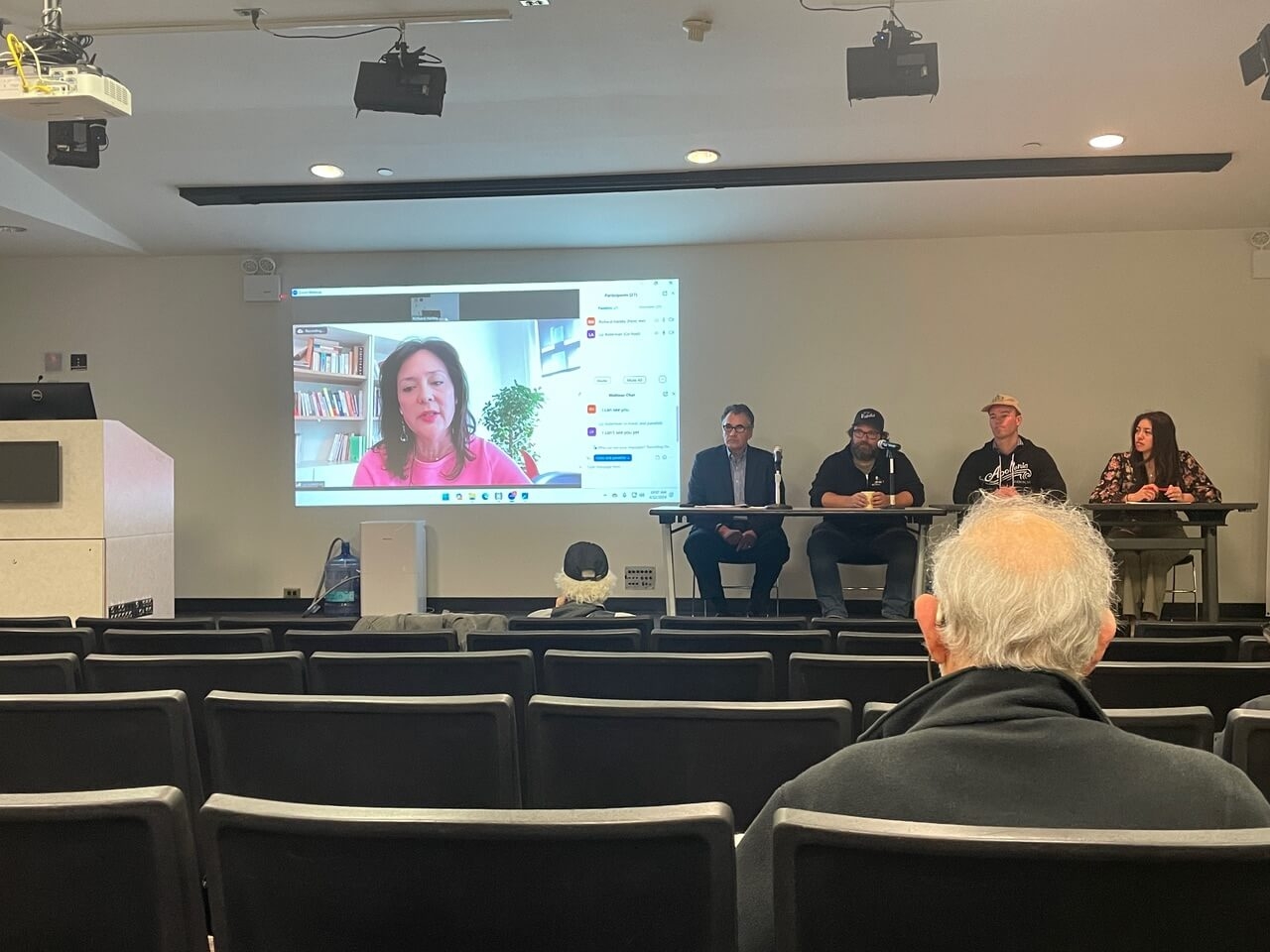
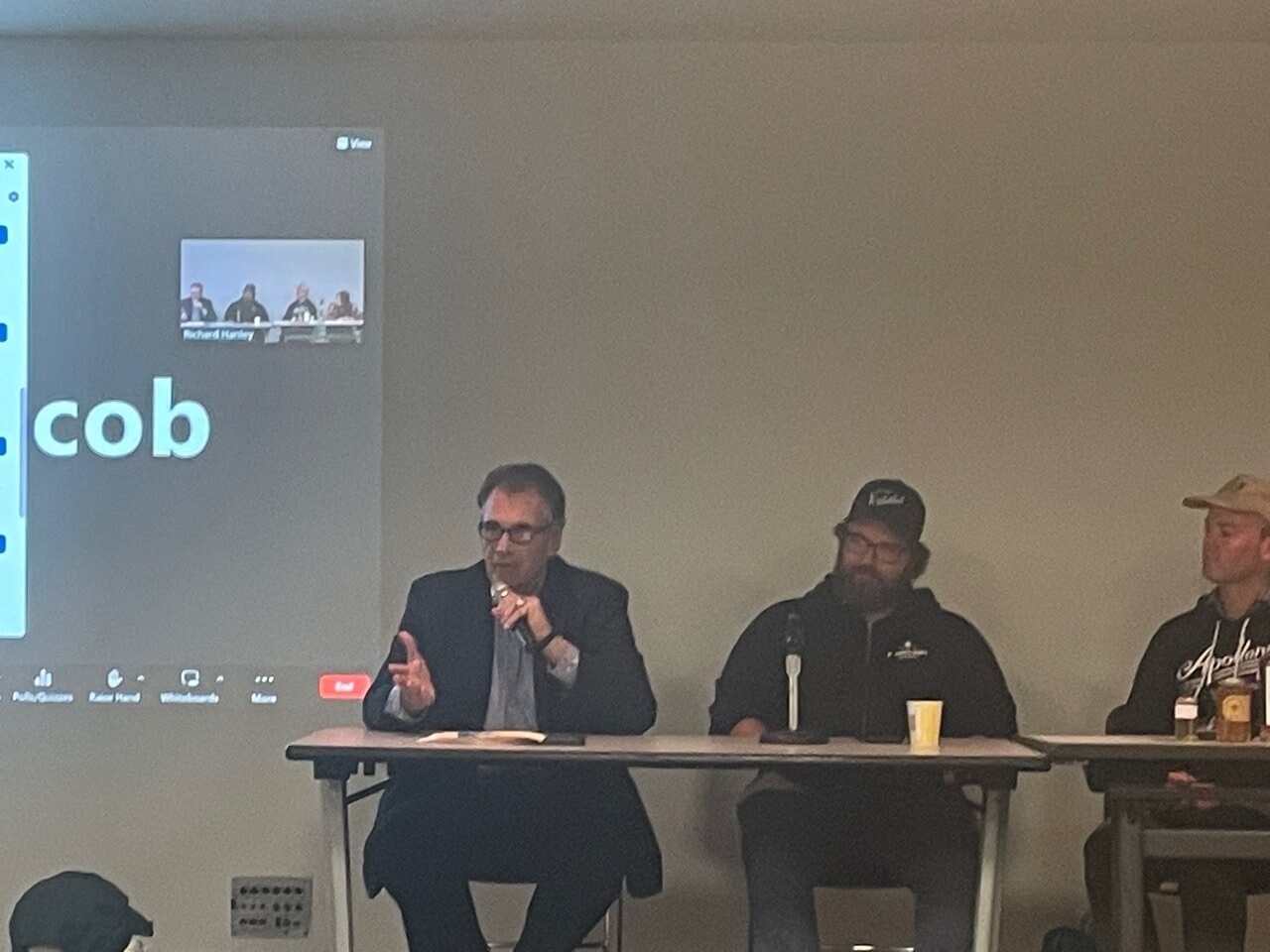
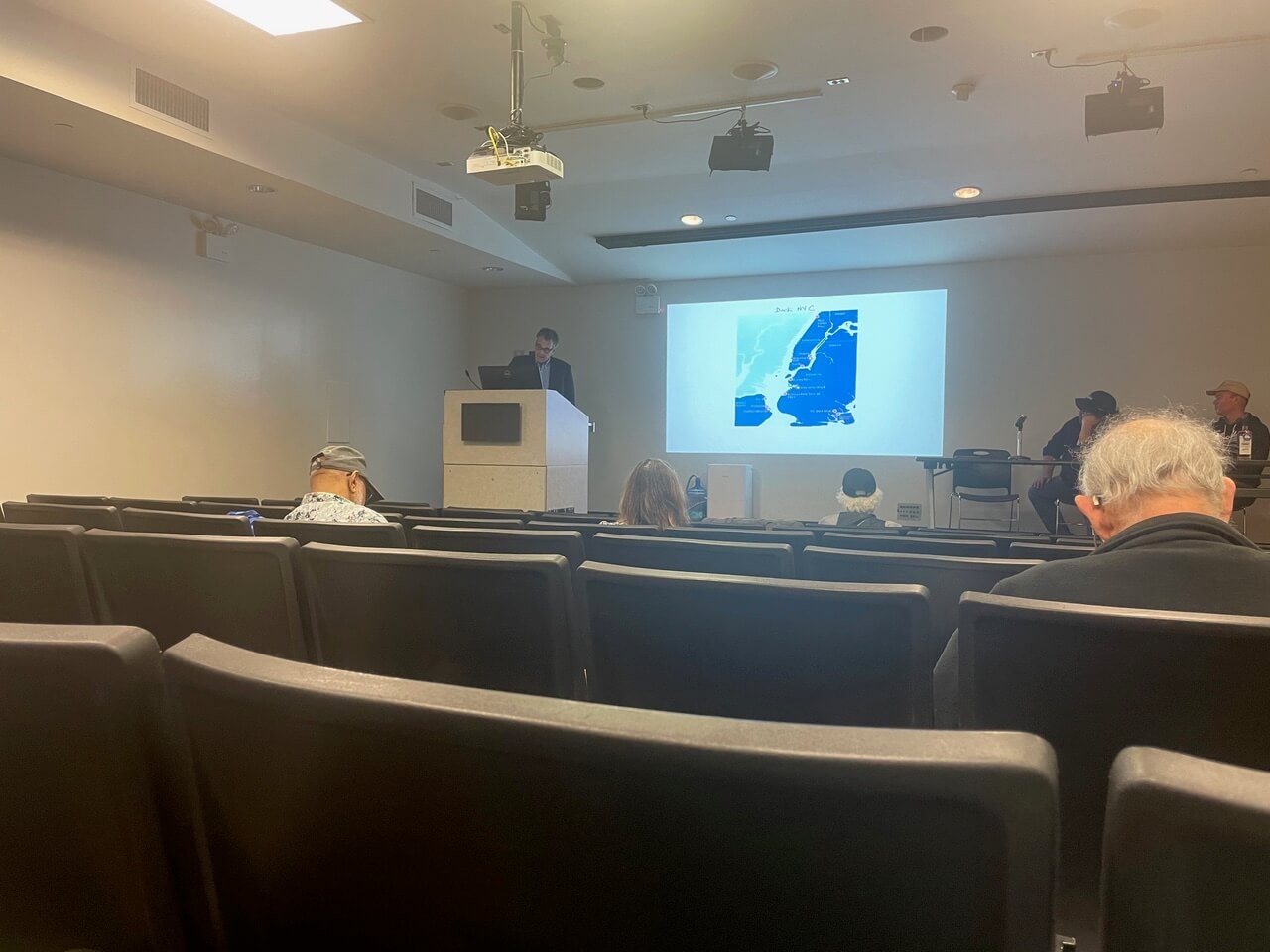
“Freight by Water? Why Not?” was a talk given last month at NYC Technical College, hosted by a group called the Brooklyn Waterfront Research Center.
The talk featured five speakers including Jim Tampakis of Red Hook’s Tamco Mechanical, who for years has pushed for better use of our waterfront. Other speakers at the event included NY Times writer Liz Alderman, Ilana Mayid-Dennis, President of US Coastal Service, Brad Vogel, supercargo of the Schooner Apollonia and former Gowanus Dredger, and Jason Sahler, owner of Red Hook’s Strong Rope Brewery.
Alderman recently wrote about how freight is being transported via barge along the Paris’ Seine River. The French government has given much financial support for this.
Tampakis compared the Sanitation Department’s use of barges transport waste from their Hamilton Avenue facility with the lack of interested that Red Hook’s last mile warehouses have shown to do the same, depending on trucks instead.
“Amazon and RXR have told me that isn’t how we do things,’” Tampakis said. “Everybody is afraid to use the water but maybe it’s time to change that. We have 525 miles of waterfront and we should be using it.”
“Right now, Crowley Maritime, a big marine company, has completely switched to electric tug-boats. We can use those to bring in freight and to 280 Richards Street, one of the Amazon warehouses. Right now there are 28 loading docks. It’s not enough. We need a lot more but it’s enough to get started.”
Tampakis said that the estimated cost per two cranes of unloading the freight to put it in Red Hook over 20 years (including the cost of tug boats, labor, site work, unloading) would be $304 per 40-foot container.
“Today, the trucks that are coming over the Goethals Bridge and Verrazano Bridge cost about a couple of hundred dollars in tolls alone,” Tampakis said. “And then there are hundreds more dollars in labor, maintenance on the trucks etc. We’d be totally clean using the barges; we’d get rid of the truck traffic and there’s no wear and tear on the highways. It would be a win-win situation.”
Mayid-Dennis explained that USCS is working towards many of the same things Tampakis has called for in Red Hook. She also said that she had spoken with both Tampakis and Vogel before so they were already familiar with each other’s work.
USCS’ goals include “reducing the number of road miles from origin to delivery, maximizing the volume of freight moved at reduced greenhouse gas emissions, and that shifting freight from road to water is one of the best and least expensive ways to decarbonize the freight sector.”
“Since 2023, we’ve been working on developing a network of marine freight terminals and how to connect them with electrified marine vessels,” Mayid-Dennis said.
Old-school is new school
The next speaker was Vogel who explained that a supercargo is “an officer on a ship in charge of the commercial concerns of the voyage.” He is the supercargo for a 64-foot steel-hulled sail freight vessel built in Baltimore. It is called the Schooner Apollonia and it is capable of carrying 20,000 pounds of cargo.
“I want to push back on a comment earlier that this is an ancient and old-fashioned way of moving goods,” Vogel said. “I think that is part of the problem. Instead of calling it old-fashioned, I would like to call it proven and obvious.
“We use the wind to move goods and we take it a step further and use our engine less than five percent of the time. We rely on the wind, the tide, and the currents to move our goods.”
Some of the goods the Schooner Apollonia transports go into Red Hook’s Strong Rope Brewery.
“We’re transporting roughly 60,000 pounds of malt annually and that’s about 20 or so trips on trucks,” Sahler said. “With the schooner, it’s only about four trips per year.”
“The Borough President voiced support for getting freight delivered through the city by water,” Tampakis said. “We do have issues though. Six or seven years ago when parks were being rebuilt in Red Hook, I went to the Parks Commissioner and said ‘ballfield 9 has a bulkhead. You have to bring in dirt to elevate all of these facilities so why not bring in the dirt on three or four barges as opposed to 2,000 tractor-trailers’ They said ‘We’re not used to doing that and we’d have to work with engineers,’ and they decided to bring in the dirt with tractor-trailers.’
We’ve got to change that mentality.”
Author

Discover more from Red Hook Star-Revue
Subscribe to get the latest posts sent to your email.