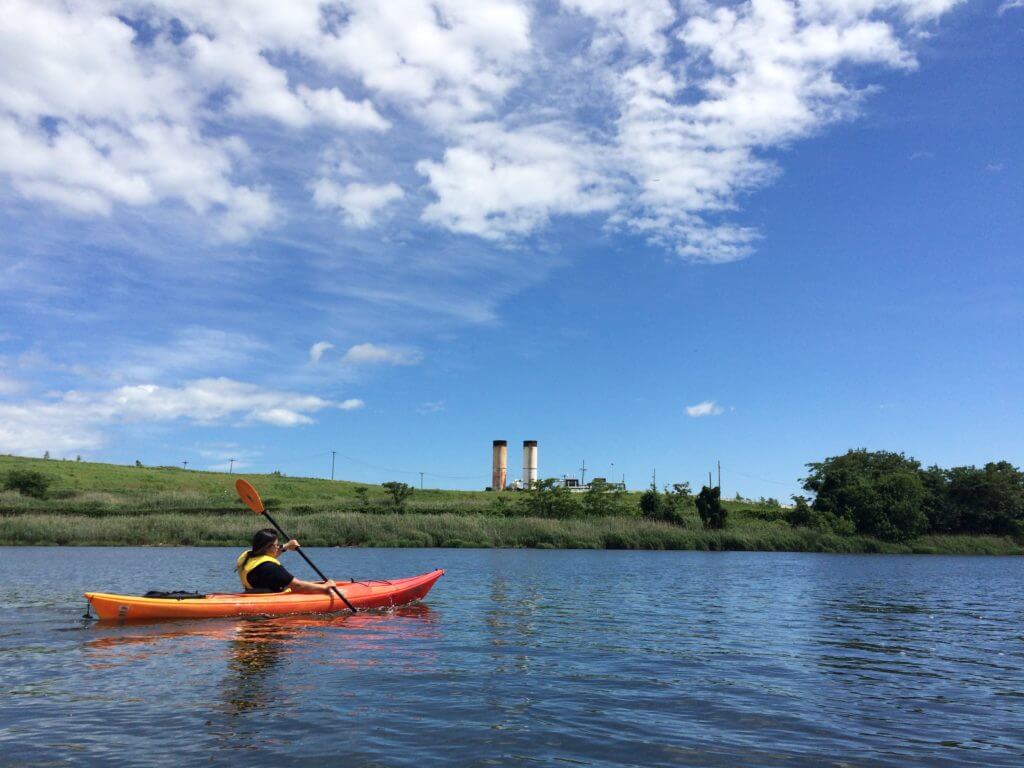
The grasslands, hills, and prairies of Staten Island’s Freshkills Park project seems like something out of The Sound of Music, or a Midwestern nature landscape. While New York City may not be synonymous with nature, this lesser-known development could put a dent in that perception. Freshkills is developing into the largest park in New York City, even bigger than Central Park.
During the early 1900s, Staten Island’s Freshkills was a lush habitat of wetlands and swamplands. At the time, however, the value of wetlands was not truly understood. In the 1940s, the wetlands became prime real-estate for an initial 3-year residential and industrial development project, spearheaded by New York public official, Robert Moses.
Moses’ Fresh Kills development project never found success. As New York City’s population grew and city landfills gradually closed, Freshkills found its wetlands transformed into the largest landfill in the world by the mid-1950s and the only landfill in the 5 boroughs by 1991.
For many years, Freshkills’ landfill odors and wind-blown garbage were both eye-and-nose-sores. In 1996, legislation was passed to finally close the landfill, much to the satisfaction of Staten Island residents.
Today, Freshkills is being developed into the largest park in the city, designed by NYC’s High Line designer, James Corner Field Operations. In an interview with The Star Revue, Park Manager Laura Truettner explains the value of wetlands and how the world’s largest landfill is becoming the largest park in NYC.
RHSR: Laura, what do we know now about these wetlands that we didn’t previously?
Laura: Wetlands are important for controlling stormwater flow and filtering stormwater. During Superstorm Sandy, Freshkills experienced less damage because of the wetlands. They act as a buffer, especially if you have them on the coast.
RHSR: How is the environment changing with the park’s development?
Laura: We’ve been able to rehabilitate and transform an ecosystem. Birds and other wildlife are returning to Freshkills that haven’t been seen in decades – Grasshopper Sparrows, Sedge Wrens, etc. This idea that we can transform damaged land is a significant finding that can be applied to so many areas.
RHSR: How big is the park exactly?
Laura: The park is 2,200 acres, about 3 times the size of Central Park, and the largest park to be built in New York City in the last century. It’s hard to understand the expansiveness of it until you’re standing on one of the mounds.
RHSR: How do you change the world’s largest pile of trash back to a valuable ‘natural’ ecosystem?
Laura: [Laughs] We work very closely with sanitation to close the landfill. So we have decades of knowledge behind us. It takes 7 layers of soil and geotextile fabrics on top of the garbage to create stability and the shape of the mounds.
Truettner explained that closing a landfill isn’t just covering garbage with soil. Geotextile fabrics, extraction wells, underground pipes, impermeable layers are all utilized to help create a habitable, thriving ecosystem. One of the by-products of landfilling is landfill gas. Gases from Freshkills are extracted, cleaned and used in Staten Island homes. According to Truettner, at its peak, Freshkills gas heated more than twenty thousand Staten Island homes.
RHSR: What are some of the long term goals for the park?
Laura: Our major goal is to continue building out park projects. We want to create regional and international green space for this generation and future generations to come.
RHSR: How do park administrators see the completion of Freshkills as it relates to sustainability?
Laura: Freshkills is such a significant platform for research and education on sustainability. We are learning a lot about how mother nature can rebuild itself on damaged land.
The completion and opening of Freshkills Park will occur in phases. Currently, there are 3 parks opened on the outside of the Freshkills boundary, the first of which opened in 2012.
Schmul Park, a neighborhood playground, Owl Hollow soccer field, and New Springfield Greenway, a pedestrian-bike parkway are all open to the public.
RHSR: What phase are you in now?
Laura: We’re in construction on the first interior project, North Park phase 1. This phase sits on twenty-two acres, with a parking area and a pedestrian-bike park area that leads to a wetland overlook and a bird tower. We’re looking to open North Park phase 1 in 2021, from there we’ll begin working on the South Park project.
RHSR: What are some cool features of the park you’d like us to know about?
Laura: I love this question. I think the infrastructure. There are these two big towers juxtaposed to the scenery of grassy slopes. When we take people to the grasslands, they can’t believe they are in New York City.
RHSR: Now, this park is huge. How is the park managing accessibility?
Laura: Staten Island has limited public transportation options, so we’ve discussed many ways to help get folks to the park. We’ve rented buses for attendees for some of our events. We’ve even considered the park being a stop via the ferry.
RHSR: What are some of your favorite places in the park so far?
Laura: I’d say, on top of North Mound. It has an incredible view of lower Manhattan and New Jersey. I’d also say Main Creek, where we go kayaking.
The implications for future tourism, artists, entertainment education, and NYC residents are certainly promising. In the near future, Freshkills Park will likely garner the same attention as Central Park, and certainly be a testament to sustainability.
The pace of the park build-out is dependent on funding. Laura Truettner explains that funding for Freshkills will dwindle once the South Park project is completed, with the pandemic also affecting funding. More specifically, permitting, federal, state and city funding all affect the flexible 2036 completion date.
Laura: The park is 2,200 acres, it’s about 3 times the size of Central Park, and the largest park to be built in New York City in the last century. It’s hard to understand the expansiveness of it until you’re standing on one of the mounds.
RHSR: How do you change the world’s largest pile of trash back to a valuable ‘natural’ ecosystem?
Laura: [Laughs] We work very closely with sanitation to close the landfill. So we have decades of knowledge behind us. It takes 7 layers of soil and geotextile fabrics on top of the garbage to create stability and the shape of the mounds.
Truettner explained that closing a landfill isn’t just covering garbage with soil. Geotextile fabrics, extraction wells, underground pipes, impermeable layers are all utilized to help create a habitable, thriving ecosystem. One of the by-products of landfilling is landfill gas. Gases from Freshkills are extracted, cleaned and used in Staten Island homes. According to Truettner, at its peak, Freshkills gas heated more than twenty thousand Staten Island homes.
RHSR: What are some of the long term goals for the park?
Laura: Our major goal is to continue building out park projects. We want to create regional and international green space for this generation and future generations to come.
RHSR: How do park administrators and managers see the completion of Freshkills as it relates to sustainability?
Laura: Freshkills is such a significant platform for research and education on sustainability. We are learning a lot about how mother nature can rebuild itself on damaged land.
The completion and opening of Freshkills Park will occur in phases. Currently, there are 3 parks opened on the outside of the Freshkills boundary, the first of which opened in 2012.
Schmul Park, a neighborhood playground, Owl Hollow soccer field, and New Springfield Greenway, a pedestrian-bike parkway are all open to the public.
RHSR: What phase are you in now?
Laura: We’re in construction on the first interior project, North Park phase 1. This phase sits on twenty-two acres, with a parking area and a pedestrian-bike park area that leads to a wetland overlook and a bird tower. We’re looking to open North Park phase 1 in 2021, from there we’ll begin working on the South Park project.
RHSR: What are some cool features of the park you’d like us to know about?
Laura: I love this question. I think the infrastructure. There are these two big towers juxtaposed to the scenery of grassy slopes. When we take people to the grasslands, they can’t believe they are in New York City.
The pace of the park build-out is dependent on funding. Laura Truettner reveals that funding for Freshkills will dwindle once the South Park project is completed, with the pandemic also affecting funding. More specifically, permitting, federal, state and city funding all affect the flexible 2036 completion date.
RHSR: What are some of your favorite places in the park so far?
Laura: I’d say, on top of North Mound. It has an incredible view of lower Manhattan and New Jersey. I’d also say Main Creek, where we go kayaking.
The implications for future tourism, artists, entertainment education, and NYC residents are certainly promising. In the near future, Freshkills Park will likely garner the same attention as Central Park, and certainly be a testament to sustainability.
RHSR: Laura, Thank you for your time.
Laura: Thank you, come visit the park.
(Instagram: @Hippiebyaccident, Email: [email protected], Site: roderickthomas.net)
Author

Discover more from Red Hook Star-Revue
Subscribe to get the latest posts sent to your email.