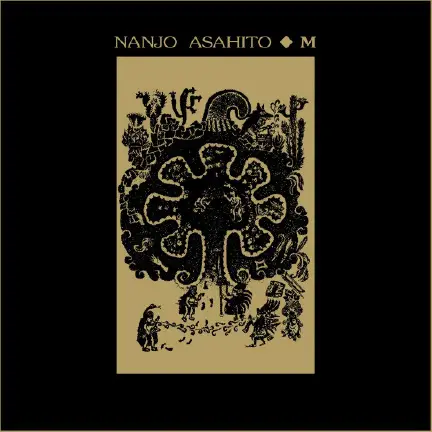

A Wolfe in Eno clothing. In 1996, Brian Eno published his 1995 diary under the title A Year With Swollen Appendieces. (A seond edition came out in 2021 with a new preface.) It was a revealing look at the producer/composer’s psyche and methodology, in more ways than he might have intended. It showed him, unsurprisingly, as an energetic and imaginative thinker and maker of things. It also showed him as a public figure enamored with celebrity (his own and others’) who is often in need of an editor.

Eno’s contributions to bringing artistic sophistication to pop music are legend, from the first two Roxy Music albums to his run of solo albums from 1974 to 1977 to his work with David Bowie and the burgeoning new wave and no wave scenes in New York, not to mention his pionering of electronic ambient music. But the main thing his diary reveals is how fascinating he seems to think his every thought and action are. A result of that lack of restraint has been a musical output difficult to keep up with and not always rewarrding; many fans fell off the Eno bandwagon when he started producing U2 and Coldplay. The problem wasn’t one of lack of good work so much as it was an issue of wheat vs. chaff.

Last month, a pair of albums Eno made with singer/songwriter/visual artist and fellow Brit Beatie Wolfe came out that are likely to win back the hearts of his disenfranchised, at least for a little while. Luminal is a set of songs, Lateral a collection of ambient constructions both ringing and echoing with classic Eno. (They’re available as CD, LP and download from Verve.) The albums were constructed in tandem with road-tested Eno methodologies: use what’s on hand (tools, toys, out-of-tune instruments, etc.); follow the instructions of strategy cards blindly selected from his tailored deck; trust instincts and, maybe even more so, mistakes. Luminal falls in easily with his ambient albums of the ’70s, while Lateral gives him the chance, once again, to frame and layer a rich singing voice.
Wolfe’s songs are simple and refelctive, recalling at time early ’60s pop and country ballads. The production to which they’re treated is lush and will be familiar to Enophiles: layers of repeating phrases supporting the melodies and simple backing vocals low in the mix, all augmented by tasteful reverb and delay, and occassional bird and insect sounds. Both albums are simply gorgeous, but to call them a dual return to form would be hasty at best. The restless and less than selfless Eno is certain to wander again, and to unwaiveringly document those wanderings. But they still show that his creative soul and his generosity as a collaborator are still in there somewhere.
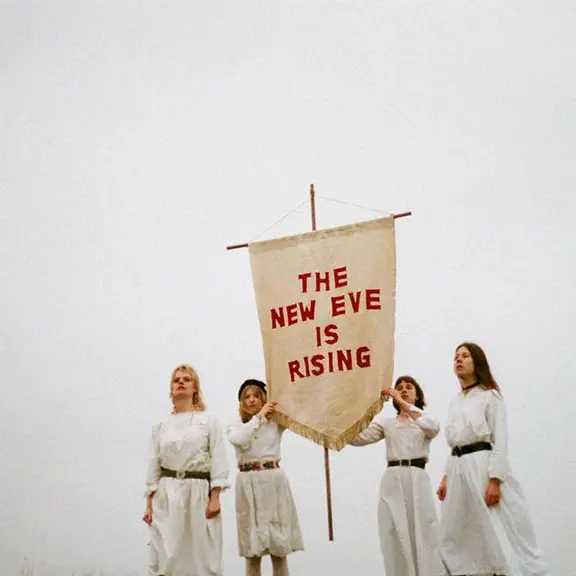
The Dawn of a New Eve. The first song on the debut album by the New Eves is a proclamation, a setting of terms, a statement of intent. It’s not exclusionary; it doesn’t rule men out of what’s to come, but it does lay their interests bare.
“The New Eve is curious and free,” goes the declaration. “She eats what she wants to eat every fruit from every tree she devours guiltlessly.” It proceeds boldly, bodily, unapologetically. “The New Eve is of earth / Granite, ochre, magma, dirt / All the bones in her body are holy / All the stones in her pockets are homely.”
That opening credo is also a staking of instrumental ground, begining with sustained violin and cello tones but soon overtaken by snarling electric guitar. The band members all sing and play multiple instruments—there’s also occasional flute, piano and melodica augmenting the typical two-guitar, bass, drums arrangment.
The Brighton foursome comes like a feral offspring of much revered first-gen punks the Slits but even more so of the Raincoats (of which early Slits drummer and songwriter Palmolive was a member), leaning more heavily into UK folk traditions at times but even then, at least a bit ragged and raw. They also call to mind the stridency of Savages, another strong, feminine British band (who sadly fell silent after two records in the 20-teens). The Eves’ 2023 single “Original Sin” (two tracks not included on the new album) even shows shades of mother superior Patti Smith.
All that name-dropping is no lazy accident. The New Eve is Rising (CD, LP, download out Aug. 1 on Transgressive Records) is an exciting album, holding the same promise of those other bands who didn’t question gender expectations so much as ignore them and trod over them. Getting out of their way would be wise, getting in line behind them even better.
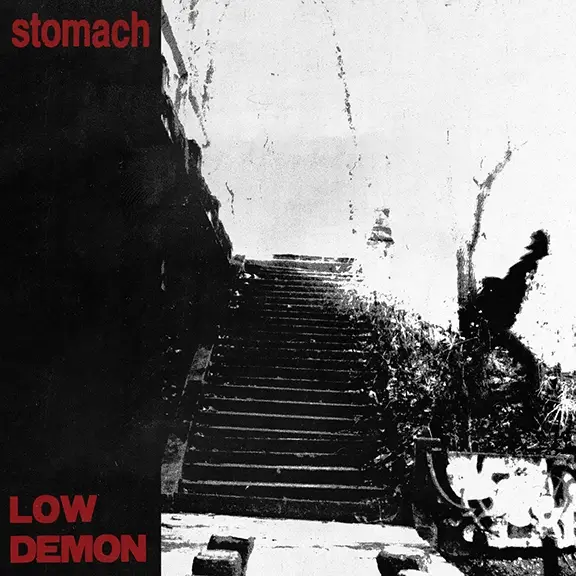
No relation to Belly. From Chicago’s western suburbs comes the grumble of Stomach, who with two demo tapes and one previous album under their belt have no doubt heard all the jokes about their name. Low Demon (LP and download out July 18 from Hibernation Release) hits deep in the pit of your, OK, I’ll stop, but it’s a magnificently monolithic piece of power trio sludge, five pounding tracks which only occasionally get anywhere close to midtempo, flirt with thrash a bit, but never stay there long—even steady counts aren’t a constant. There’s a lot of doom around these dismal days. Low Demon stands out for its attention to detail. The production is clean and present: even when the bass and guitar are distorted, they’re distinct. They even manage to drop in some little details in post without letting themselves get carried away. Recommended blackness. Rumors of a tour with Maalox were unconfirmed as of press time.
Author

Discover more from Red Hook Star-Revue
Subscribe to get the latest posts sent to your email.