News from the neighborhood.
Red Hook & Gowanus
Subscribe to get the Star-Revue’s newsletters throughout the month.
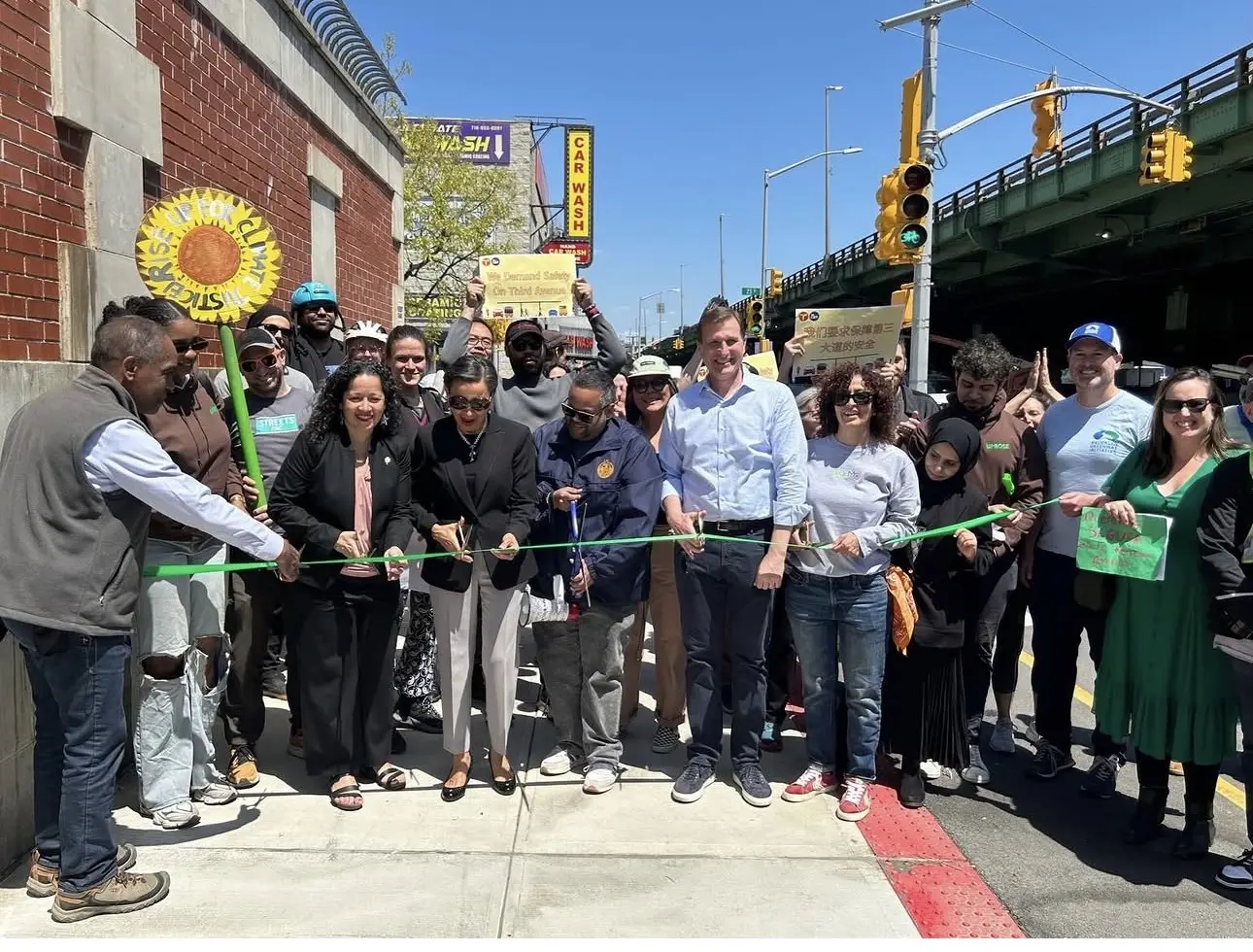
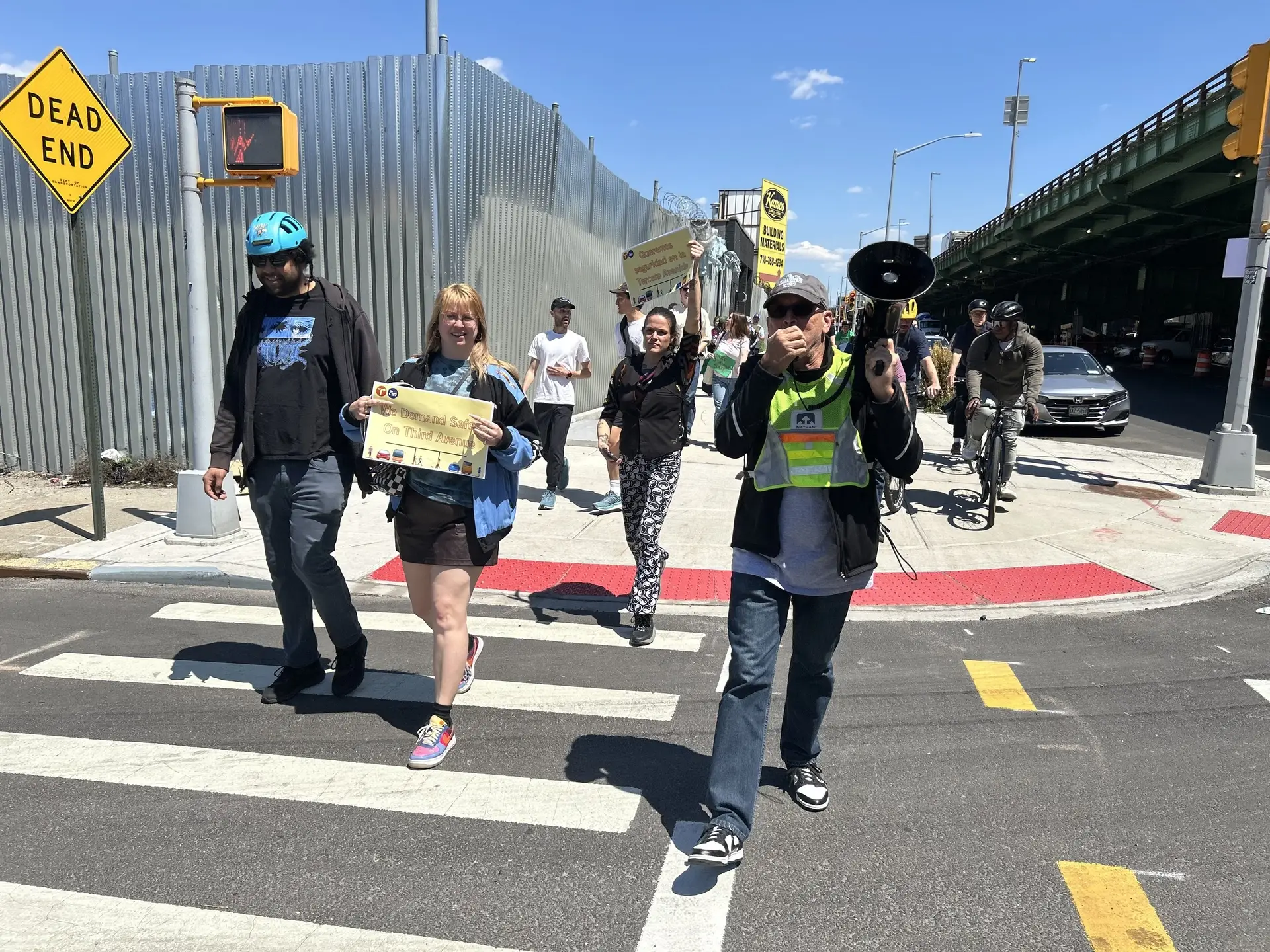
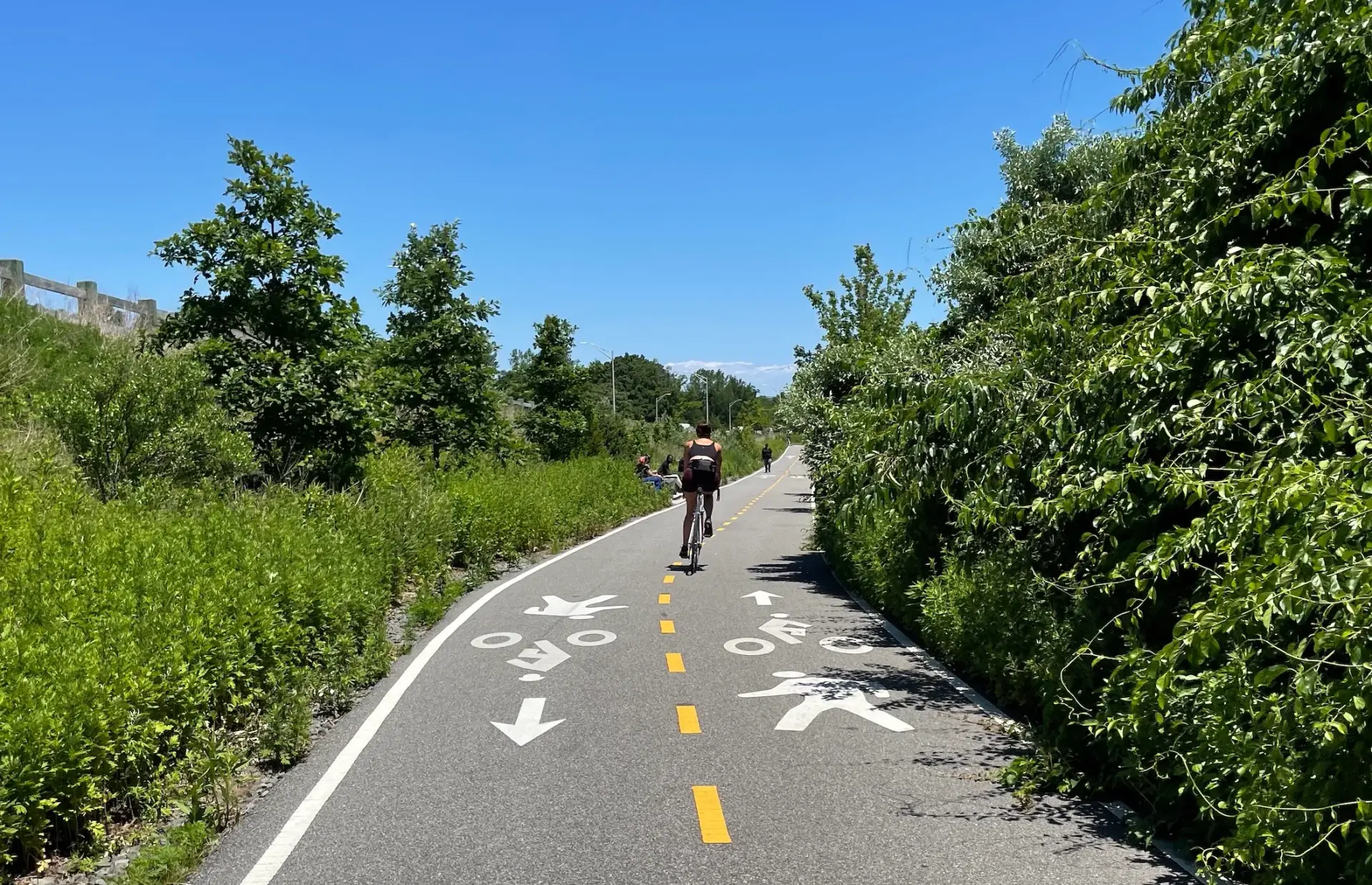
The newest stretch of the Brooklyn Waterfront Greenway, which opened to cyclists in early May, is just over a mile long. It takes six minutes to bike, end to end.
But this short segment marks a significant victory for Brooklyn’s active transportation advocates. It bridges Red Hook and Sunset Park by bike path for the first time, and breaks up the longest gap in the greenway’s 29-mile route from Newtown Creek to Shirley Chisholm Park.
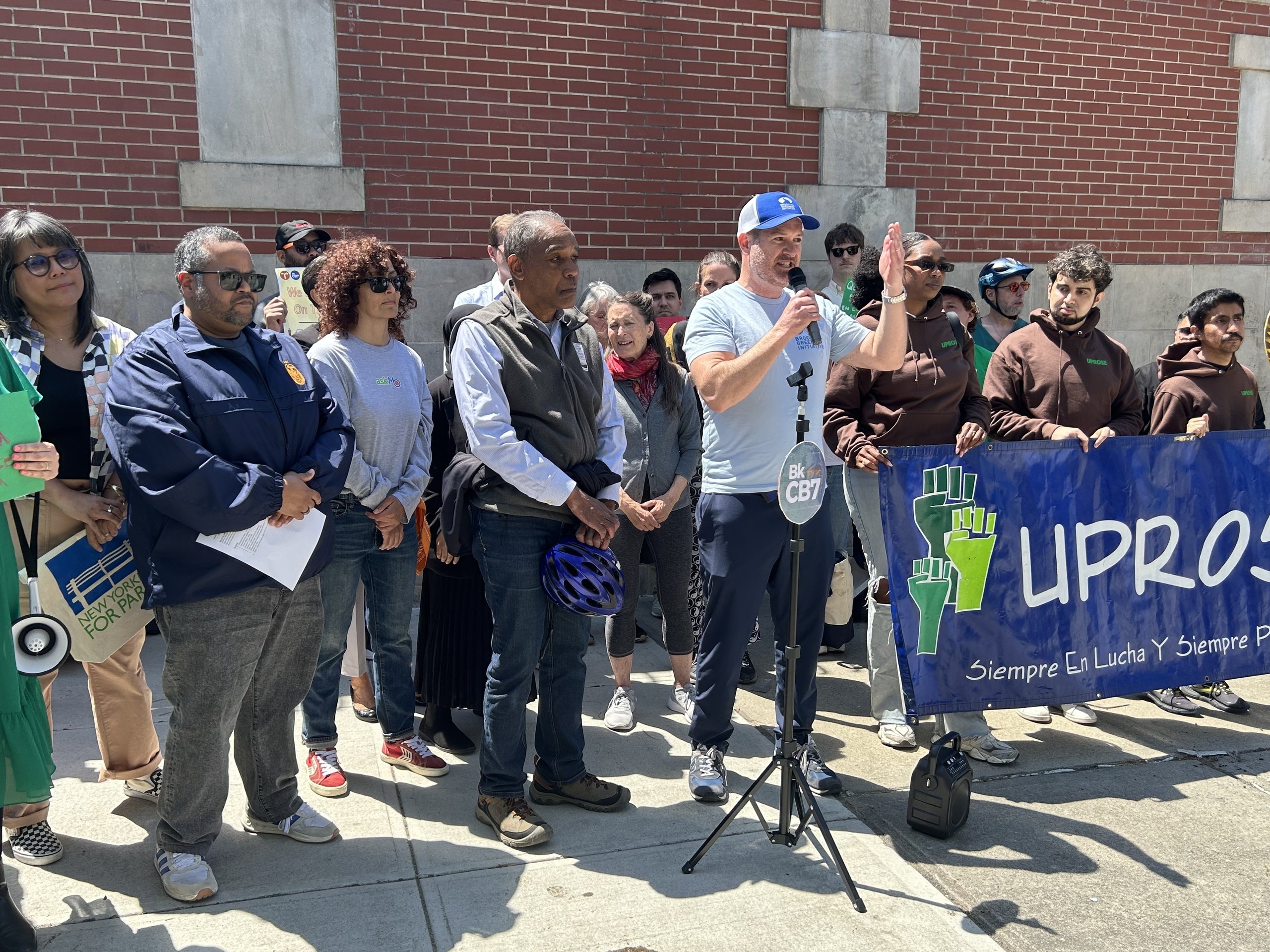
“This is an important connection between two waterfront communities that have never had a safe connection to one another via a greenway, and have been really cut off from their waterfronts through industry and other development,” said Hunter Armstrong, executive director of the Brooklyn Greenway Initiative (BGI).
This mile-long bike path was 14 years in the making. It was laid out in the NYC Department of Transportation’s 2012 Brooklyn Waterfront Greenway Implementation Plan, which sought to connect Brooklyn’s western waterfront to the bike path hugging its southern shore along the Belt Parkway. BGI played a major role in creating that plan and now, over a decade later, continues to hold the city accountable for delivering on it.
“Our vision is for a continuous, thick ribbon of green for people on bikes and people on foot along the entire length of the Brooklyn waterfront,” Armstrong said.
Looking ahead
The next section to be completed will jump from Third Avenue to Second Avenue at 29th Street, and head south to 39th Street. The NYC Department of Design and Construction (DDC) expects this to be completed in summer 2027, but that still leaves nearly 20 blocks to 58th Street, where the current greenway funnels cyclists onto the Belt Parkway near Owl’s Head Park. DDC is leading a capital project study to determine if this final planned stretch should follow First or Second Avenue south of 39th Street.
DOT has started work on a new stretch of greenway that follows Red Hook’s waterfront, but it won’t directly connect to the current segment’s terminus at Smith Street, according to a spokesperson. This means the greenway in Red Hook and Sunset Park will continue to exist in fragments for the next few years. And progress on new segments could be slow—it’s taken the city 22 years to complete 12 miles of the greenway, Armstrong notes. He blames bureaucracy.
“A single greenway segment might cross jurisdictions multiple times,” Armstrong explained in a recent op-ed in New York Daily News. “That means a simple maintenance gap on a bike path could fall into a gray zone between Parks and DOT, where it doesn’t get fixed because neither agency is sure whose job it is.”
To put an end to this game of bureaucratic hot potato, New York City Greenways Coalition, which Armstrong co-chairs, is pushing Mayor Zohran Mamdani to create a greenway task force led by a deputy mayor.
“I don’t think it should be that hard to actually build this infrastructure,” Armstrong said. “I think when infrastructure is a priority, it can move more quickly.”
For Armstrong, the case for prioritizing greenways is simple: they benefit everyone.
“Brooklyn’s a large place; sometimes it can be a little hard to navigate,” he said. “A greenway can, when designed well, create a well-marked path to connect you to green spaces and parks.”
The positive effects extend to locals who may never step foot on a greenway. Along with shade, biodiversity, and flooding mitigation, Armstrong points to air quality as a major benefit. “Everyone using this greenway on foot or on bike is not spewing poisonous gasses,” he said.
While Armstrong wants to see greenway construction accelerated, he stresses it has to be done correctly. Right now, much of the Brooklyn Greenway is marked by green paint and plastic reflectors, which he calls “quick-build solutions” that aren’t sufficient for Brooklyn’s booming biking scene.
“There’s a lot of work to be done on actually building true, permanent infrastructure like curb protections and green space to make this a truly protected and green corridor for people on foot and on bike,” he said.
The shortcomings of the current greenway were demonstrated in real time as Armstrong talked to the Red Hook Star-Revue on the new path. A commercial truck pulled into a garage along the greenway, fully blocking it and sending an elderly woman and a mother pushing a stroller into the busy street.
Human-centered design can prevent scenarios like this Armstrong said, adding: “Just because we see things like this happen a lot in New York City doesn’t mean we should accept them.”
Author
Discover more from Red Hook Star-Revue
Subscribe to get the latest posts sent to your email.