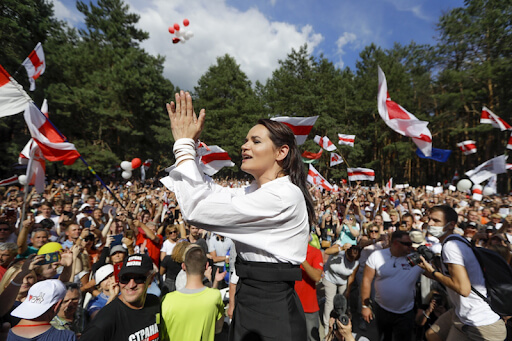
A wave of unprecedented demonstrations in Europe was triggered last September by French teenagers who occupied high schools to protest against insufficient public investment in education and the increasing elitism of French universities.
They believe there exists a social gatekeeping system against the working people. Poor and middle class students cannot pay for private education or afford the several unpaid internships demanded in order to make a resume palatable for most undergraduate or master programs—with or without tuition.
A few days after the French youth descended on the streets, Italian, Spanish, German, and Belgian peers followed their lead. Working adults joined too and, throughout October, demonstrations were held every weekend combining students’ worries with complaints on gas prices, inflation, housing and the welfare state.
The overall cost of the demands would be unbearable for most governments’ current budget. The EU is in a state of self-imposed austerity, where every country with a debt exceeding 60% of their GDP—the US is over 100%—has to commit to severely reduced public expenditure. As military spending will not stop rising and capital is not sufficiently taxed, cuts inevitably target essential services such as education, public health, and social security.
For years mainstream economists have been building a consensus on fiscal tightness: Government spending triggers inflation, making workers demand higher salaries, which makes entrepreneurs increase prices, causing more inflation. Yet, even with fiscal restraint Europe still has inflation. And as public spending is hindered, Europe cannot properly address the standard of living decrease which has created the current predicament.
Political commentators promoted the austerity consensus by differentiating between politics and policy. Politics is about elections, policy is about technicalities, about “science.” Public expenditure cannot go up because the “numbers say so”, or because that would go against the “market.” As if the latter is some kind of Hegelian rational spirit moving the engines of history without any possibility for humankind to change its course.
In other words, Europe, and arguably the US as well, has depoliticized economic policy, pretending that the State can only act on the market’s input and not vice-versa.
Current demonstrations are a first, unconscious attempt at dismantling this paradigm. Re-politicizing economic policy is key for the realization of their claims. Behind budget technicalities there are people losing jobs, mental health, educational opportunities or even lives—which inevitably affect elections.
Author

Discover more from Red Hook Star-Revue
Subscribe to get the latest posts sent to your email.