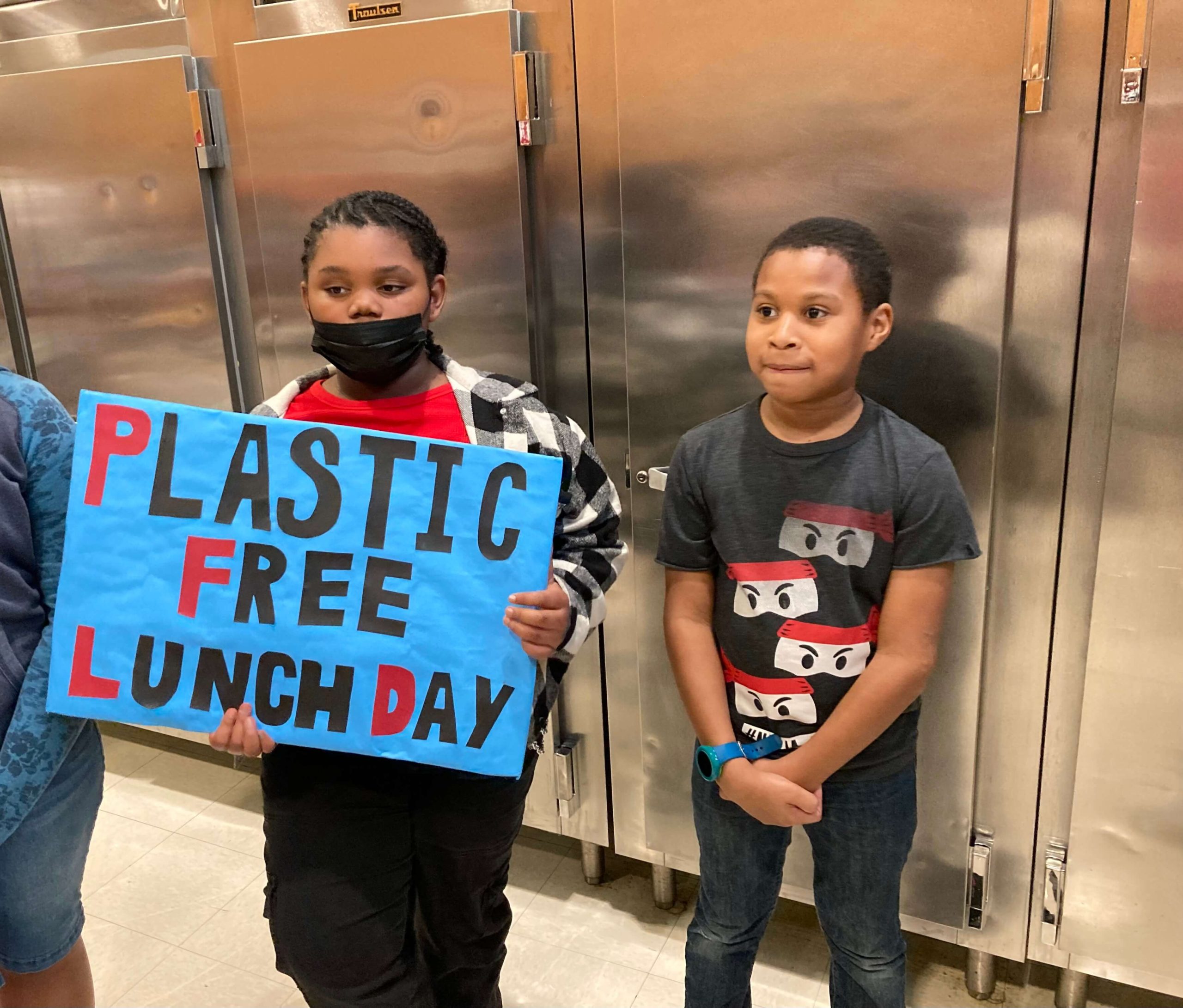
Cafeteria Culture is behind a 2019 award-winning documentary called Microplastic Madness. This movie documents the first Plastic Free Lunch Day, which was led by 56 fifth graders from PS 15. On that day in 2019, students counted 558 fewer plastic items and reduced total lunchtime waste by 99 percent.
This year they had pizza, broccoli and oranges all served without plastic. They had paper trays and food that was not wrapped.
Cafeteria Culture staff comes to third grade teacher Michael Maraia’s classroom once a week. They study the use of single use plastics and how it creates micro plastics and how it gets in the ocean.
“The kids are really into it,” Maraia said. “We have been recycling in the school for years with our compost bins. The kids really catch on how important it is and how important it is for making our earth sustainable.”
In an effort to reduce plastic waste, many students are bringing reusable water bottles and reusable forks from home. At the school, their goal is to be zero waste.
“The biggest issue we have had this year is our water cups, which are plastic” Maraia said. “Every day just in the cafeteria alone we go through about 100 cups. Our goal is to try to come up with solutions for how we can make changes.”
The third grade teacher’s students will be writing letters to businesses to try to get everybody in the school a reusable water cup.
Rhonda Keyser, who is the education director of Cafeteria Culture, said the organization has been in existence for 11 years. “This is all over NYC and it started right here and it is because of our incredible kitchen staff,” Keyser said. “We want to thank you for being incredible visionaries. Without you, our students would have nobody to talk to. We asked them, do you think it is important to reduce school food and plastic, and they said because we have access to the decision makers.”
“Plastic makes a big impact on the earth and when we liter it goes into the ocean and it contaminates the foods that we eat,” said Kioni Grant, who is in fourth grade.
Cafeteria Culture works creatively with youth to achieve equitable zero waste, climate-smart school communities and a plastic free biosphere. The kids at PS 15 learned how plastic is polluting the environment, and they have marched for climate justice.
“It’s long past time to reduce climate destroying, people polluting single-use plastics and micro-plastics,” said Debby Lee Cohen, executive director and founder of Cafeteria Culture. “Plastic Free Lunch Day is a student-led game changer for New York City and the country. New York City can lead once again for the health of our children.”
According to Keyser, Cafeteria Culture was originally called Styrofoam out of Schools. Once they achieved that, they changed names and their mission is to get single use plastics out of cafeterias.
The single use plastic is often used for 20 minutes and then is thrown away. They also want to work on reducing food waste, but find that reducing plastic waste can lead to food waste going down and they can take measures from there.
They have been doing waste audits at different schools for many years.
“It is exciting to look at the different amounts of plastic waste as people become more conscious,” Keyser said. “To look at what are the factors that go into reducing the amount of plastic. The waste with school lunch has gone down a lot.”
Stephen O’Brien, who is the director of school food from the DOE, was in the original documentary and was at the Plastic Free Lunch Day at PS 15. He helped make the first Plastic Free Lunch Day at PS 15 possible.
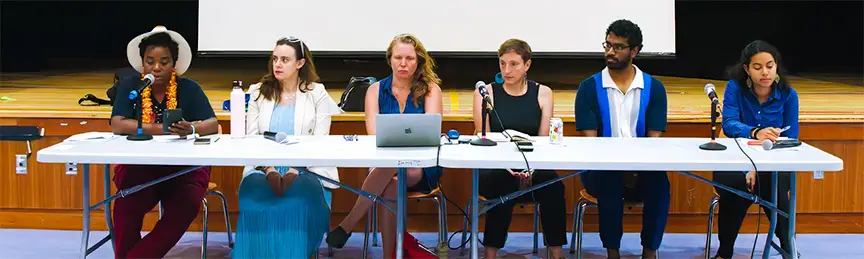
The kids at PS 15 in the panel asked O’Brien if a citywide Plastic Free Lunch Day could happen and he said maybe in five years. The kids replied with “why not now?”
In May of 2020 there was supposed to be a citywide Plastic Free Lunch Day but the pandemic delayed this day to reduce plastic packaging.
Cafeteria Culture had still been collecting data from their limited amount of partner schools during the pandemic working to reduce single use plastics. The students continued data and stories helped push the issue.
“They were not just giving their data, but they were telling their stories about why it is important,” Keyser said. “About the plastic pollution crisis and about managing the waste. We teach our students that good data drives policy and they learned that it is true.”
She said that in choosing their partner schools they had to select ones that do not have kitchens with a satellite service. A satellite service is where the meal is prepared somewhere else and then brought to the school.
Some of the guidelines for Plastic Free Lunch Day included sandwiches without plastic wrap, no utensils and no condiment packets. The procedures were laid out to make it easy for the over 750 elementary schools to participate.
Author

Discover more from Red Hook Star-Revue
Subscribe to get the latest posts sent to your email.