Gowanus cleanup
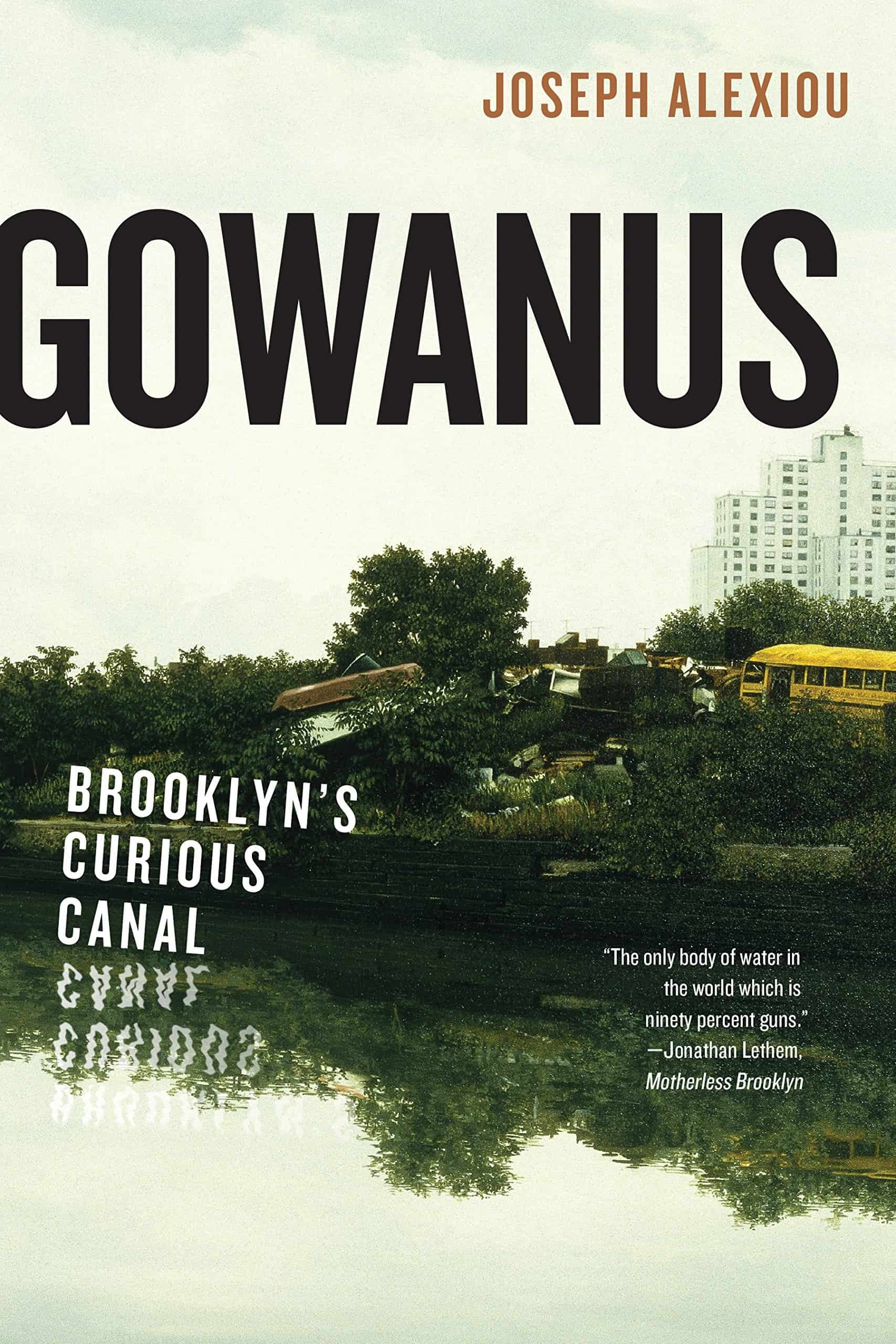
The Brooklyn Eagle just published a great essay by Gowanus scholar Joseph Alexiou. He makes clear what many reporters never mention in their Gowanus Canal Superfund coverage: that New York City is doing its best to sabotage the cleanup.
Titled “The Gowanus Canal will never be clean,” the article makes the case that it is local corruption and cheapskatedness that threatens the cleanup. “Not because the people involved are monsters who don’t like a clean environment, but because they fall prey to the same forces that have always called all the shots in this city: the civic power brokers and real estate developers,” he writes. “And because developers today control a truly disproportionate power in the zoning, construction and even who gets affordable housing, it is their dominance that guarantees the canal will never be clean… they’re not going away.”
Going into great detail, both historical and current, Alexiou makes his case without mincing words. He puts the blame for the city’s mismanagement of the pollution directly where it belongs: on the extreme neglect of the public good by politicians whose motivation is money and power, rather than the well-being of their constituents.
Money keeps the BQX alive
The Friends of the BQX is trying out a new Executive Director (their two previous ones, including Chuck Schumer’s daughter, haven’t done enough to advance the project). Brooklynite Christopher Torres is a progressive political activist who has worked for the Working Families party and Public Advocate Jumaane Williams. Torres has taken job no doubt because it pays more money than he has ever seen in his life.
BQX is the flawed streetcar proposal whose backers are mostly Williamsburg real estate developers the Durst Organization and especially Jed Walentas of Two Trees Development, both of whom are in the process of making oodles of money by covering up the Williamsburg skies with their giant luxury buildings.
As Alexiou writes above, the city’s growth has generally been determined by civic leaders and real estate developers (I will add another – sometimes corrupt labor unions for whom building big buildings represents jobs). The crazy trolley idea, which has faced withering disdain by all the communities it plans to invade, demonstrates obfuscation bigger than the Russian/Trump axis of propaganda as they try to convince everyone that this is for the poor masses who still live in public housing underserved by buses and subways. They actually tell people that the trolley will feature free transfers to buses and subways – a major lie as long as New York’s mayor and governor continue to engage in pissing matches.
Bill Perry, a Schneps Media Group writer in Queens, parrots the BQX lines as spewed forth in their glossy new website: “[BQX] would provide a crucial north-south transit option for the 400,000 people who live along the corridor and the 300,000 who work along the fastest-growing business corridors in the city.”
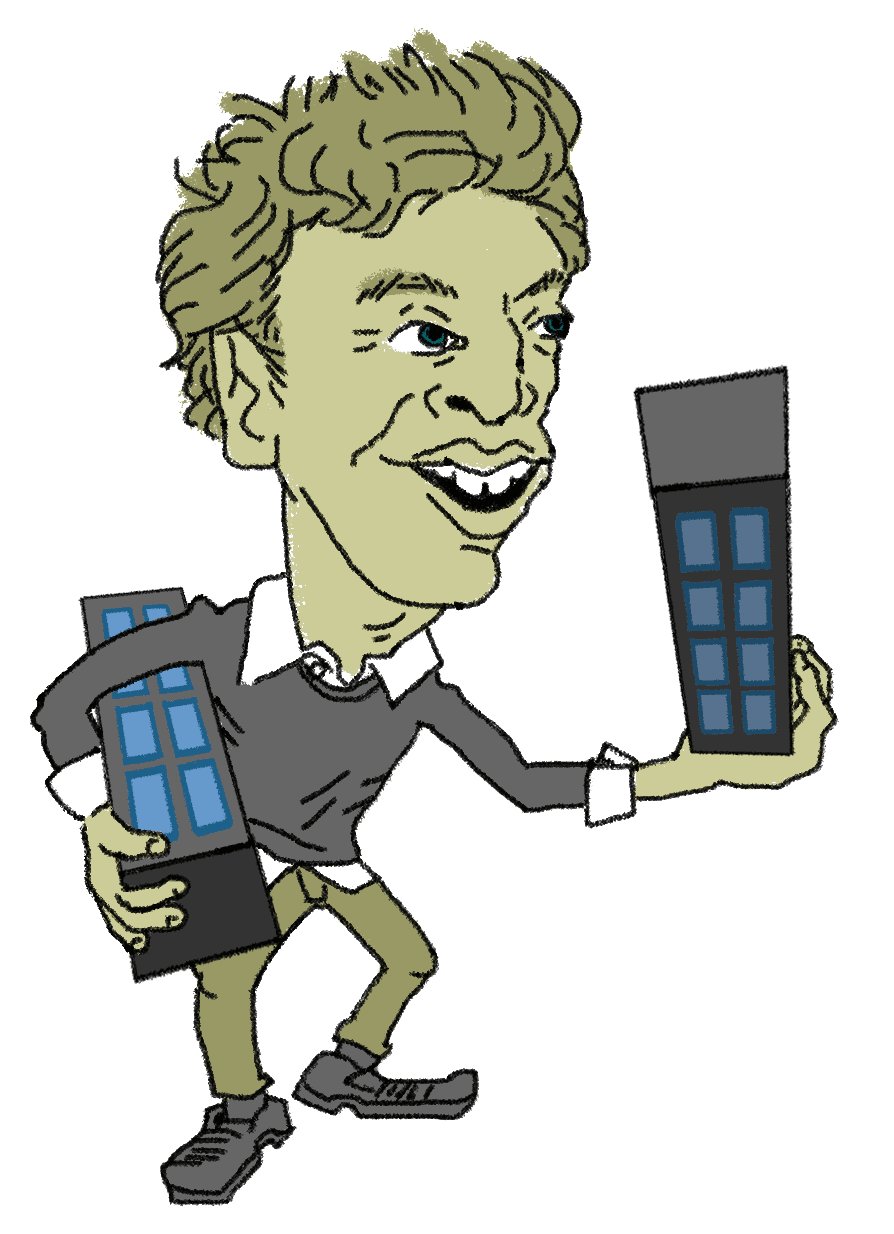
Crain’s business magazine writes that the new director will “out-organize any opposition” as public meetings on the proposal start next month.
Kevin Duggan, writing in Schneps’ Brooklyn Paper, gives a passable rundown on all the hurdles that the streetcar faces, mostly its infeasibility and better bus options, but he doesn’t discuss why the city continues to plow forward.
All the coverage overlooks the role of the expensive lobbying efforts that push this project through the city’s Economic Development Corporation and the mayor’s office. Two Trees, the Walentas company that learned the ropes in Dumbo, has a longstanding relationship with the highly connected firm Yoswein New York, headed by former State Assemblywoman Joni Yoswein.
Yoswein, whose clients have included IKEA, Home Depot, Wegman, the Brooklyn Public Library and National Grid, is reported to be spending the majority of her time on the BQX. It’s her retirement package, and well worth it for Walentas.
After all, being able to provide curb service from the Williamsburg waterfront to the Red Hook Tavern is really what it’s all about.
Two Trees addendum
From a January 21 press release:
JLL Capital Markets sold the River Street Assemblage, located at One River St., for Con Edison. Two Trees Management Co. LLC acquired the waterfront development opportunity, located in the North Williamsburg neighborhood, for $150 million.
The property offers easy access to both the East River Ferry Terminal and the L train, both with direct service to Manhattan and throughout the boroughs. The site also sits along the proposed path of the anticipated Brooklyn Queens Connector, a proposed streetcar line running from Astoria to Red Hook and the continuation of the Brooklyn Greenway Initiative’s alternative transportation route.
Scissura back in Democratic organization
BQX Vice Chair Carlo Scissura has been elected chairman of the Kings County Democratic Committee, as reported in the Brooklyn Paper. Scissura, a lawyer who once hoped to replace his boss Marty Markowitz as Brooklyn Borough President, has gone in and out of public life, turning his connections into a well paying career. As head of the Brooklyn Chamber of Commerce, a position he took after dropping out of the BP race in 2012, he advocated for positions antithetical to the Red Hook community. The Chamber actively pushed for an unwanted nursing home which was eventually defeated, and was a big supporter of Chris Ward and AECOM, who threatened the entire South Brooklyn coastline with luxury condos and new subway stations.
Scissura’s paycheck currently comes from the New York Building Congress, an organization that promotes the construction industry. Which goes to show once again that politics and real estate have always been intimately connected, regardless of the greater good and future of this historic city.
Adams and weave
Brooklyn Borough President Eric Adams made big news railing against gentrifiers swarming into the city from the Midwest.
It would have been nice if he had done something to prevent the demise of the 150 year-old Long Island College Hospital, which in addition to providing needed health services to the underserved Red Hook community, kept the historic Cobble Hill community within its historic dimensions.
Instead, he helped pave the way for the Fortis Property Group to kill the hospital and build huge condo developments, destroying the landmarked neighborhood.
Author

Discover more from Red Hook Star-Revue
Subscribe to get the latest posts sent to your email.