Review of “Countée Cullen’s Harlem Renaissance,” by Kevin Brown
Review by Michael Quinn
“Yet do I marvel at this curious thing: / To make a poet black, and bid him sing!” – Countée Cullen, “Yet Do I Marvel”
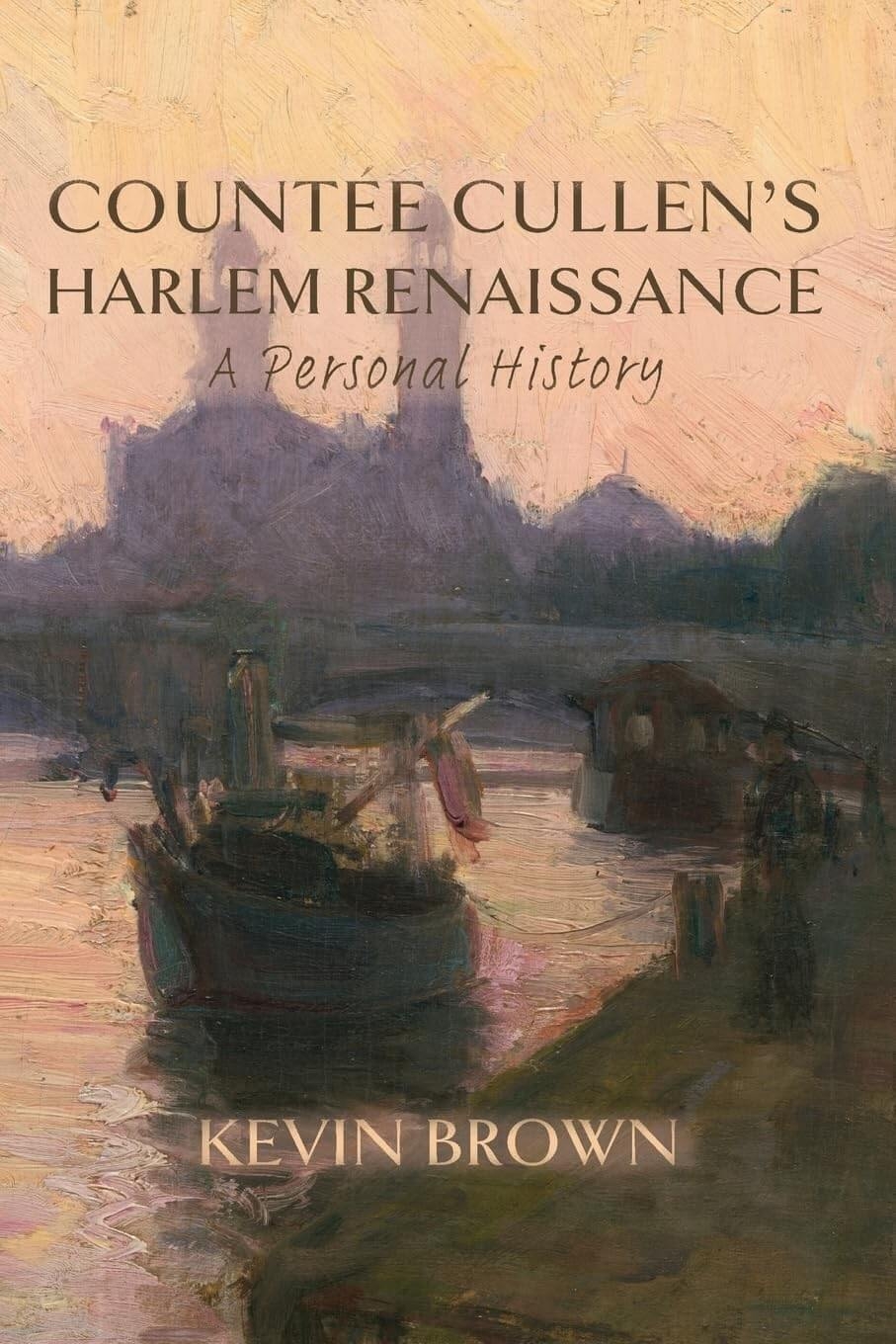
Come Thanksgiving, thoughts naturally turn to family and the communities that shape us. Kevin Brown’s “Countée Cullen’s Harlem Renaissance” is a collection of linked essays that traces Brown’s family history to Harlem’s golden age. The book is a powerful meditation on memory and the ties that bind us. While it isn’t a memoir, Brown skillfully weaves his personal story, photos and historical ephemera into the narrative, creating something unique and compelling.
Bloodlines and bonds
Countée Cullen (1903–1946), a key figure in Harlem’s cultural movement, is best remembered for his lyrical poetry, which captures the joys and struggles of being Black in America. Brown’s analysis draws from a familial connection: his maternal great-grandmother, born Ida Mae Roberson, was Cullen’s second wife and literary executor after his death—14 years before Brown was born.
“We aren’t related by blood,” Brown explains, “but we are, in ways I hadn’t even imagined, connected.”
Portrait of the artist as a young man
As a young Californian visiting New York, Brown finds Ida Mae immersed in a world of Black art and culture. The young writer is first awed, then intimidated, by Cullen’s legacy. His insecurities deepen after unsuccessful introductions to writers like Owen Dodson. Feeling inadequate, he acts out, straining his relationship with Ida Mae.
Still, he decides to call New York home for a while. The Harlem he finds in 1985 is a far cry from the artistic paradise he’d imagined—he calls it “a crime scene.” The city’s gritty reality and the challenges of a writing career offer new insights into what Cullen faced. “I simply had no way of imagining Countée as a struggling writer,” Brown reflects, where “the only certainty is constant disruption.” Through Ida Mae, Brown also develops a more nuanced view of the Harlem Renaissance, which fostered connections between artists through the feeling of being part of something bigger that was happening, but also caused them to harbor jealousies and form alliances—just like the dynamics in any big family.
Ida Mae’s commitment to protecting Cullen’s literary legacy, which includes never-ending chores like managing copyrights, allows Brown to gain a deeper understanding of her work. As he learns more about Cullen’s personal life, including his same-sex relationships, he sees her dedication in a new light. Yet their relationship doesn’t improve. All the essays converge around this unresolved tension.
Making sense of the past
While Ida Mae’s fortunes fall late in life, she continues to command attention like a deposed royal. Though living elsewhere, Brown visits periodically, recognizing when he’s about to be dismissed by the way she would “lower her eyelids, turn her high forehead in the other direction, and with those long fingers that curled backward at the tips (like mine), slowly wave her hand downward, as if closing the trash bin.”
Estranged from Ida Mae at her death and left with unanswered questions, Brown embarks on what he calls “a personal search for a usable past”—the catalyst for this book. In his Proustian search for lost time, Brown retraces the steps that brought Cullen and Ida Mae together. He ultimately comes to admire the audacity of a woman walking out of the security of her first marriage in Depression-era Missouri to embrace the uncertainties of literary life in the big city. He also discovers how larger historical forces like the Great Migration and Civil Rights Movement have shaped the choices everyone in his family has made—lives marked by setbacks but also perseverance.
“Countée Cullen’s Harlem Renaissance” is a triumphant tribute to family legacy and personal resolve. It stands as a reminder of the importance of honoring where we come from and the power of gratitude—for family, for history and for the courage to uncover and make sense of the past. Whether you’re celebrating family or estranged from them this Thanksgiving, Brown’s story reminds us that the search for understanding is always time well spent.
Author

Discover more from Red Hook Star-Revue
Subscribe to get the latest posts sent to your email.