News from the neighborhood.
Red Hook & Gowanus
Subscribe to get the Star-Revue’s newsletters throughout the month.
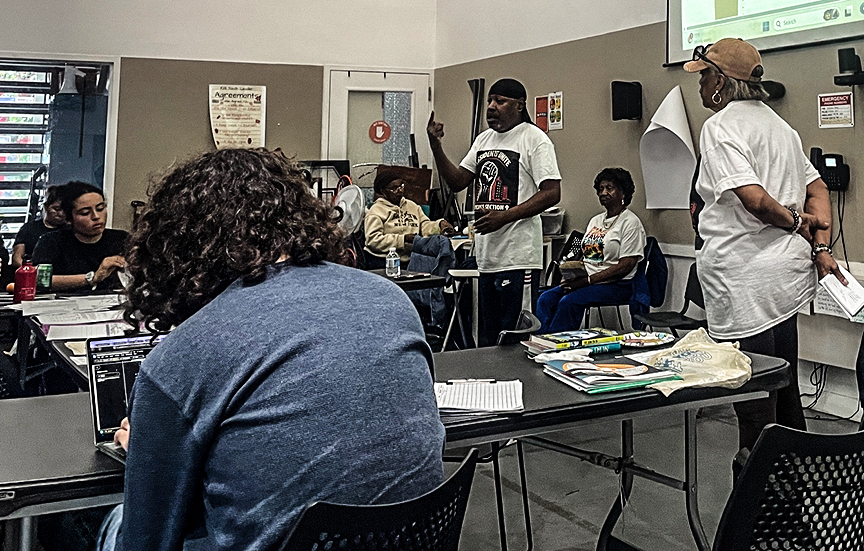
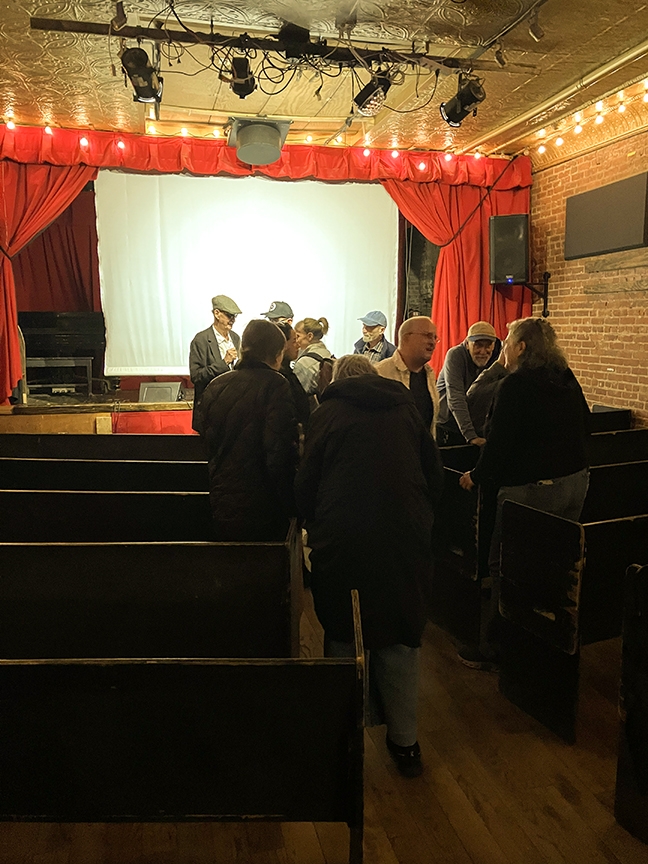
“Land is power” was the refrain at Jalopy Tavern on Wednesday, May 13. Despite the gray, dreary weather, the energy was upbeat as roughly 35 New Yorkers met to watch a screening of Rabble Rousers and listen to a related panel discussion. Co-hosted by Carroll Gardens Association, Columbia Street Waterfront Association, New Economy Project, Southwest Brooklyn Tenant Union, and Save63Tiffany, the event explored what community control could look like in housing using the example of Cooper Square Community Land Trust.
Attendees were still slinking in as Rabble Rousers (2022) began. The documentary details the creation of Cooper Square Community Land Trust after 50 years of community organizing. It largely follows the story of founding member Frances Goldin, housing advocate and community organizer, as she fights the city against urban renewal, evictions, and disinvestment. The documentary uses rich archival footage and interviews with Cooper Square members, organizers, and professors to portray the unlikely victory that the organization won against powerful urban planner Robert Moses, as well as the trials and tribulations the community experienced during the post-1970 financial crisis.
While small, the community land trust (CLT) movement is growing in New York City today–there are currently twenty active CLTs within the five boroughs. The model began in the South as a tool for ensuring land tenure for Black sharecroppers during the civil rights movement, but is now increasingly popular as a strategy for creating affordable housing. The idea is fairly simple: a community-led nonprofit (the CLT) owns and stewards the land to make sure that anything built or used on top of it is for community benefit (as determined by the community). Buildings are owned by individuals, businesses, or organizations, but the land under them remains a part of the CLT. Longterm, this model keeps housing permanently affordable through structure, management, and enforcing a resale cap. It ultimately prevents land speculation by removing it from the market and giving local communities permanent ownership of their land.
The Cooper Square CLT serves as the blueprint for New York CLTs; first envisioned in 1969 and finally realized in 2012, Cooper Square currently manages 21 buildings, over 400 units, and dozens of storefronts in the East Village. Although they were unable to completely avert the neighborhood’s gentrification, it is hard not to overstate the inertia needed to gain any foothold within Manhattan real estate.
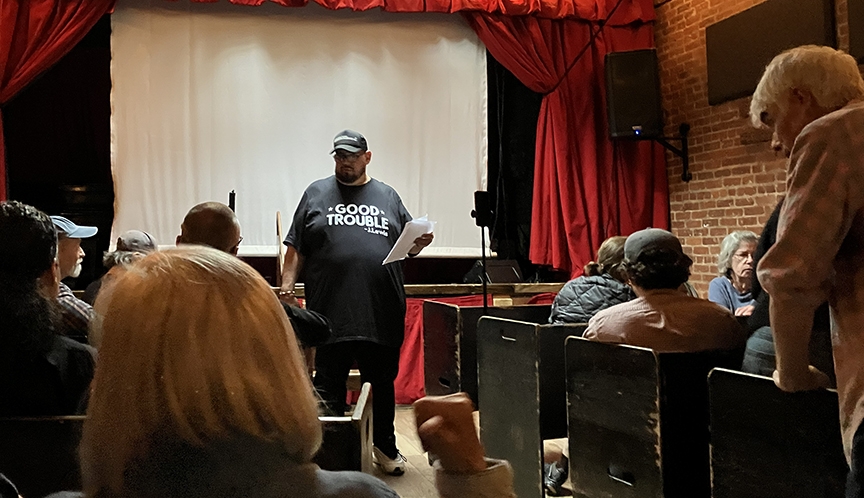
The Southwest Brooklyn Tenant Union (SBTU) organized the screening and discussion to introduce the topic of community land trusts to Southwest Brooklyn, and to showcase the tenacity needed for strong and successful community organizing. John Leyva of SBTU, chose Rabble Rousers because it “brings that message home, that you keep fighting no matter what.” After first watching the film three years ago, he was moved by the length of time that organizers for the Cooper Square CLT fought: “That’s a long time. In 50 years, people die out, people move out, people join, people drop out, like, so much happens. And for them to have been able to sustain that…”
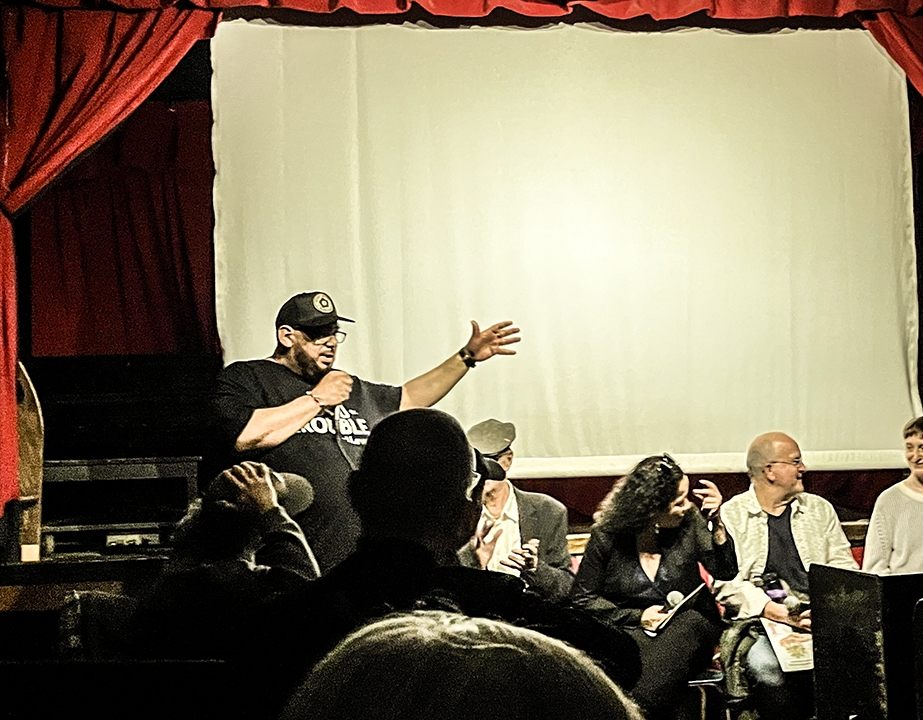
Much of the following panel centered around the importance of organizing. With Leyva facilitating, the panel included Housing Advocate Tito Delgado (Cooper Square CLT), Professor James DeFilippis (Rutgers University), Council Member Alexa Aviles (District 38), and Community Organizer Elise Goldin (New Economy Project). The lively discussion explored how commercial leases fund CLTs, the importance of fun in community organizing, and the political significance of land. It also frequently returned to the plight of the NYC Housing Authority–the City’s public housing provider which continues to grapple with the results of decades of disinvestment, increasingly turning to privatization to help fund rehabilitation of its units. As the event moved into its third hour, attendees and panelists reflected on the state of affordable housing.
Leyva has been trying to screen the documentary for three years, but the movie takes on special significance in light of NYC Economic Development Corporation’s plans to redevelop the Brooklyn Marine Terminal. The plan has been controversial in Red Hook and Carroll Gardens, primarily for the proposed addition of 6,000 units of housing (2,400 of which would be permanently affordable at 60% AMI) in forty-story high buildings. Housing affordability has become the topic of conversation citywide, with concerted government efforts to develop more units. Some, however, doubt the ability for new developments to bring deep affordability that will allow community members to stay in their neighborhoods.
Towards the end of the panel, the focus changed to envisioning alternate plans for the BMT. One community member mused that a “CLT is just one tool in the toolbox,” a toolbox that includes land banks and social housing. If development is to happen on the working waterfront, then “what would real community control look like?”
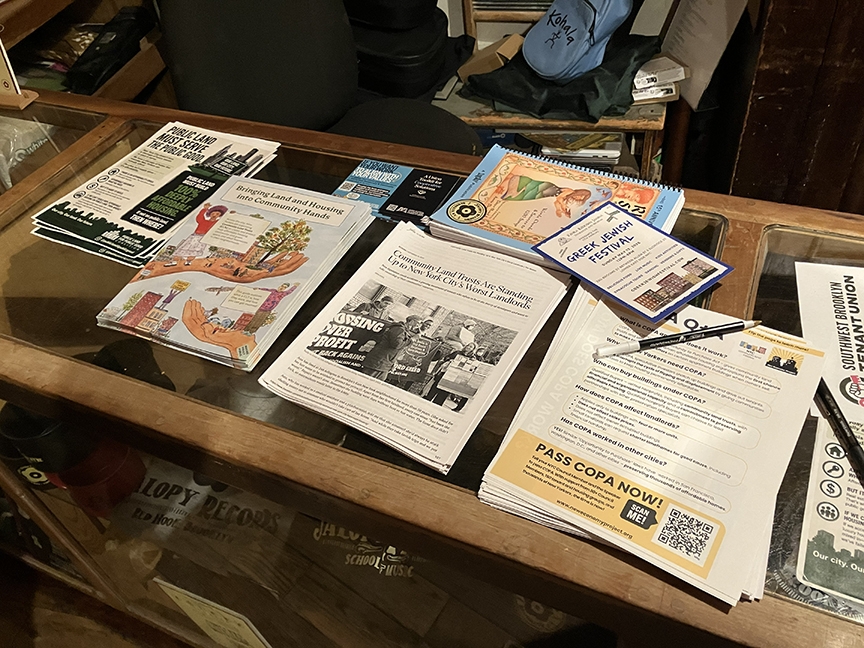
Leyva then announced the Southwest Working Housing Group, an organization that will focus on housing justice and affordability in Southwest Brooklyn. Leyva was inspired by the CLT movement, but said “I think maybe it should be broader, because [the organizing] might not lead to a CLT. But I would like to bring together a group of people that want to learn.”
Asked if there was anything else lined up yet for SBTU, Leyva was ready with a few ideas: “I’m hoping to maybe get Emergent City [a documentary about Sunset Park and Industry City], or the story of the BQE … I think it’ll be a great series for people to really think about other things.”
Author

Discover more from Red Hook Star-Revue
Subscribe to get the latest posts sent to your email.