In my teens, I remember going to the movie theatre to watch ATL, Rapper TI was at the time, nearing the height of his pop culture presence. I had a crush on Lauren London who played TI’s love interest, Nunu – a standard infatuation for many boys at the time, and now (as she is still fine). ATL was my introduction to a unique Black Rollerskating world–– rhythm, swag, routines, brotherhood, and sisterhood, all on wheels.
After ATL, the rollerskating rink Cascade became a pride point for many young Atlantans like myself. Now in NYC over a decade later, I’ve been reintroduced to the creative rollerskating culture I grew up admiring. However, this time, with a deeper understanding of the Black Rollerskating community, all thanks to Tanya Dean, founder of Skaterobics.
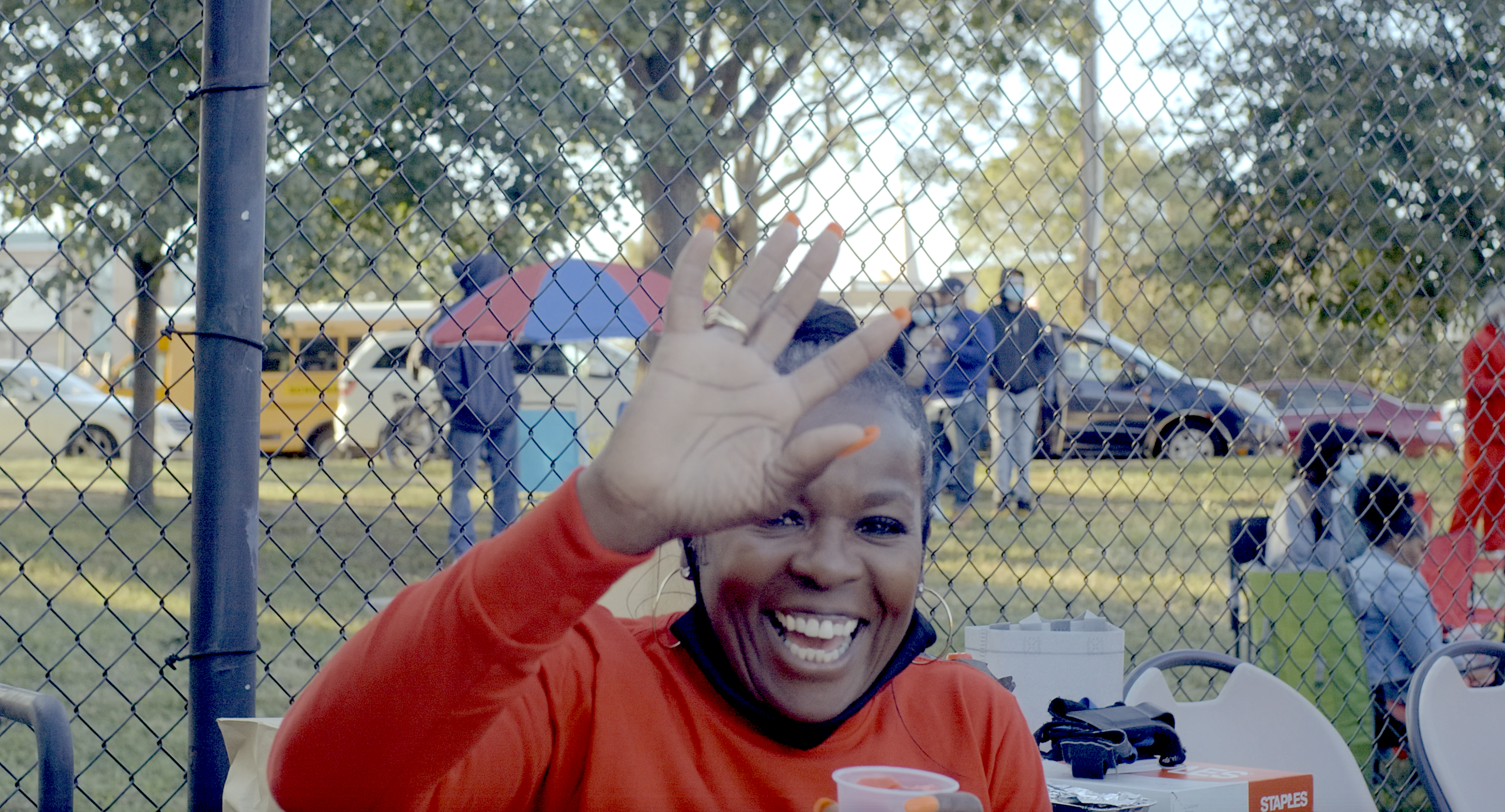
Roderick Thomas: Hi Tanya! How are you?
Tanya Dean: I’m good, busy but good. I work around the clock [laughs].
Roderick Thomas: Let’s jump right in. What’s your story and where are you from?
Tanya Dean: My story takes so many turns. Well, I’m from Jamaica Queens, New York, but my parents originally came from Baltimore, Maryland.
Roderick Thomas: Were you always into skating? What did you do before you entered the rollerskating world?
Tanya Dean: Funny enough, I was a corrections officer and I also did boxing.
Roderick Thomas: That’s not what I expected. Talk to me about your time as a corrections officer and a boxer.
Tanya Dean: People don’t expect me to say that. I used to box with folks like Yoel Judah and his son Zab Judah, who was a well-known, up and coming welterweight at the time. Zab actually went on to fight Mayweather. I was also a corrections officer, and that was incredibly stressful.
Roderick Thomas: How do you go from corrections officer to rollerskating?
Tanya Dean: [Laughs] As I said, being an officer was stressful. One night I went skating to blow off steam, and I felt so alive and free. It was an amazing feeling, so I just kept going.
Roderick Thomas: When did rollerskating become more than a hobby, what made you start Skaterobics?
Tanya Dean: I used to have a dance troop. We started skating at Empire Rollerdome in Brooklyn and Skate Key in the Bronx. However, when Empire and Skate Key closed down, we had to go to New Jersey to skate. Jersey wasn’t easy for everyone to get to, so I created Skaterobics in 2010 and officially launched it in 2015.
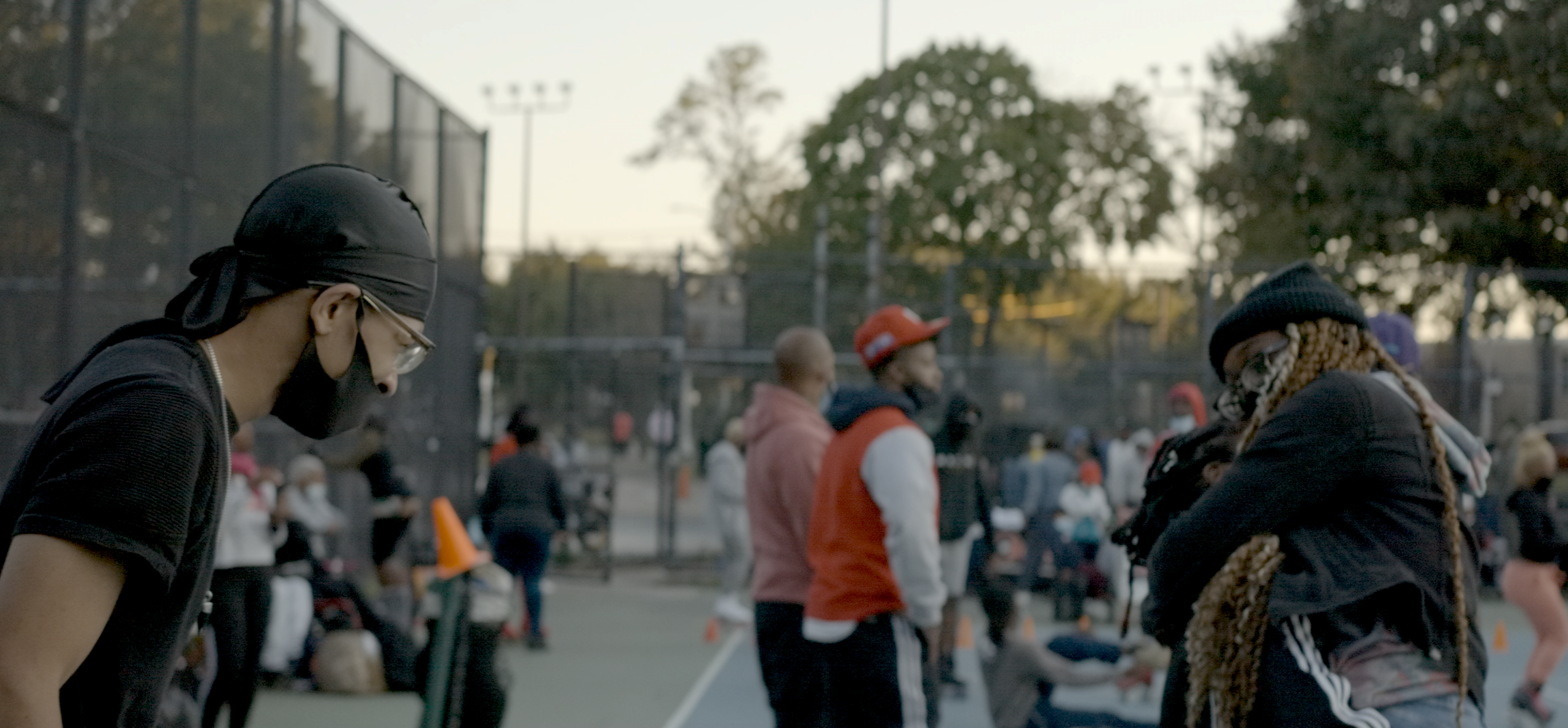
The history behind Black American Rollerskating Rinks is much like other stories of Black American culture/pastimes. Despite major issues with civil rights, Black People find ways to access joy and creativity, transforming any art form. Although many of the Black Rollerskating Rinks have closed down since the mid-1980s, it might be inaccurate to say that Black Rollerskaters went ‘underground.’ Ms. Dean describes an active world of skating parties, multi-state competitions, and conventions, that would almost be invisible to those who weren’t paying attention.
Tanya continues: Skating went ‘underground’ to some people, but not to us. After the big Disco era, John Travolta, Cher, the “Staying Alive” era, skating lost mainstream popularity. However, those who had been skating outside of the mass appeal of Disco kept on rollerskating.
There’s Icy Hot in Ohio, Rollin’ in the Carolinas in North Carolina, Dawg Pound in Alabama. I could go on and on.
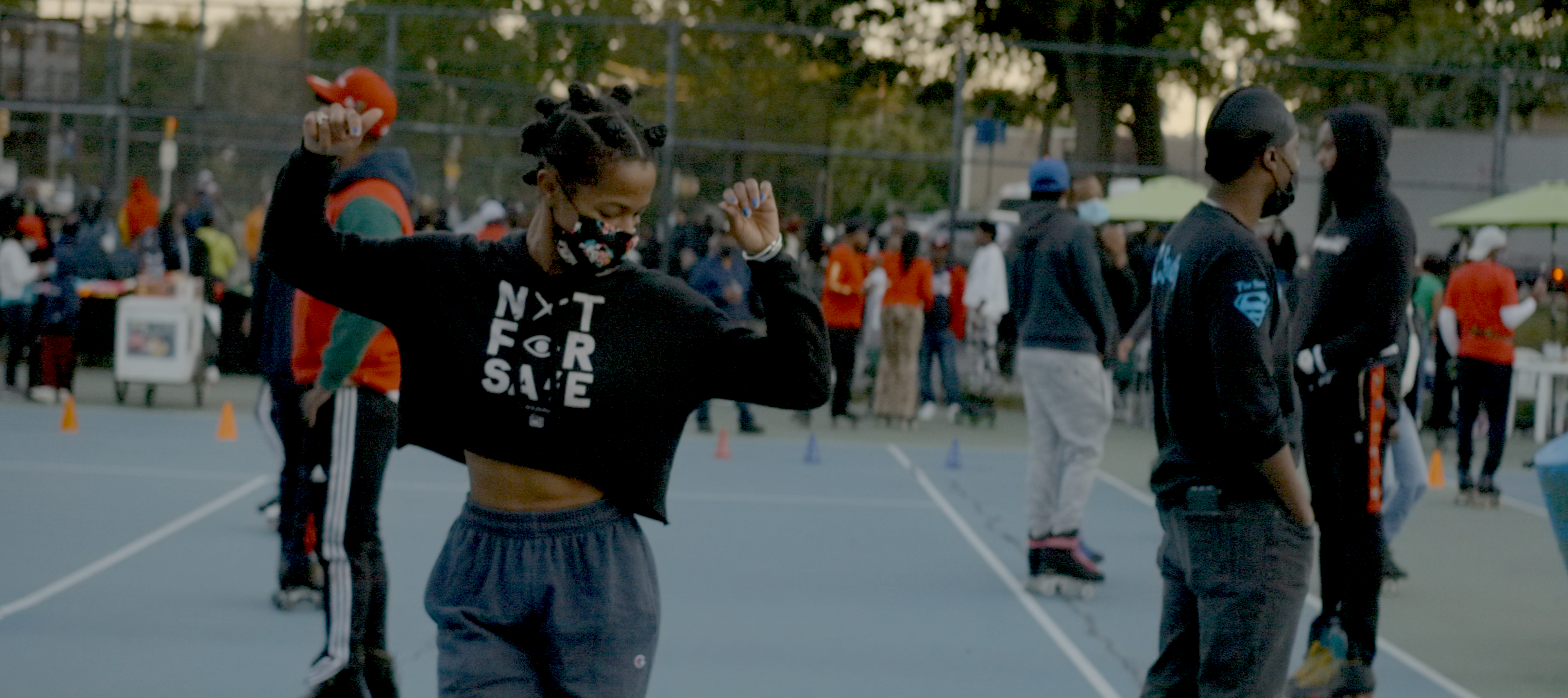
I recently attended a weekly Skaterobics Sunday event in Queens. I didn’t put on skates I just watched. I was overwhelmed with the images of laughing Black Children, happy Black Families, and couples, gliding over the colorful concrete. I was struck by the diversity of people skating. I saw Black Men holding and supporting other Black Men as they skated for hours, while DJ Nyjae Jordan played perfect sets. Not a single, “no homo” or “pause” statement to be heard, as queer and straight Black Men and women skated, protecting each other — I was about to tear up. I thought to myself this is Black Love, we need to feel this now.
At the Skaterobics event, there was free food, Collard Greens, Mac and Cheese, burgers, and hotdogs. I scarfed down my Collard Greens and Mac, then walked over to Tanya to congratulate her.
Roderick: Tanya, the event on Sunday felt like a safe place for all Black People and others to be themselves. It was great to see healthy masculinity, and everyone was so protective of each other. Why do you think that is?
Tanya Dean: It’s two things. One, skating creates a euphoric feeling, especially to the music. People come here to feel good. Second, I set a standard, if it’s not about love I’m not tolerating it. Skating is a sharing of energy and you will feel love, that’s all.
Roderick: I’ve interviewed various people Black Cowboys, DJ’s, folks in politics, etc. I often find Black Women at the helm of community-centered organizations. What do you think about that?
Tanya Dean: Black Women are incredible nurturers. For so long we’ve had to deal with our own traumas, but still care for the family and Black Men. Many Black Women instinctively think about the community. It’s that creative spirit, the no-nonsense spirit that’s in us. That bit of matriarchy has kept Black Women surviving in the community, and we’ve continued to care for our people.
Roderick: How has the pandemic affected Skaterobics?
Tanya Dean: I just had to pivot my approach. The skating events are outdoors, and I teach classes online now. Funny enough, I broadened my reach. I’m now teaching folks in California, Australia, the UK, and the Netherlands. You can do something fun outside, or online. All you need is yourself.
Roderick Thomas: As we continue to see violence and protests, what do you think Skaterobics’ role in the Black Lives Matter movement is?
Tanya Dean: I was a corrections officer, my sister is a retired police officer, so I understand the world of law enforcement. However, no one wants to be killed by anybody, especially by the state. So my role now is to spread love and peace, through rollerskating. I don’t mean a foolish love either, I just mean prioritizing love as the standard.
Roderick: What do you want people to know about Skaterobics and your community work?
Tanya Dean: We need to love each other, not be afraid of one another. We’re in dark times, I know that people need to be out, feel joy, a sense of togetherness, and be safe. I’m using my time and Skaterobics to build love and share love from in, and outside communities.
Roderick: Tanya thank you for this amazing conversation! Any upcoming events we should be aware of?
Tanya: Of course, thank you! For now, meet us in Queens on Sundays at St Alban’s Park. Come ready to have a great time. You can also join our Zoom classes online. Also, we’re currently doing some voter registration events and have several pop-ups throughout the city, so keep up with us on social media.
You can catch some upcoming Sunday Fun day, Skaterobics events at St. Albans Park in Jamaica Queens, on Merrick Blvd. Be sure to check the Skaterobics Instagram, for upcoming pop-ups and skating events.
Author

Discover more from Red Hook Star-Revue
Subscribe to get the latest posts sent to your email.