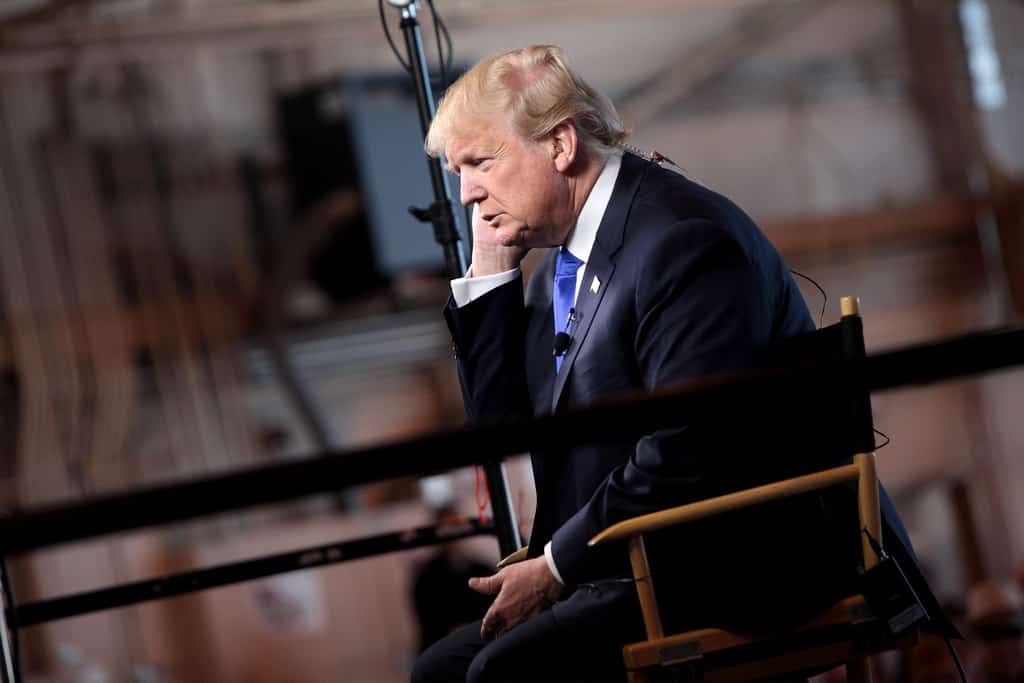
If you woke up on the morning of November 9, 2016 finding yourself as apprehensive about Donald Trump being elected the country’s 45th President as I did, that may not be such a bad thing. The brash and often outspoken Trump is set to be one of the most erratic and un predictable Presidents that the country has ever elected into office. With that said, when taking into account the several delicate issues that the country is currently facing, there are two crucial questions to be considered going forward:
- Is Donald Trump is the ideal President to govern the country through significant social reform?
- Do we actually need him to be?
There are several issues confronting communities of color that need to be addressed during this next Presidential term. To name a few; the immigration issue and its roots, reform of the criminal justice system and the policies of our police force, prison reform, equal education, employment, poverty and health care. Most of these difficult issues actually are within our influence by way of community accountability and communities being more assertive with our local politics. The people, i.e. our community leaders and local politicians actually have more agency over the quality of life and the prosperity of our communities than the current and forthcoming President of the United States.
For some of us, our expectations of significant social reform taking place in communities of color were heightened with the historical election of the country’s first black President. In fact, President Obama being in the White House in some ways may have served to stunt our political progress on the grass-root level, as people viewed him as a symbol of hope and may have become complacent. With the changing of the guard in the White House come January 20th, for many that idea of hope has been replaced with an assumption of hopelessness.
Considering what we have heard from his past and present rhetoric, it seems unlikely that Donald Trump is intent on championing the cause of communities of color, which places the ball squarely back in our community’s hands where it should be. Any architect will tell you that you build buildings from the bottom up, not the top down, and the same fundamentals apply when building communities.
Executive orders play a major role in shaping the country’s infrastructure, but nonetheless it is the Amendments and intro bills on the state and city level that have immediate consequences on our quality of life.
In times when an individual and/or a community may feel powerless in their current state
of affairs, it is human nature for that individual and/or community to strive to gain some form of control over their situation. This was manifested when we witnessed thousands of people across the nation taking to the streets in protest of Trump’s election. People protesting in the streets or using symbolic gestures has become a popular avenue of public expression towards wanting change, though protesting for the sake of protesting with no clear strategy for significant reform has come under much criticism as being ineffective. It is time for us to march to a different strategy.
Any fear and uncertainty felt the morning after Donald Trump became the nation’s President-Elect should be replaced with a sense of personal accountability in conjunction with showing a “Distinct Recognition” and holding our local official accountable. These local officials should all serve our communities with innovation, creativity, commitment and temperance in their positions.
Let us be mindful that most officials are elected into office for the people by the people. Let us collectively self-reflect, serve our communities selflessly, consider our resources and creatively utilize them, vote and hold our “Local” public official accountable, and let us educate our communities about the political grid and process in our districts, cities and states.
We will discover that we have the power to create Hope and Healing, and we will Make Our Communities Great Again.
Author

Discover more from Red Hook Star-Revue
Subscribe to get the latest posts sent to your email.