“Back when I was a kid Red Hook was an area of recreation. We had a lot of parks, and we always had the water…
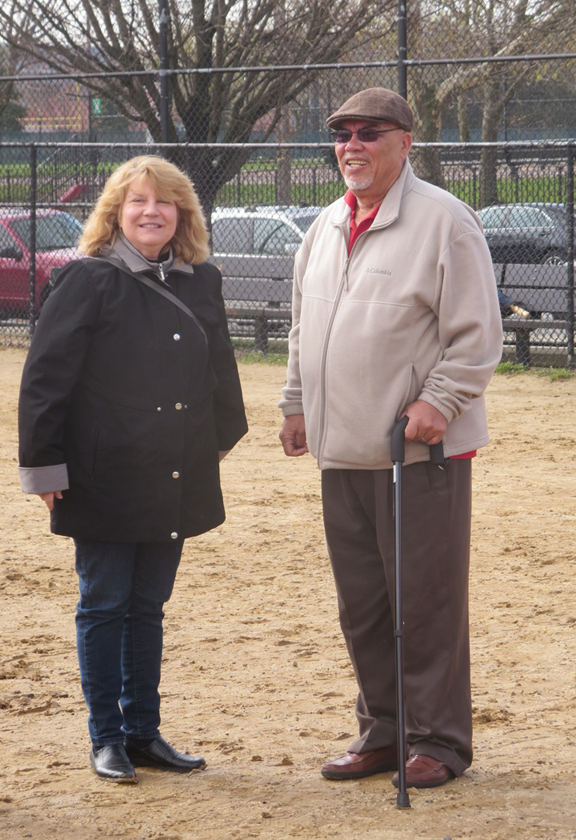
As kids we were always very active on the docks. Lots of swimming, and just hanging out down there. It use to be more like a beach so that we could just walk right up to the water. It was something all the kids did.
When we weren’t swimming we had a lot of other things to do too. We had a couple of theaters nearby. There was the Pioneer Theatre down on Pioneer Street, and the Happy Hour Theatre over on Columbia Street. If I remember correctly, a flick would cost you about 25 cents back then.
There was also the Community Center over near where the Red Hook Houses are now. They had something for everybody; they had CYO programs there, and everything was open to the public free of charge. I remember they had a lot of after school classes for the kids. Wood shop classes and carpentry classes for the boys, and cooking classes for the girls. Then there was Visitation Hall over on Verona Street that hosted dances with music and basketball games, stuff like that. In Red Hook, as a kid, you could always keep busy back then.
If you got hungry you went to Defonte’s for a sandwich, which, believe it or not, cost only about 15 cents back then. The kids would go find where the dock or factory workers were eating their Defonte’s sandwiches and bottle of beer for lunch. We would wait for them to finish and then take their beer bottles once they were gone so we could go cash them in for pocket money.
I remember, besides being a place of recreation, Red Hook was quite the industrial town back then. The docks were always bustling, and between those and the factories there was plenty of work for whoever needed it. As a kid you could always find some work to do after school, to have money for the movies or whatever.
One of my biggest memories is of playing stick ball in the streets. There were no computers or video games back then of course so the streets were always filled with kids. It seemed like there was always a game going on outside. There were a lot of kids in the neighborhood. We used to play “block against block”. Those were the teams back then. Your block against mine. Some parts of Red Hook were mostly Italian back then, but where I lived it was mixed. But if you could play good ball you could play with everybody.”
Author

Discover more from Red Hook Star-Revue
Subscribe to get the latest posts sent to your email.