News from the neighborhood.
Red Hook & Gowanus
Subscribe to get the Star-Revue’s newsletters throughout the month.
On Tuesday, May 26, with much fanfare and with Brad Lander and Michelle de la Uz tagging along at the Gowanus’ Powerhouse Arts, Mamdani released his administration’s land use and housing plan. The 112-page “Block by Block” proposal outlines how to build 200,000 affordable homes and preserve another 200,000 over the next ten years.
Investments in NYCHA
The plan includes support for the New York City Housing Authority (NYCHA). Investments will be used for infrastructure repairs and upgrades, and the city will review the Permanent Affordability Commitment Together (PACT) program to “understand lessons that can help strengthen the program.”
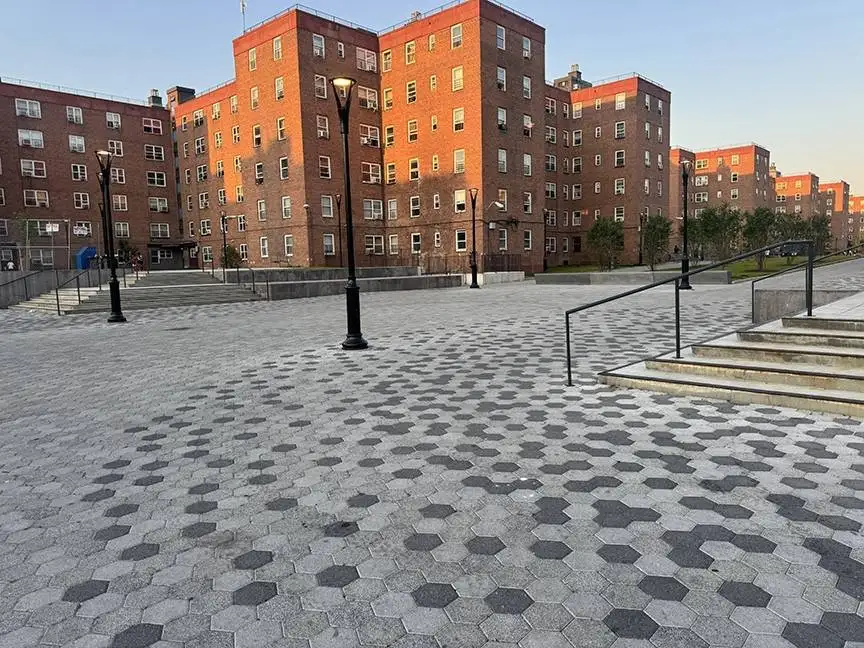
As NYCHA gears up to transfer Red Hook West from Section 9 public housing into the Section 8 PACT program, the Block by Block plan may have a significant impact on the tenant experience some years from now.
NYCHA is already investing $6 billion from combined government funding to address issues at its Section 9 properties. The Mamdani administration’s “Block by Block” housing plan will invest further.
Part of the plan addresses major capital needs, including plumbing and in-unit repairs. The plan identifies waste plumbing lines in bathrooms and kitchens as the primary sources of leaks and mold in NYCHA units.
It also aims to increase NYCHA building efficiency, including by modernizing and repairing elevators. Additionally, 20,000 NYCHA families will receive window heat pumps over the next five years, with some PACT developments also receiving the new heating tech.
Beyond repairing and modernizing NYCHA’s developments, Mamdani aims to boost resident association participation, citing low tenant voting rates and meeting attendance.
Further, the new administration will use a combined $370 million in capital and expense funds to speed up the process for turning over vacant units—a process they are often criticized for. Preparing the vacant units for residency—which can include lead and asbestos abatement—can take up to a year, an investigation from the Department of Investigation found, and squatters have become a recurring problem.
Improving the PACT program
City Hall and NYCHA are looking to strengthen the PACT program after its controversial decade-long run. NYCHA plans to examine how PACT has “delivered critical modernization to thousands of NYCHA tenants, and where it may fall short of meeting its goals.” The city also aims to establish deeper engagement opportunities for PACT residents post-conversion to ensure that residents are aware of their rights as tenants, with the goal of ensuring community plans established under PACT align with residents’ wishes and that building conditions and management improve.
NYCHA will also study how it can simplify the succession rights process for family members of a leaseholder, and launch the “Pathway to Authorization Program,” which provides a limited-time opportunity for unit occupants to obtain authorized status upon conversion.
In many cases, PACT residents have reported a lack of tenant engagement with their respective PACT partners. To remedy this, the plan states that NYCHA and City Hall will establish “Post-Conversion Resident Partnership Meetings” to boost outreach and provide resources from the Mayor’s Office to Protect Tenants. The housing authority plans to continue issuing reports on the PACT program sharing information about work order requests at PACT developments.
It should be noted that the Block by Block plan is vague on how it could improve the lives of tenants of PACT developments, especially given the city’s lackluster record on meaningful public engagement.
Where Red Hook West fits in
Red Hook West is still years away from its official PACT conversion. In May, a community visioning report was published, which outlines residents’ priorities for improvements. This summer the process of finding a new landlord will begin. While the PACT process is already underway, residents might still see post-conversion benefits, such as deeper engagement opportunities.
Brooklyn Marine Terminal
When Mamdani was elected in November, many locals hoped he would take a more community-friendly stance regarding luxury towers on the waterfront.
However, the administration has been on the record supporting the redevelopment as stated in the approved Vision Plan, and any hopes for less housing on the site were summarily dashed by Block by Block, which states, “Densifying our existing neighborhoods, especially those with excellent transit access and restrictive zoning that prevents housing development, is critical to building the homes needed to ease our housing crisis. We can also build new neighborhoods, or extend the boundaries of current neighborhoods, by redeveloping large publicly controlled facilities.”
While Red Hook and the Columbia Street Waterfront District both are transit deserts, the plan explicitly mentions the BMT project as an opportunity to add housing. Existing plans aim to build 6,000 units.
Gowanus pollution
The city will continue to invest in environmental remediation projects, though the report gave few details. However, Gowanus Green, the future affordable housing development at the former manufactured gas plant site Citizen Works, is mentioned as a site that will receive priority. HPD will work with the developers—Fifth Avenue Committee (FAC) and its for-profit partners—to “separate the financing of infrastructure and remediation from housing projects to make multi-phase projects easier to execute,” as they say. Michele de la Uz, the long-time FAC Executive Director, was appointed by Mayor deBlasio to HPD in 2012, and served during both his terms, so she knows what she needs to have happen to get her long stalled project running, despite the major contamination problems in the soil.
It isn’t stated if the city will increase investment in environmental remediation or push for more comprehensive cleanups using the latest technology, two things that would both speed up development and build trust with communities.
Author

Discover more from Red Hook Star-Revue
Subscribe to get the latest posts sent to your email.