
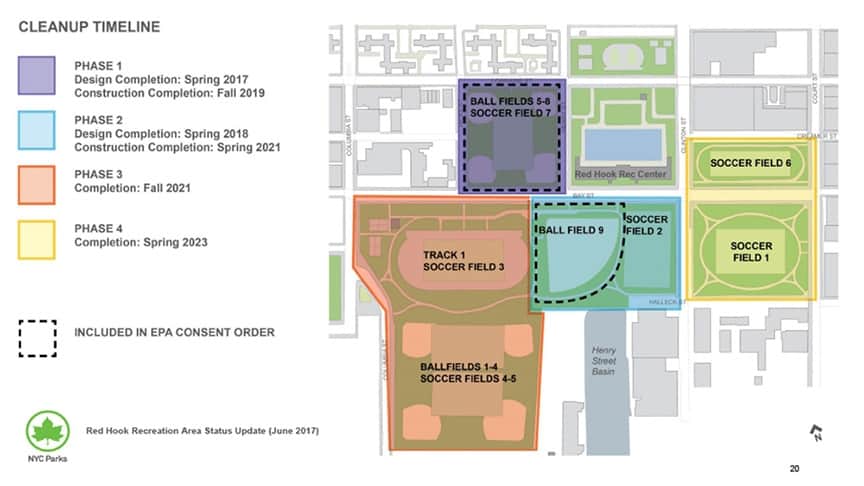
 The saga of the Red Hook ballfields began in March 2012, when the NYC Parks Department hurriedly shut fields 5-8 because of suspected lead contamination. Topsoil was replaced and the fields were back in operation in time for an abbreviated little league and softball schedule.
This was the direct result of an extensive USA Today report that identified hundreds of contaminated ex-industrial sites across the country. Many factories that emanated pollutants were shut and housing built instead. Other ex-factories were turned into public parks – the case with Red Hook.
Columbia Smelting and Refining Works was a business located at Lorraine and Hicks Street. They melted scrap metals, including lead, for reuse. They shut down in 1939, and the factory was razed.
The land was given to the Parks Department, who built the ballfields where the factory once stood. Nobody thought about lead contamination at the time. Lead can retard intellectual growth, especially in young children. For that reason, lead paint for household use was outlawed in 1979.
USA Today learned of the smelting history, and reported in April 2012. They wrote at the time:
USA Today tested soil in the park and found elevated levels of lead in six of eight samples taken from the ball fields stretching across the site where the smelter was located. Four of those soil samples, all taken just beneath the ball fields’ outfield grass, showed lead concentrations above 2,000 ppm — five times the EPA’s hazard level for children’s play areas. Elsewhere in the park, levels were generally lower.
Across the street, in grassy areas of the Red Hook Houses, six of 16 soil samples tested from throughout the public housing complex had lead levels above 400 ppm.
New York City officials said they were unaware a lead-smelting business had once occupied a portion of the park”
The public was not generally notified of an eventual plan to reconstruct the fields, and many were surprised when the fields closed again a few years later. What happened was the NY State Department of Environmental Conservation referred the situation to the federal Environmental Protection Agency (EPA). The EPA did additional testing and ordered the city to complete the remediation.
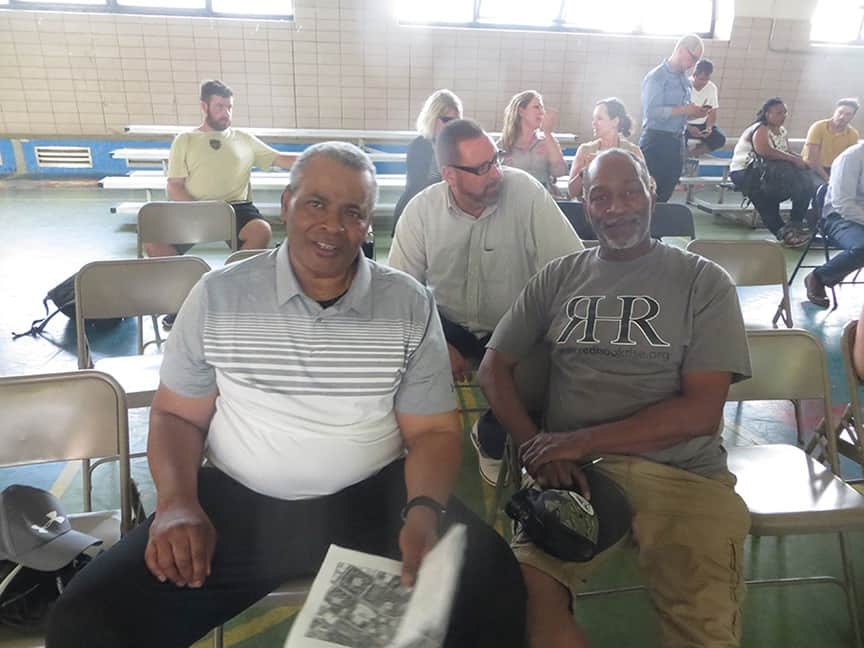
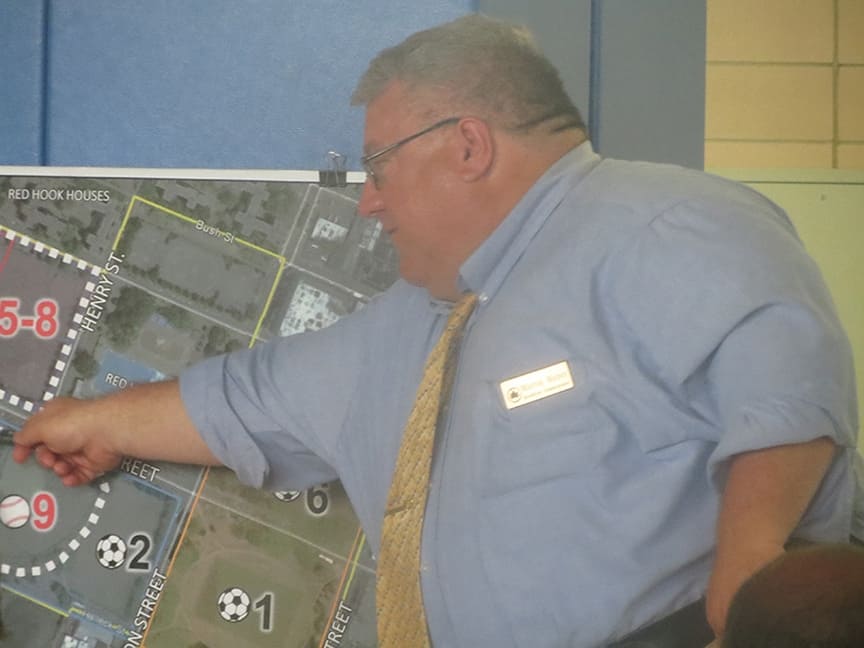
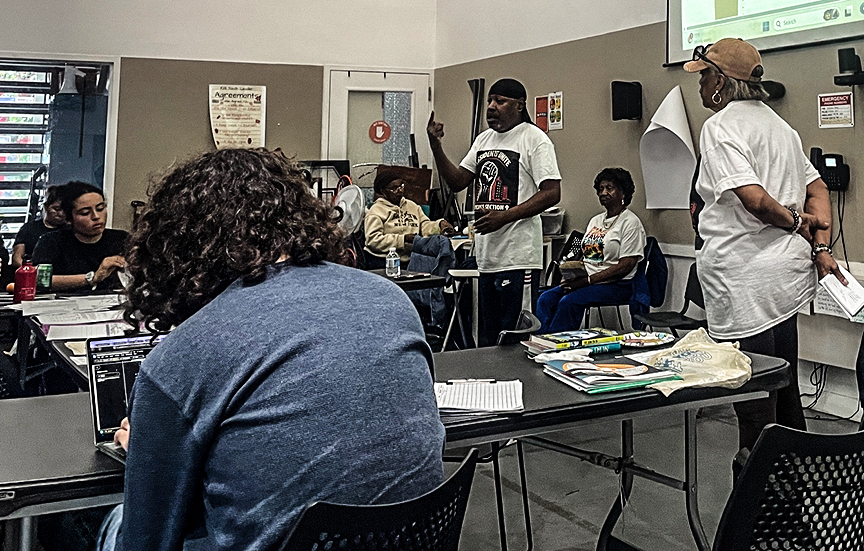
At a public meeting held at the Red Hook Rec Center on June 13, the EPA and the Parks Department presented a community update. New Brooklyn Parks Commissioner Marty Maher openly addressed the frustrations felt by park users and went to great lengths to explain why the fields remain fenced off, with no evident work being done.
The fields are shut because of the danger from the lead. Behind the scenes, the city, under supervision from the EPA, has been preparing extensive plans for reconstruction of the fields.
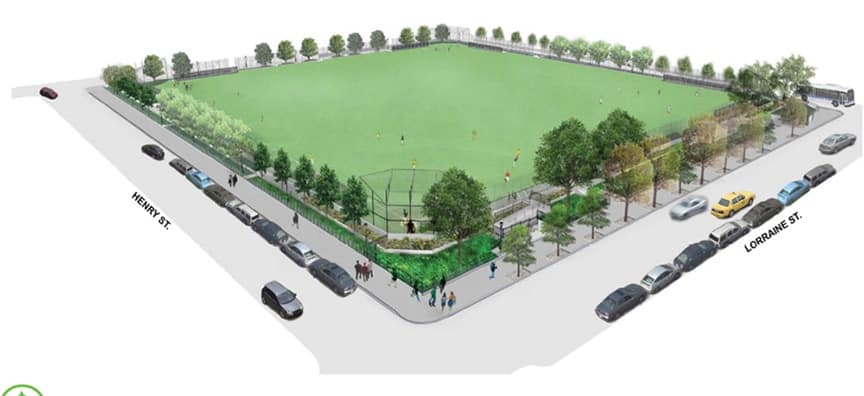
The plans for fields 5-8 have already been completed and approved, and now contractors are being sought to do the work. In addition to the toxic remediation, the plans also include flood protection. The fields will be raised a minimum of three feet, and a state-of-the-art artificial grass surface will be installed.
In addition to approvals for the plans and the vendors, permits have to be applied for and granted from many city agencies, including the Departments of Transportation, Buildings, and Environmental Protection. In addition, approvals have to be granted from the Parks Department, Community Board, Public Design
Commission, and the EPA. Finally, the budget must be approved by the Comptroller’s office. This all adds time to the process, but is all necessary for a long-lasting solution.
The plans were approved this month, but the paperwork and procurement will take another year. Construction will only begin next spring, and the fields are scheduled to be reopened in the fall of 2019. EPA oversight should ensure that things follow this schedule – and regular public meetings such as the June 13 meeting – will continue to keep the community informed.
Ballfield 9 and soccer field 2, which are less contaminated and are open and in use during the interim, are next to undergo renovation. These fields will be closed when fields 5-8 reopen, and remain under construction for two years.
The situation around the remaining closed fields, which include the soccer field inside the track, and the ballfields south of it, as well as the soccer fields between Court and Clinton, is less clear.
It was evident from the presentation that the agencies have yet to focus on those final fields to be redone, but the hope is that everything will be open by 2023 – or at least six years from now.
Our industrial legacy has left behind pollution trails throughout the country. It is a tribute to the press that it took research by a newspaper to spur remediation in our neighborhood.
Author

Discover more from Red Hook Star-Revue
Subscribe to get the latest posts sent to your email.

One Comment
I PLAYED ON EVERY ONE OF THOSE FIELDS AS A CHILD . I SWAM IN THE POOL ACROSS THE STREET EVERY SUMMER DAY.AND LET US NOT FORGET THE RED HOOK PARK ON CLINTON ST. NEXT TO THE PROJECTS. NOBODY HAD A BETTER CHILDHOOD .P