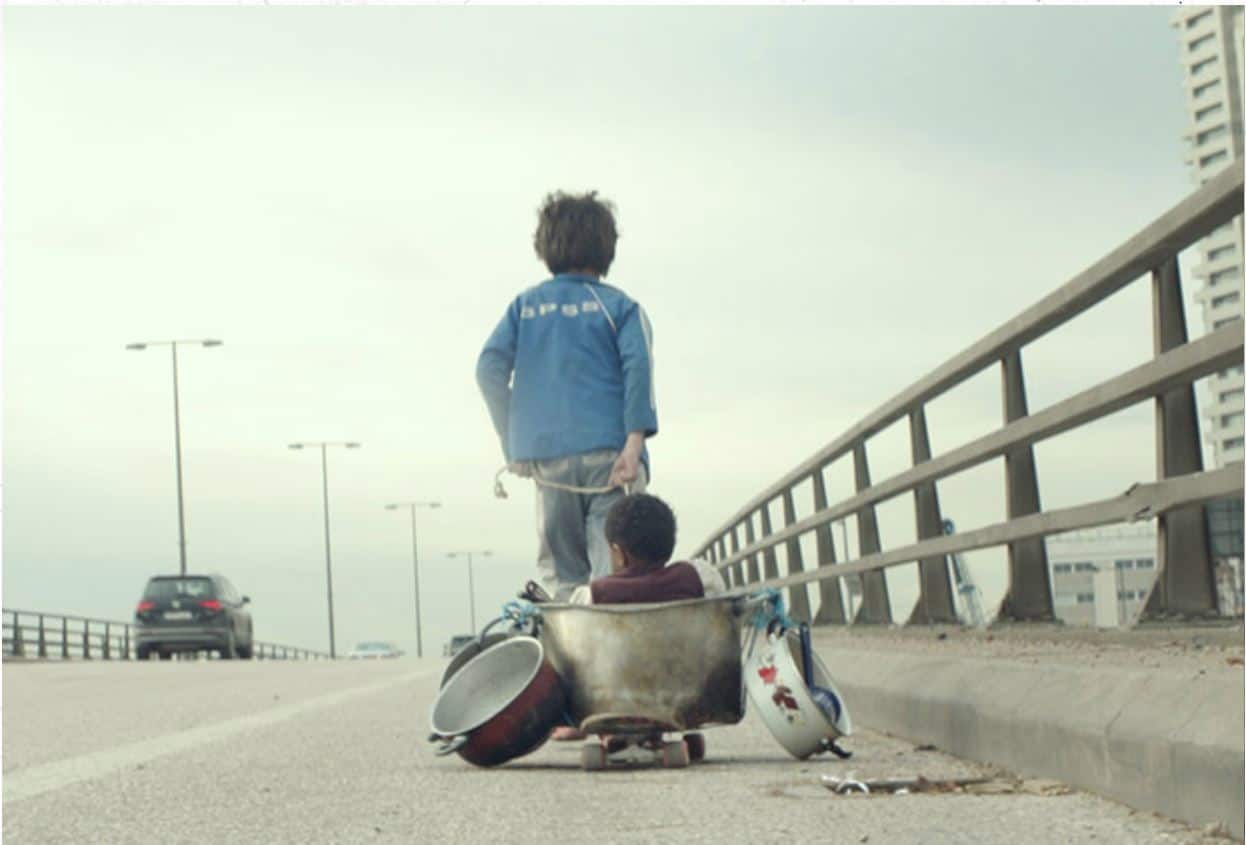
The title “Capernaum” (Capharaüm) comes from the Biblical city condemned to hell in the book of Matthew. The film is set in Beirut, a city also without order or peace. And certainly without mercy. The resulting chaos swirls in a world created by Nadine Labaki, one of harrowing circumstances, brought to life by the honesty and charisma of one little boy.
The main character, a 12-year-old named Zain played by Zainal Rafeea, is the linchpin of the entire film. The story seems to rush through his blood, his entire being wrapped up in the character of Zain. We meet him and his parents in a courtroom in the opening scene, as he attempts to sue them for allowing him to be born. What unfolds is an argument spelled out in perpetual motion, unwinding in tempo, in defense of his shocking claim.
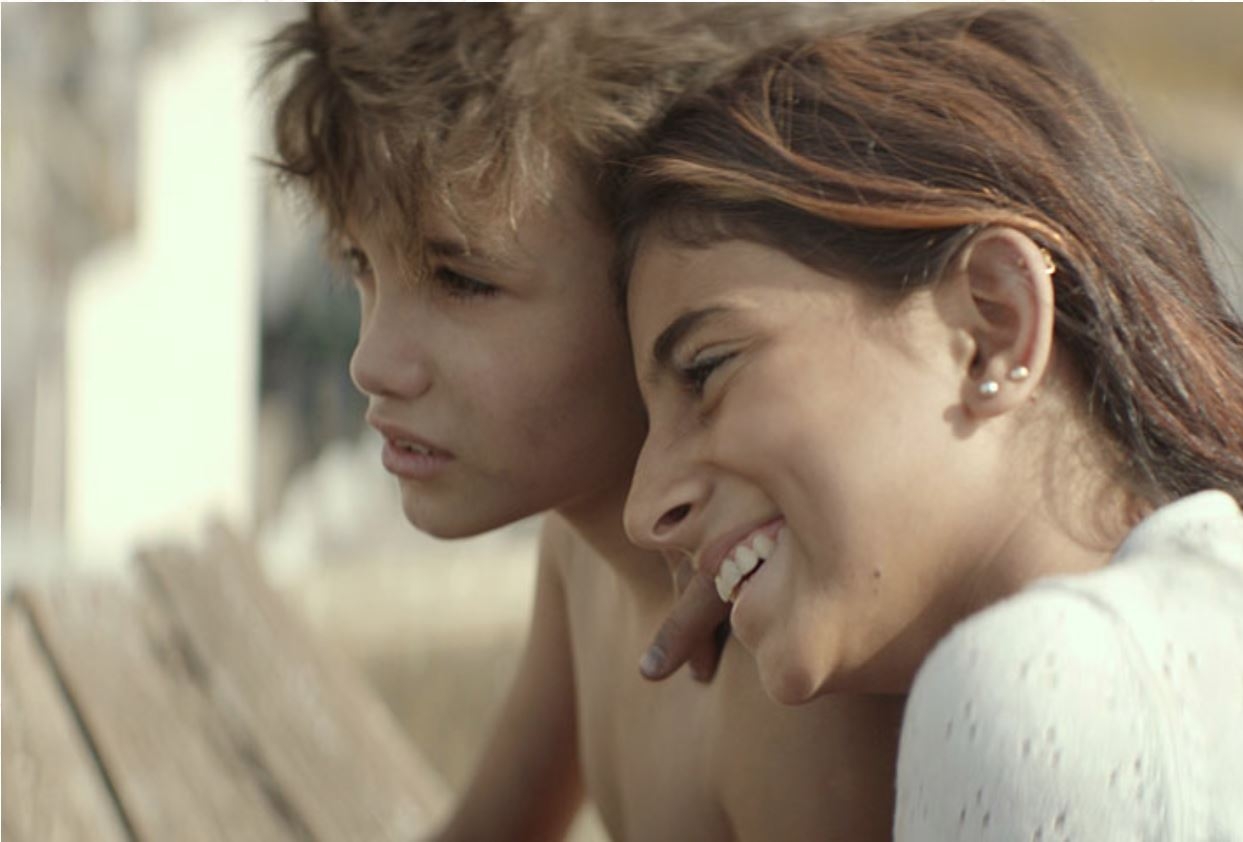
Dripping in empathy, the story hinges on human interaction, soaring moments of compassion and dark flashes of evil only free will can inspire. Overhead shots place the viewer directly in the center of the dire reality of Lebanese life. Crouching, lithe shots move the viewer on the streets with Zain. His observant nature becomes that of the audience, his furrowed brow and imitated adult gestures to veil whatever childlike innocence is left set the scene. The loss of his young sister to a marriage in exchange for a few chickens compels him to leave and forge a life of his own. The family he creates, with an Ethiopian refugee, Rahil, and her baby, Yonas, proves to be a thing worth staying for.
The film is an odyssey, certainly. At times, it feels like such, dwelling on dire scenes for almost an uncomfortable duration, but by the end, the audience’s fifteen minute standing ovation at Cannes feels too short. The time frame can be hard to work out, the plot loose in some areas, but the genius of the work shines through these cracks. It’s in the end, the promise of a childhood restored, that the viewer finds herself exhaling properly for the first time in roughly two hours. It is an anthem of resilience, a dictum of human struggle, and in the end, a hope for compassion.
Discover more from Red Hook Star-Revue
Subscribe to get the latest posts sent to your email.