
Vice
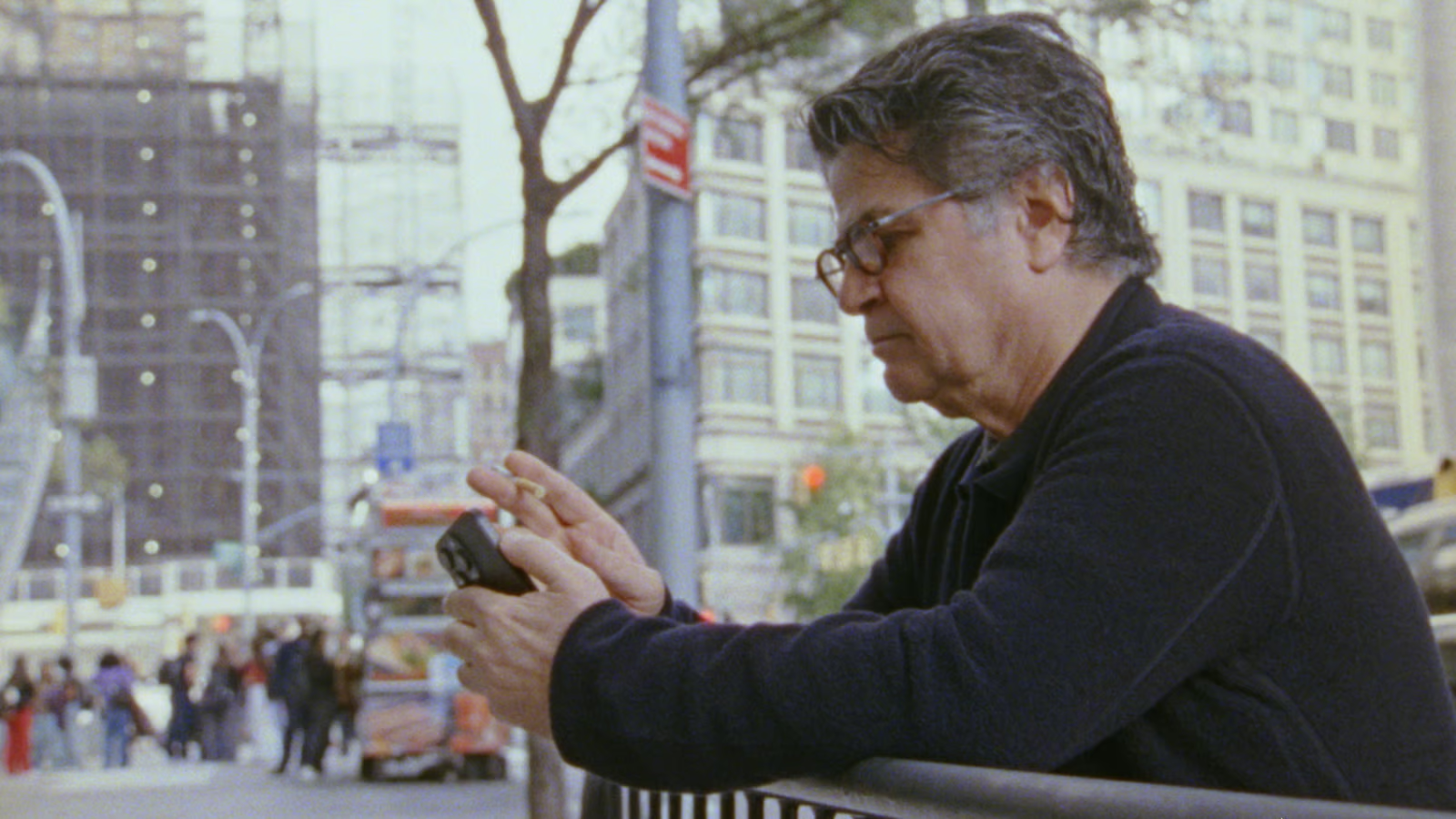
Adam Mckay’s latest film “Vice” begins with a dramatically posed question from an unspecified narrator: how is a man like Dick Cheney (played by Christian Bale)- a man who as the vice-president expanded executive power and drastically increased America’s foreign influence almost invisibly-made?
For all its initial emphasis on Cheney’s subtlety and self-erasure from politics, the film mirrors none of that in its telling of the story. Nor does it really even broach the subject of Cheney’s evolution into a seemingly amoral demagogue, despite promising to do so in the first scene. What follows is two hours of a heavy-handed, superficial, box-ticking account of Dick Cheney’s political career, from his expulsion from Yale to the beginnings of his long-standing relationship with Donald Rumsfeld in the Nixon administration, to his role as vice-president from 2000 to 2008. If that sounds like a lot to cover, it’s because it is.
Like Martin Scorsese’s unconscionable three-hour re-telling of the crimes committed by penny-stockbroker Jordan Belfort in The Wolf of Wall Street, Mckay’s film doesn’t constitute any sort of critique of Cheney’s actions. It simply airs them, despite the fact that much of the history is (very recent) public record. Rather than engage with the multitude of sins Cheney committed during his long career in politics, the film simply assumes that viewers vaguely agree that things done in the Bush administration were “bad” and moves on. The entire film is an ironic wink to the audience – it doesn’t feel obligated to convince anyone.
Cold War
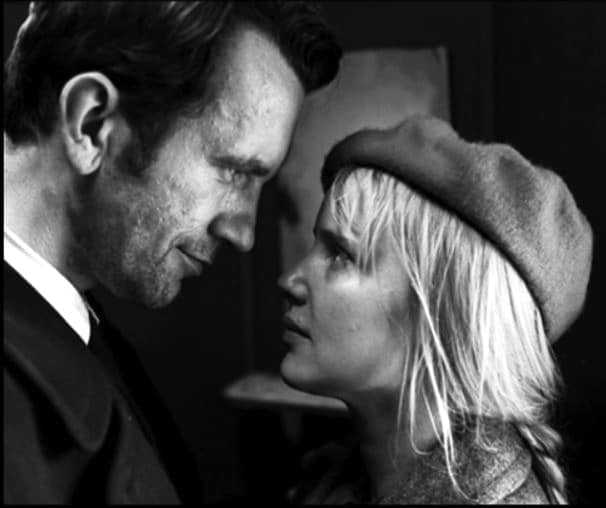
In contrast to the dogmatic politics dominating “Vice,” the Polish film “Cold War,” written and directed by Pawel Pawlikowski and filmed in black and white, unfolds in shades of gray.
It’s a love story, plain and simple, between an uneducated, uncultured country girl and an accomplished, classically trained pianist and composer. When Wiktor, the composer decides to flee Poland rather than be subjugated to the government’s “requests” for what is essentially communist propaganda, he arranges for Zula to accompany him. She stands him up. “Love is love, and that’s that,” he says years later when they meet in Paris. Simple. Black and white.
But Zula responds that she’s certain she couldn’t have escaped without him and of course she’s right. The massive political complexities that dominated the world order throughout the Cold War constantly foil the lovers’ attempts to reunite, to live together, to simply love each other. Because love is definitely not just love.
When Zula finally joins Wiktor in Paris (via a marriage to a Sicilian, which allowed her to emigrate legally) she realizes, even if Wiktor does not, that her lover of former artistic integrity has traded subjugation to communist powers for capitalist ones. He is slavishly obsequious to those that have access to capital and influence and worries constantly about how they perceive him and Zula.
She is Polish, of the country and he belongs more to his art. They both belong to each other, but it’s not enough to uproot them from their other identities and of course not! Their polarities propel them together even as they drive them apart.
Author

Discover more from Red Hook Star-Revue
Subscribe to get the latest posts sent to your email.