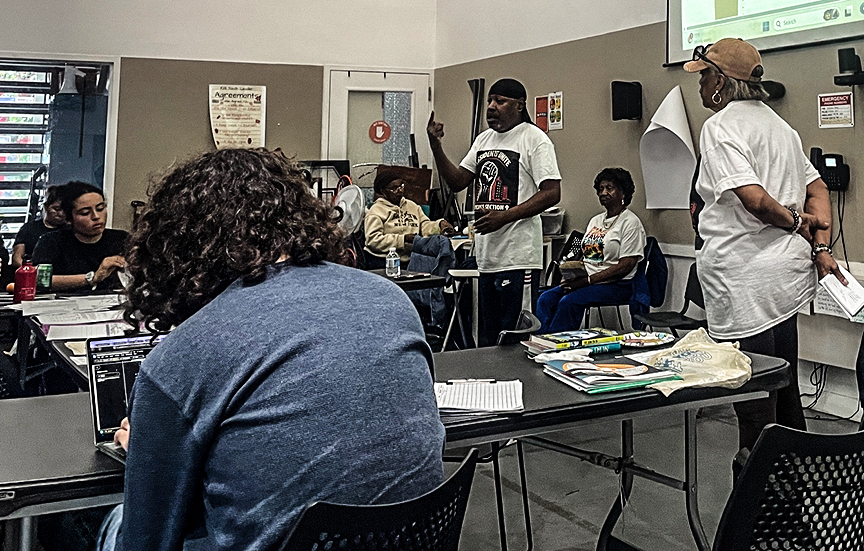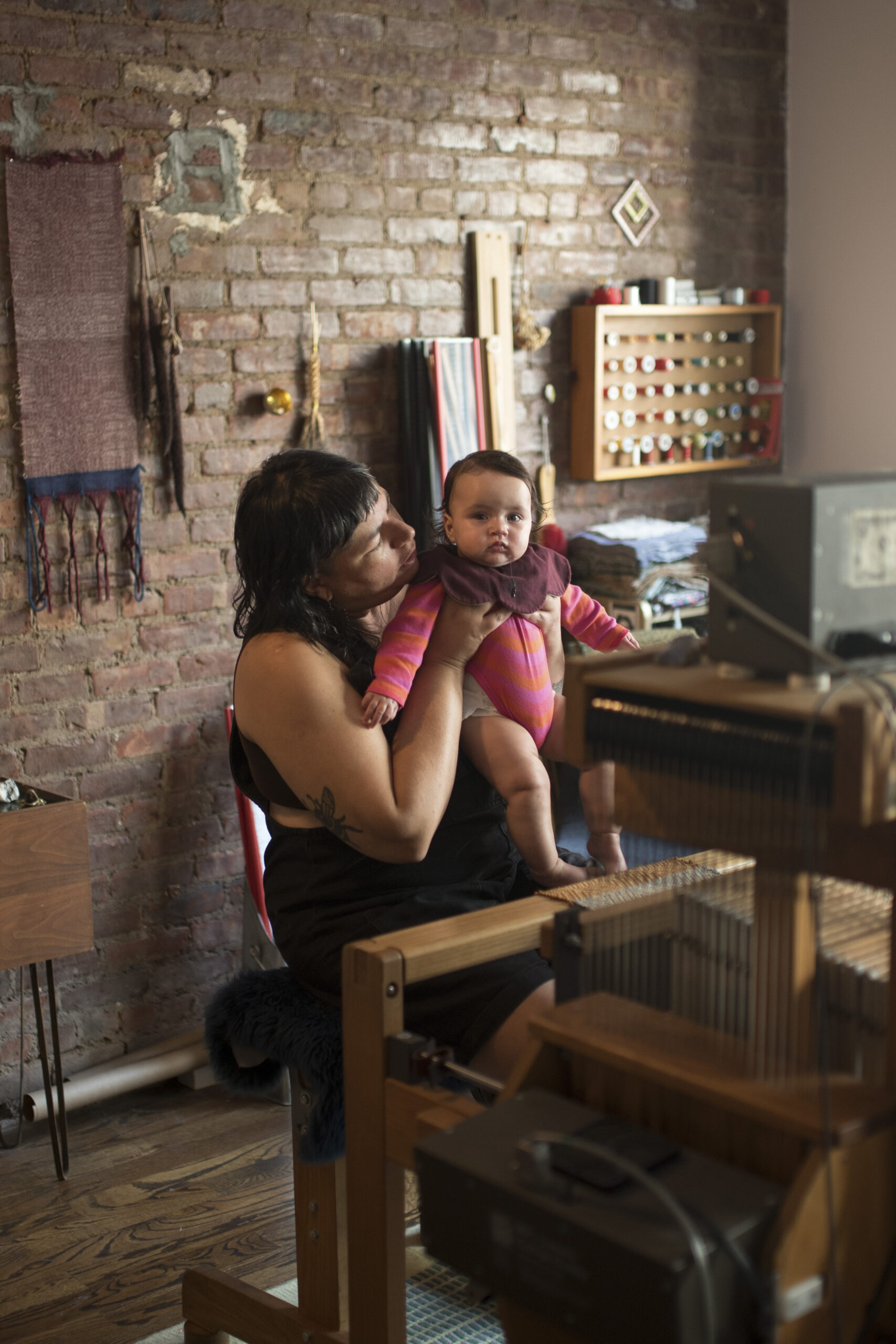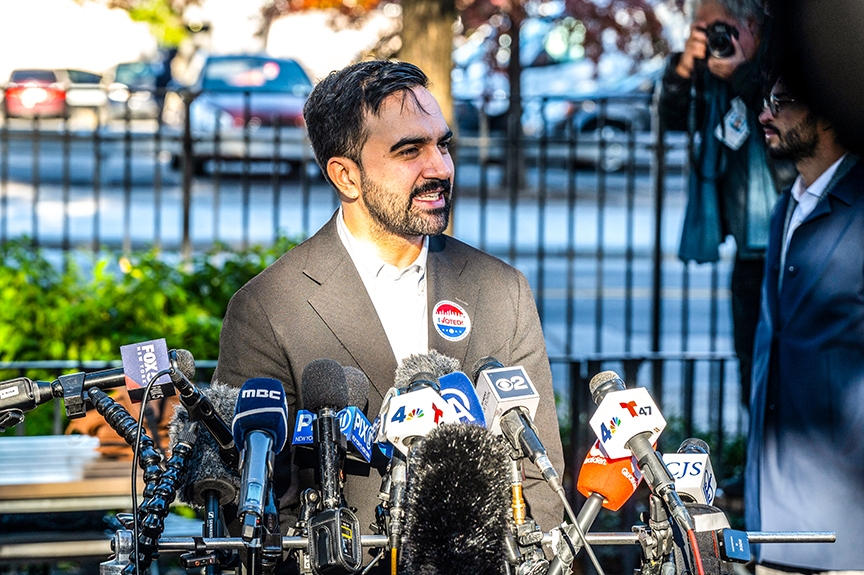
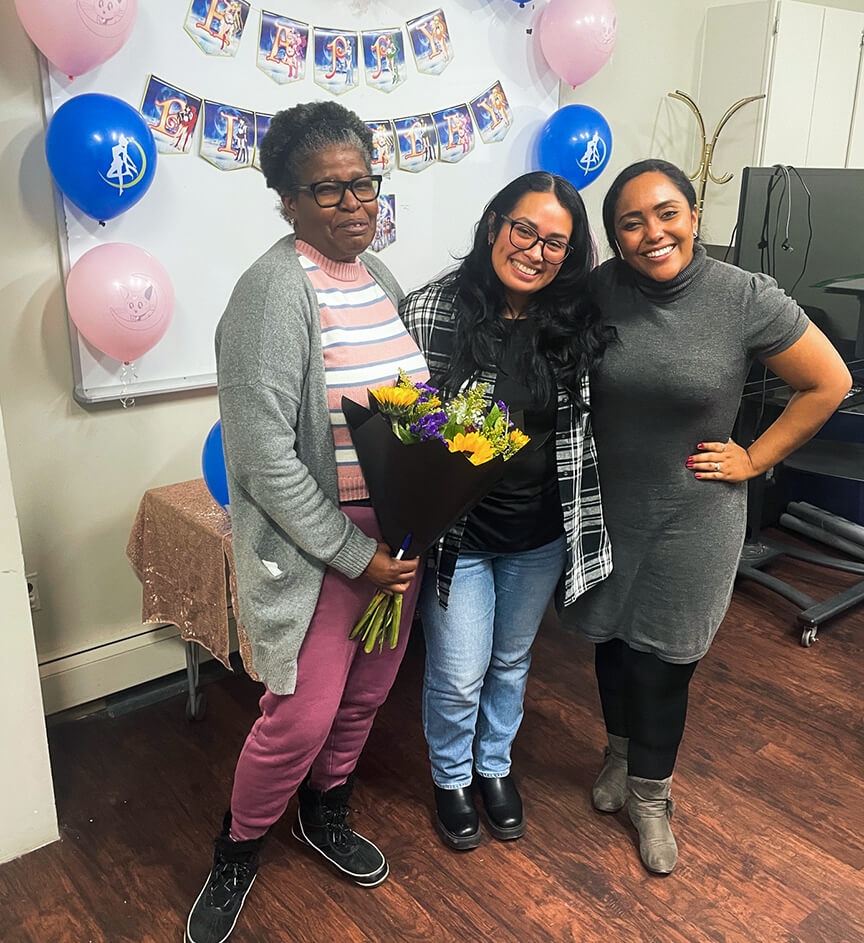
The Carroll Gardens Nanny Association (CGNA) is working to raise the standards in the domestic work industry. Rosemary Martinez, Wendy Guerrero, and Charon Best are all a part of the CGNA with Martinez working as a domestic worker organizer and Guerrero working as a program coordinator.
All three have in common that they all did domestic work after moving to New York. Martinez was born in the US but spent her childhood in El Salvador, while Guerrero is originally from Colombia, and Best from Haiti.
“I think working without having all of the information and being educated is a hard experience,” Guerrero said. “I didn’t have family here so I had to figure things out myself and struggled with work until I found this organization. I was working before as a nanny. I was not paid the minimum rate for New York City, and I didn’t have any vacations or sick days and I was always afraid that I would lose the job.”
“I was a house cleaner before,” said Martinez. “I never thought about having rights in the workplace. I faced many situations with no compensation, no overtime, and making less than minimum wage. In my case, it was hard to say at the end of the week that I deserved overtime and needed to be paid. I never said anything because as an immigrant, I was afraid of losing the job.”
Best worked as a nanny and had a similar experience. Employers wanted her to cook, and take care of the children as well as the family’s pets for very low wages. Additionally, in one instance, Guerrero was working as a nanny and did not receive pay for one week. She was then fired but promised the pay. She showed up three times but the former employers refused to open the door.
That situation is a common one according to Guerrero and it is also common for nannies to be fired because they get sick.
“When you start asking questions, you find out that they were working a lot of hours and they never asked for a sick day and then as soon as they got sick, they get fired,” she said.
Guerrero found out about CGNA from another nanny while taking one of the children she cared for on a playdate. After that, she started taking the CGNA classes. She then had the opportunity to become a CGNA trainer and calls it a “blessing” because she loves teaching people. It is actually a big responsiblity to be such a big part of a youngster’s life. It is important to learn how to best mentor the children. She started off with a part-time role with the CGNA and now has a full-time role there.
“I learned about it from someone in my church,” Martinez said. “I used my savings from my husband and my mom to pay for the registration. I went from taking the training to being a trainer and helping organize events. I’ve been here for three years now.”
There were 1,150 participants in the training classes during the year, and both Guerrero and Martinez were proud to see the growth in the people who were involved.
“I think it’s normal for people to be afraid but by having classes and getting educated, I think people are learning that they don’t have to be afraid and that they have rights,” Martinez said.
The CGNA training includes skills training, health and safety on the job, negotiation training, as well as learning CPR and first aid. Services include legal support with immigration, housing, and workplace issues as well as one-on-one support, helping with resumes, and interview practice.
“I try to build relationships with people who are in the same position I was in,” Best said. “My message is treat your nannies better. While parents are out working, nannies are taking care of the children and helping them. Even if you don’t treat nannies as part of the family, treat them with the same respect that you are treated with at work. Give them the same understanding. It’s a profession. It’s a hard job and they deserve to be shown a sense of worth.”
One of the frustrating issues in the domestic work industry is a lack of respect and professionalism shown to workers including nannies and house cleaners. It is not acceptable to not allow for sick days or vacation days. It is not acceptable to refuse to pay workers on time. Domestic workers provide an important service for their employers and they deserve the same respect that is shown to employees in other fields.
“Domestic work needs to be more dignified and workers be more respectful,” Martinez said.
Guerrero, Martinez, and Best all believe that education is key to empowering domestic workers and the CGNA has been able to empower thousands of domestic workers.
Author

Discover more from Red Hook Star-Revue
Subscribe to get the latest posts sent to your email.