
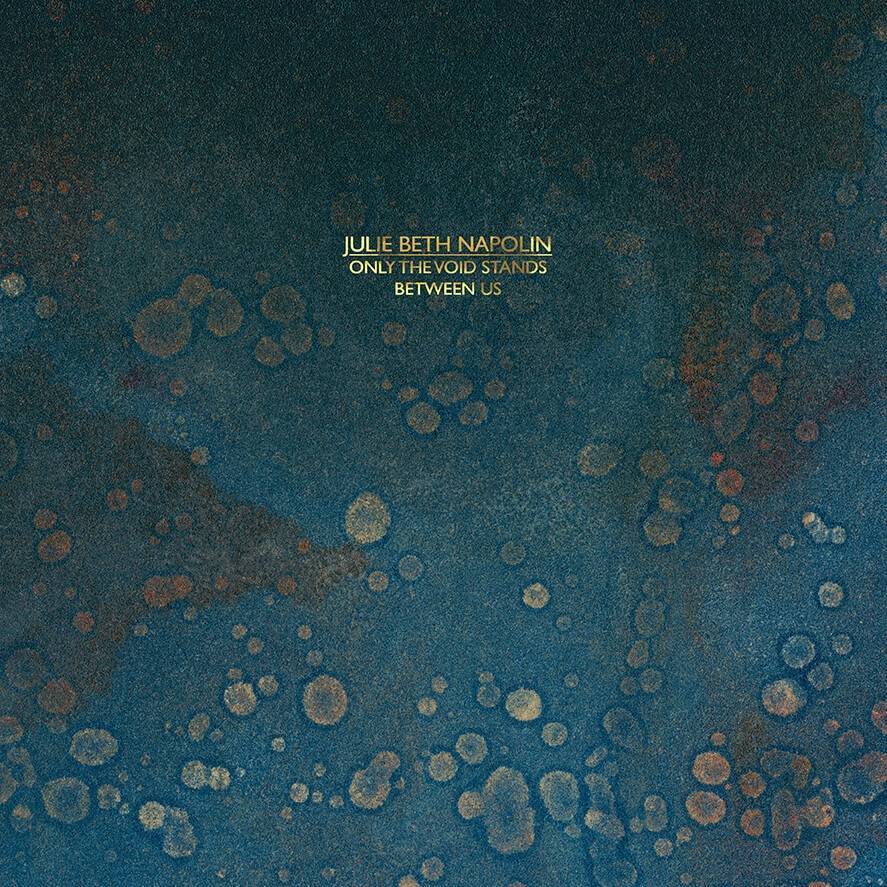
Smart, simple pleasures. On Only the Void Stands Between Us (LP and download released last month by Silver Current Records), Julie Beth Napolin sings of distance and intimacy. She sings quizzically of a fire coming to burn, it seems, those who don’t deserve to survive, and she sings very directly about praying for the living and the dead. In other realms, Napolin teaches and writes about sound and literature, but on her debut solo album, her heart is bare on her sleeve. It’s a ruminative album; Napolin waxes philosophical without issuing a treatise. She takes three of the tracks alone, accompanying herself with guitar and adding flute to the cryptic “Sawdust,” in which she seems to be losing someone to apocalyptic obsessions. The other four feature a handful of guests—including Tom Carter (Charalambides) on guitar and David First (the Notekillers) on synth, but the album is built around Napolin’s present and haunting voice. The closing “Heaven and Earth,” begins with a three-line incantation and carries on for close to 10 minutes with variations on a simple guitar progression, landing somewhere between her time with San Francisco’s Citay and later recordings by high priestess Patti Smith—strong but small within the void.
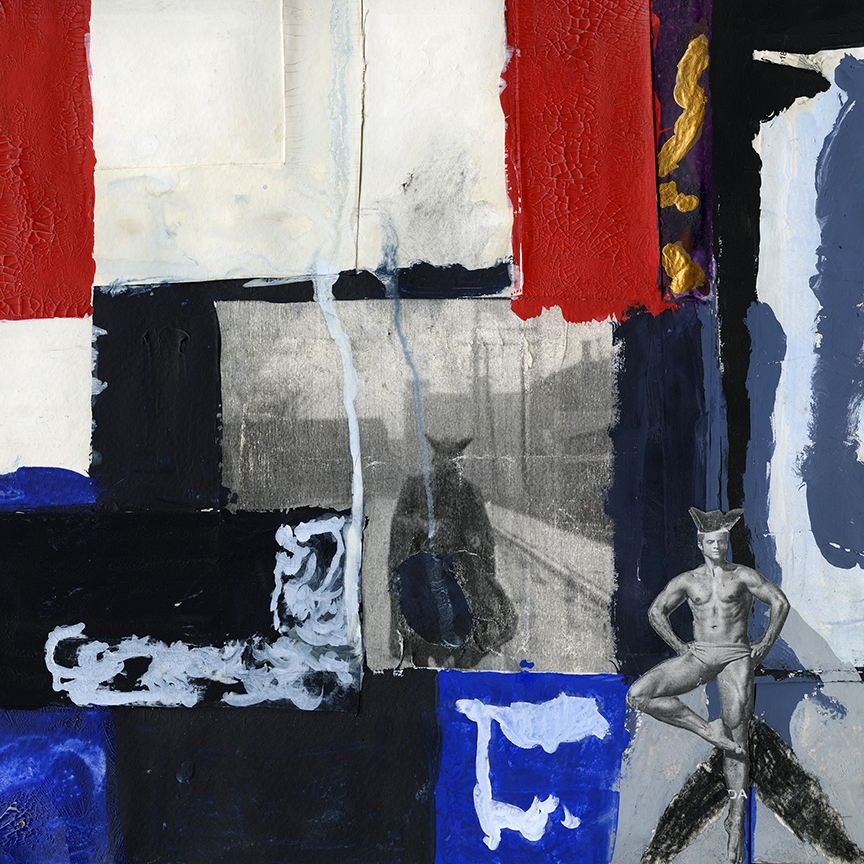 People estranged. The first words poet Johnny Coley speaks on his Mister Sweet Whisper (LP and download out last month from Mississippi Records) are “People like me, it was my dream when I was young that I would find people like me.” The setting isn’t his Alabama home but Victorian London, although it feels universal. “The creatures I encounter treat me as equally monstrous. We deploy elaborate, unspoken civility.” Coley’s previous album, 2002’s Landscape Man, was edgier in performance and production, for no better nor worse. With easy, bluesy guitar and ringing keyboards, Mister Sweet Whisper sounds something like a deep south Doors, vamping behind the drawl of his storytelling. It’s a bigger band, though, with sax and vibraphone, and the text isn’t so bloated and grandiose. Coley tells extemporaneous tales with a humility born of alienation that, ironically, invites you in; We’re together in our loneliness. At 74, he speaks with a weary wisdom and an understated humor. In the final “Dancin Like an Assassin,” he finds himself unwittingly employed as a nude dancer at a nightclub, observing his surroundings and the revelry of the patrons while downplaying the unlikely scenario, eventually coming to enjoy his new job. Coley is easy to listen to and easy to like. The Landscape Man was someone with whom you could kill a fifth. Mister Whisper is someone I’d gladly join for too much coffee.
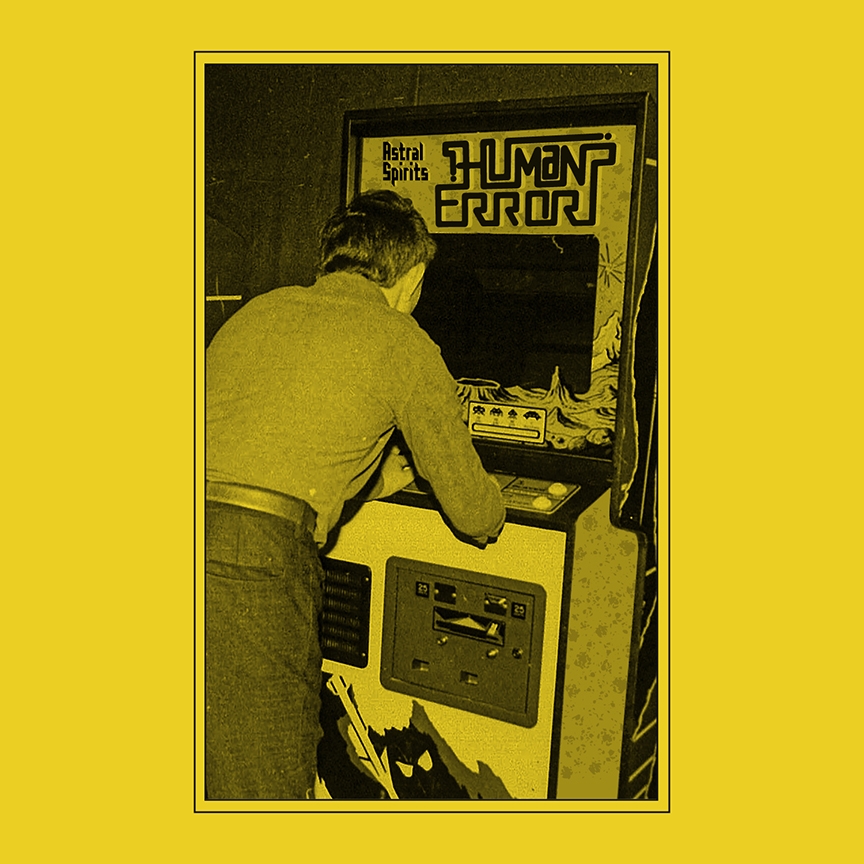 To Glitch is Human. The best way to listen Human Error is to put the mood before the backstory. The 11 instrumental tracks on the self-titled debut (cassette and download from Astral Spirits last month) are heavily syncopated, largely computer-generated and joyful through and through. It’s conceived as an album for youth and comes off like an updating of Gershon Kingsley’s 1969 “Pop Corn”—made famous by Hot Butter in 1972—or Bruce Haack’s 1967 The Way-Out Record for Children. (Haack performed his electronic music for its target audience on a 1968 episode of Mr. Roger’s Neighborhood that’s well worth a quick search.)
Human Error is the work of Jeremy Barnes (Neutral Milk Hotel, A Hawk and a Hacksaw) and was developed while teaching music to incarcerated teens at the New Mexico Youth Diagnostic Development Center in Albuquerque and to young refugees relocated from Afghanistan, Iraq, Syria and Tanzania. While his target audience might be a bit older than Haack’s, there’s a similar aesthetic and spirit at play. The music is computer-based because that’s what youth in the detention center have access to. Barnes relies heavily on sequenced patterns and digital sounds, not aiming to sound like acoustic instruments. The compositions and recordings began in a detention cell with mattresses propped up as sound isolation booths, and were later fleshed out (somewhat literally) in Barnes’s home studio. The final results aren’t intended to depict the harsh conditions of detention centers or the trials of fleeing a homeland in turmoil, they’re meant to show how music can uplift. And in so doing, it does.
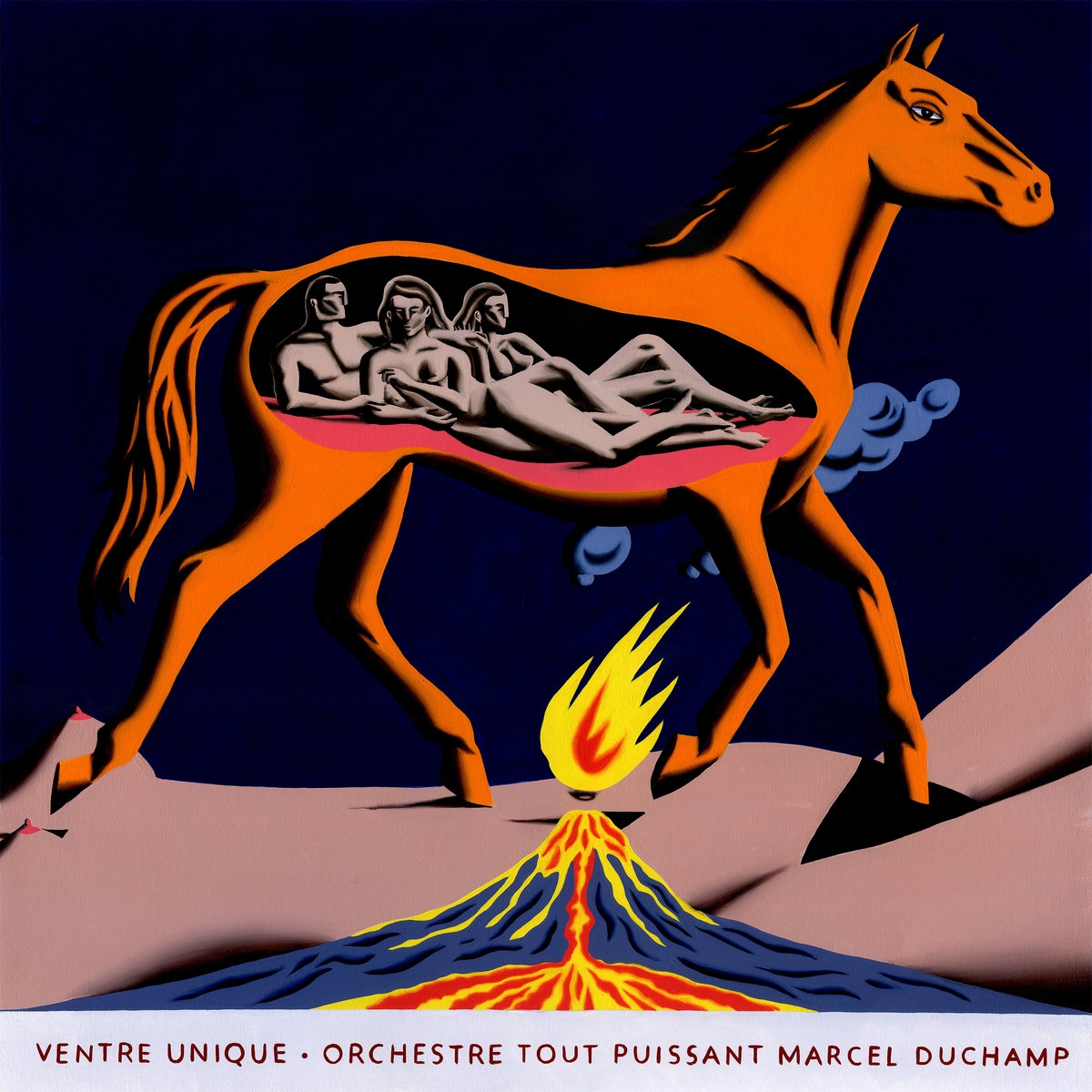 Readymade pop for cosmopolitan travelers. Vincent Bertholet brings a world of influence under his little orchestra’s tent. Coming out of Geneva’s punk and squat scenes with street-smarts and rebellious spirits, Orchestre Tout Puissant Marcel Duchamp works from a foundation of Afropop rhythms and brass with gritty distorted guitars shooting above. Ventre unique (CD, LP and download jointly released last month by Les Disques Bongo Joe and Red Wig) is the ensemble’s sixth album, with Bertholet being the only constant member. The orchestra here includes bugle and trombone; viola, cello and Bertholet’s bass; and pairs of guitar, marimba and drums. Three singers, plus all of the instrumentalists adding vocals, gives the infectious and furious album a strong collective feeling.
Their previous We’re OK But We’re Lost Anyway was a pandemic project, steeped in desperation. This time around, the Bertholet and co. set out to find commonality and community—but that doesn’t mean they’re content with the world. The French lyrics to “Coagule (Octobre)” translate (in part) as “It’s a rather novel form of sadness/the extinction of the species […] For the moment, we’re coagulating into a single womb, coalescing around a common dream.” Not a cheery message but at least we’re in this together. “Breath (Happy 5)” repeats (in English) over bright horns “I’ve been working so hard, I’ve been working so.” It’s not quite a chorus, more like a cry. And “Color,” the album’s advance track, revolves around a chant that “we” aren’t transparent or neutral while questioning the notion of a “right” skin color. Despite it all, Orchestre Tout Puissant Marcel Duchamp manages a small party with a little bit of a carnival going on. Somehow they manage something positive, a defiant optimism in spite of troubled times.
Author

Discover more from Red Hook Star-Revue
Subscribe to get the latest posts sent to your email.