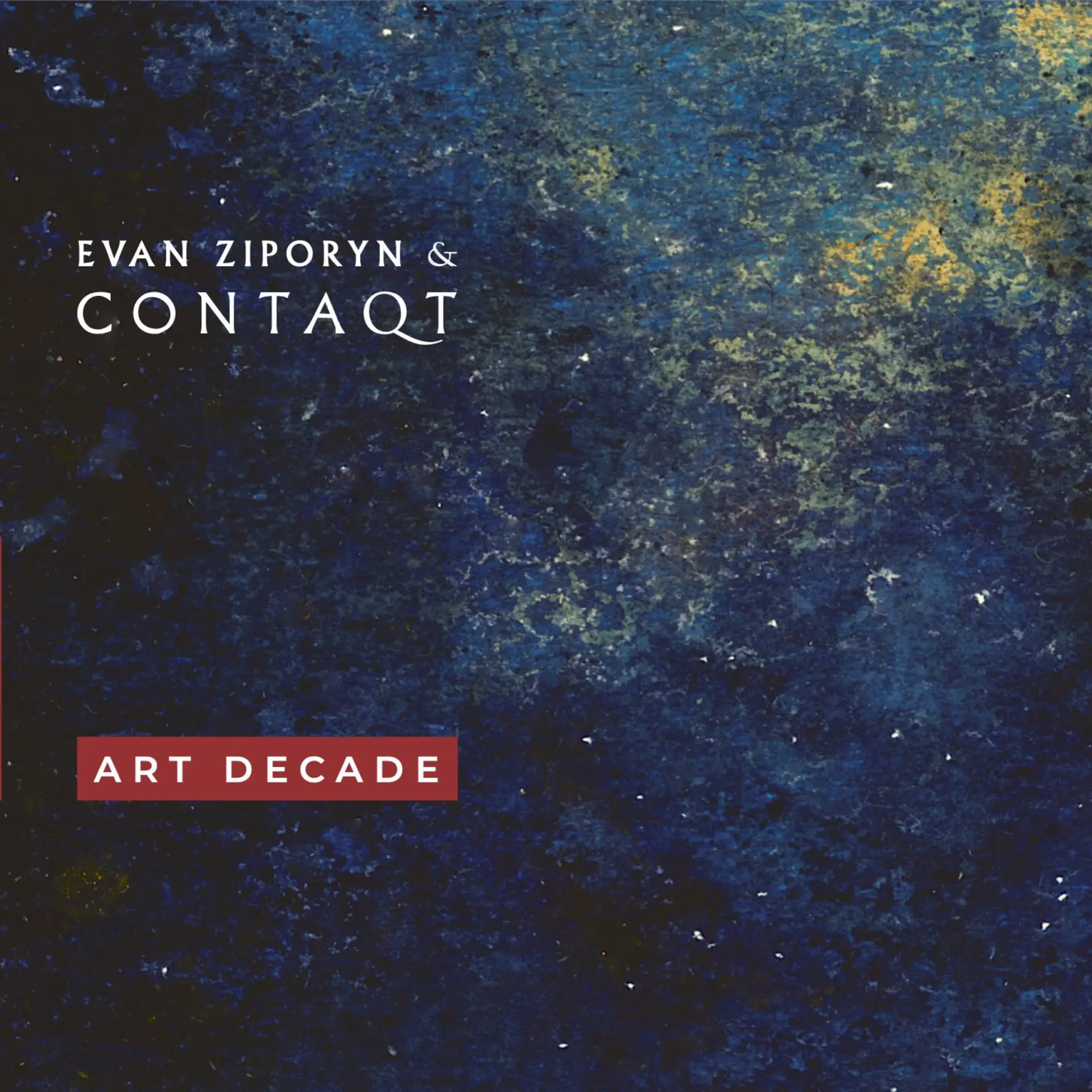
Encumbrance of things past. Of the many, many tributes to David Bowie in the years following his 2016 departure, one of the deepest was Bowie Cello Symphonic: Blackstar, an instrumental interpretation of Bowie’s final album by cellist Maya Beiser with the Ambient Orchestra. Beiser is a goth-classical goddess and got much of the attention for that album, but just as much credit was due to the album’s arranger (and Beiser’s fellow Bang on a Can All-Stars alum) Evan Ziporyn. A new album finds Ziporyn turning to three earlier Bowie compositions, and nestling them in a suite of works by 1970s contemporaries Harold Budd, Brian Eno and Robert Fripp. Taking its title from another Bowie instrumental, Art Decade (CD, digital out last month from Bang on a Can’s Cantaloupe imprint) is a gorgeous, 7-part suite with the Canadian ensemble ContaQt. Ziporyn is again the primary arranger but this time out his clarinet is at the forefront. The arrangements are fairly faithful to the originals; the orchestrations are sublime much of the time. The Bowie titles (“Moss Garden,” “Sense of Doubt” and “Neuköln”) are the three instrumental tracks from his 1977 album “Heroes”, kept as a block and in their proper playing order. As acoustic pieces, they’re wonderful. The album opens with “Red,” written by Fripp for King Crimson. Ziporyn and drummer Jerry Pergolesi don’t shy away from the heavy prog rock of the original, but it’s Pergolesi’s other Crimson arrangement, “Lark’s Tongues in Aspic (Part II)” that really takes flight, thanks in no small part to guitarist Andrew Noseworthy (a busy fellow but his hardcore duo This Place is Actually the Worst is worth looking up). The album concludes with a lovely violin-centric take on the Fripp & Eno instrumental “Evening Star.” Art Decade is a nostalgia trip for sure, but it’s the trip those artists deserve, as do the fans.
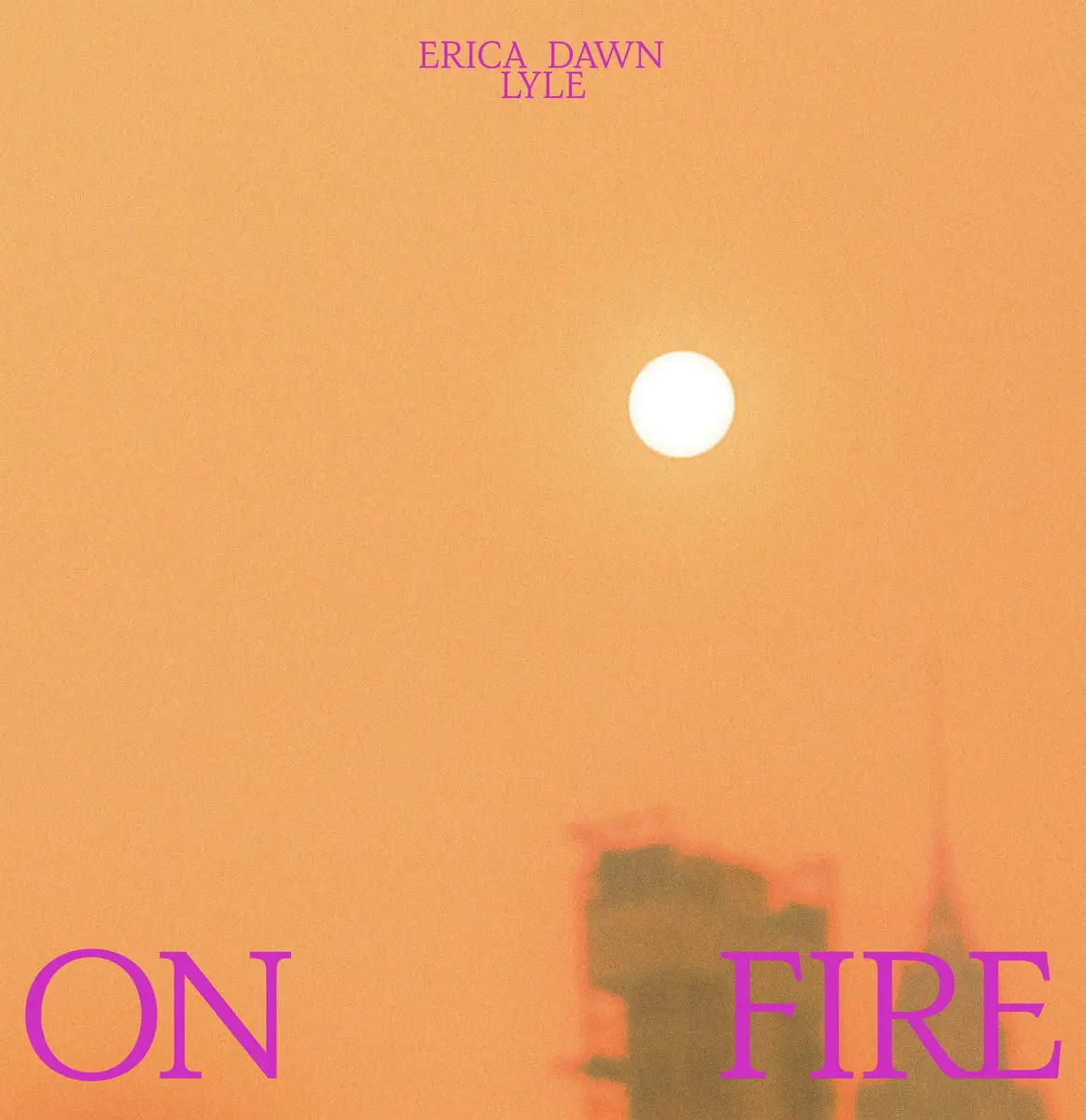
Right around the time all those clever Brits were making rock’n’roll into dinner music, a band from Pasadena was setting a course for the next generation of musical upstarts. Van Halen’s first album came out just four months after Bowie’s “Heroes”, dead set to make rock fun again. Guitarist Erica Dawn Lyle (who has worked with Sonic Youth’s Kim Gordon and was a touring member of Bikini Kill) has laid claim to that album’s closing track as a two-part, 25-minute freak out. Playing “On Fire” as an extended improvisation in her live sets, Lyle found room for radical interpretation, not just of the music but of the meaning. It became a trans anthem, a soundtrack to the California fires and a tribute to Aaron Bushnell, a senior airman in the United States Air Force who on February 25, 2024, set himself on fire outside the Israeli embassy in Washington DC to protest what he described as genocide in Palestine. Lyle saw a world on fire and yelled through her guitar. On Fire (LP, download out last month on Feeding Tube Records) features two takes on the song that work well as a single arc. Before it’s over, she does sing the song, bringing in her own drums and multi-tracking her voice, but most of the record is a layered, solo jam from the extended acid rock playbook. Van Halen’s original song was a hollow bit of aspirational bravado and didn’t try to be anything else. Despite the gravity in which Lyle’s reimagining is steeped, it manages to keep spirits high, maybe burning but not yet burnt out.
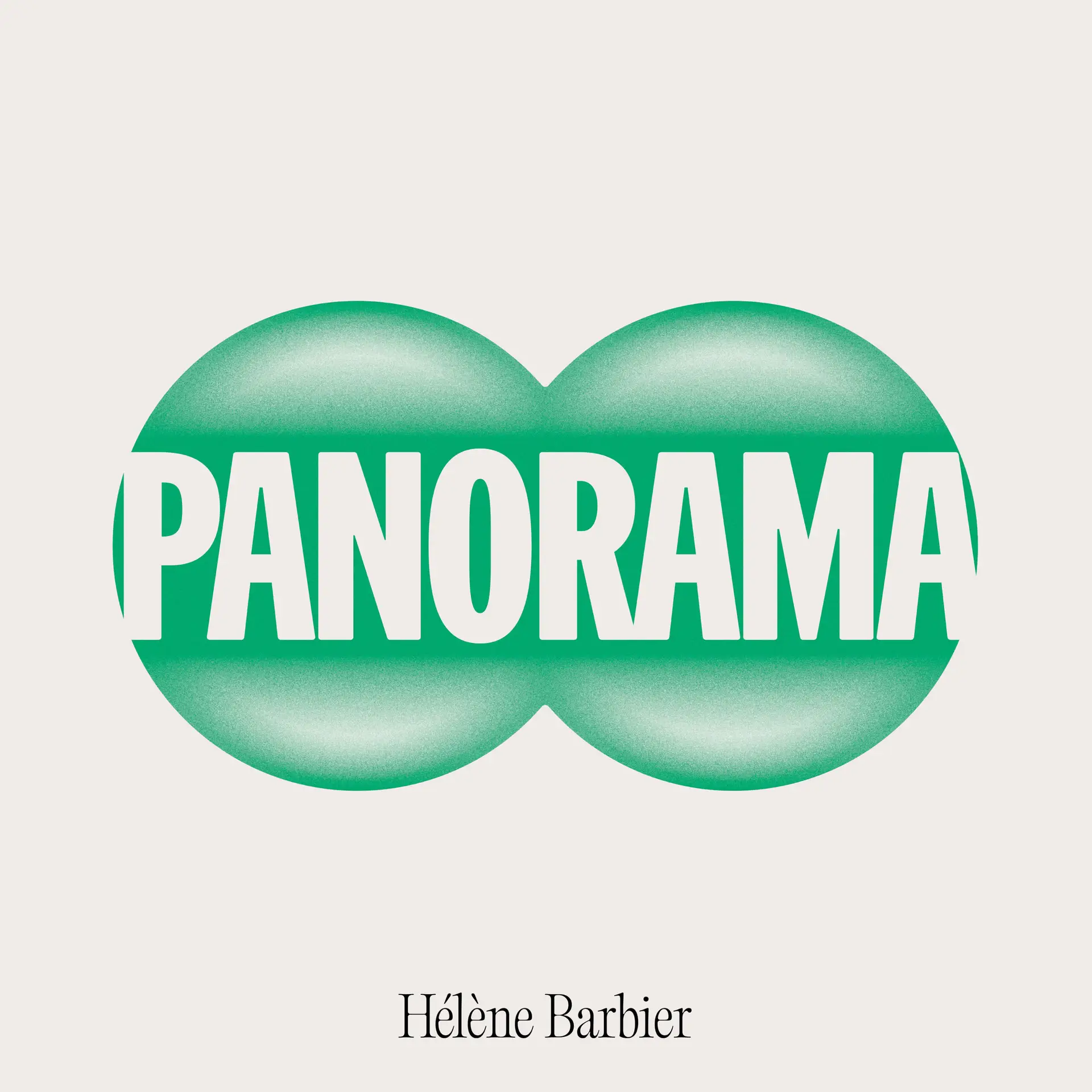
Savoir-faire is everywhere. Hailing from France but now based in Montreal, Hélène Barbier provides distraction from dystopian dirge. Her new Panorama (LP, CD, download out Nov. 14 from Bonsound) comes with strong vibes of 1960s French pop. It takes more than two to make a trend, of course, but after Kit Sebastian’s 2024 New Internationale and a handful of singles since, the prospect of a second wave yé-yé movement is promising. And it may be fair to say that yé-yé never went away. The music is perfectly precious enough to drop into Wes Anderson, Quentin Tarintino and Mad Men soundtracks. But that’s all retro charm. K&S and Barbier bring contemporary production and compositional sophistication to the 1960’s bubblegum of the likes of France Gall and Françoise Hardy and the smirking innuendo of singer/songwriter/producer Serge Gainsbourg. Panorama isn’t all sunshine, lollipops and rainbows; there’s a dark undercurrent running through some of the lyrics and an edge to Joe Chamandy’s geometric guitar playing, but the bouncing basslines and bubbly singing move beyond the mental strife.
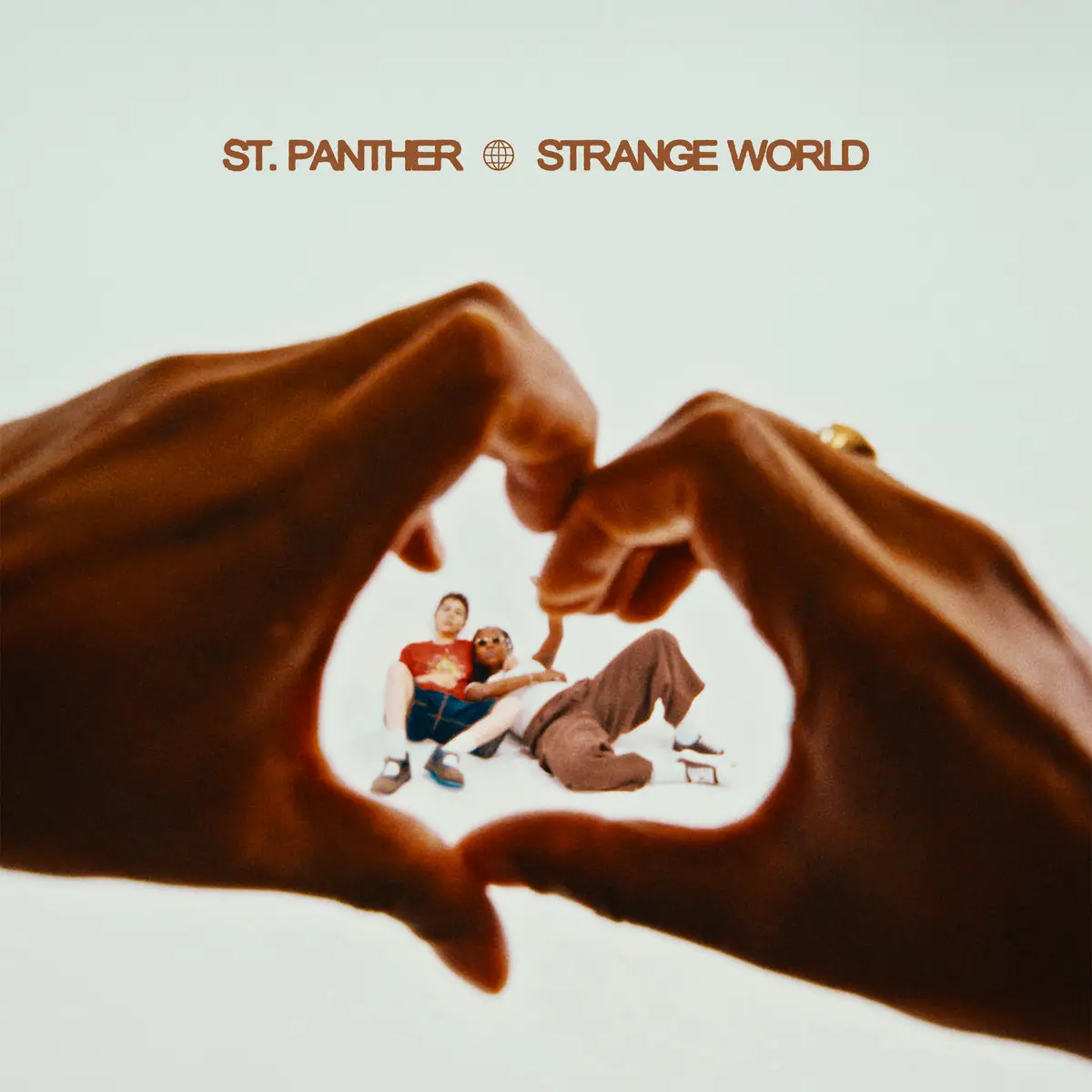
The soul is eternal. Los Angeleno Dani Bojorges-Giraldo wasn’t around for the pop expansions of the 1970s, but seems to have learned the lessons of Stevie Wonder and Rufus & Chaka Khan anyway. Working under the name St. Panther, Bojorges-Giraldo released their debut EP in 2020. That set was at least somewhat grounded in current R&B but the new Strange World (download out Nov. 7 from drink sum wtr) is a sweet old school set of six songs in 17 minutes. There’s some solid songwriting but it’s the voice that shines through. St. Panther knows how to deliver a song and is fairly masterful at phrasing and reshaping a chorus. They live in the same scary and uncertain world as Erica Dawn Lyle but seem more lost than despondent. They’re not giving up, though. Strange World bounces with resilience.
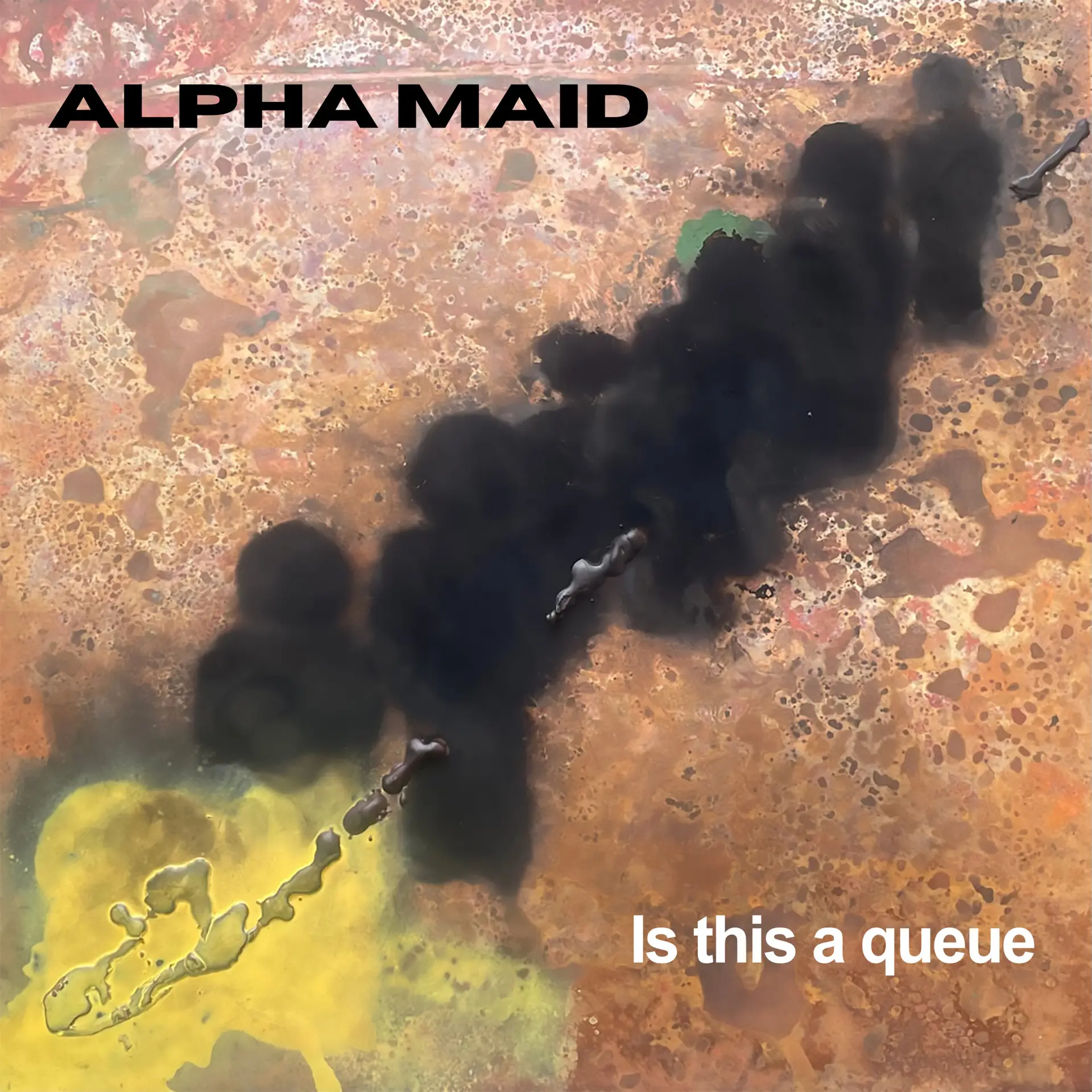
It’s a hard world for little things. Way back in 2021, I wrote about the London’s Alpha Maid in these pages, likening the project to Tricky and Jean-Luc Godard and saying that if the EP CHUCKLE doesn’t unnerve you, “you just don’t have nerves.” A single and another EP later and the Maid is back with Is this a queue (LP, digital out from AD 93 last month). Over the course of repeat listens, Is this a queue had me ruminating anew about the unending unease of the 2020s. Alpha Maid’s post-punk trip hop has grown even more dissociative over the dark and ensuing days—the guitar’s more jagged now, the spoken vocals more resigned and weary. It’s the first full-length (although still just over a half hour) from what is primarily the effort of Leisha Thomas, who writes, produces, plays guitar on and gives voice to the song-like scenarios. The album description on their Bandcamp page is all of one sentence: We only know 4% of the universe, there is hope in that and the unknown 96%. Recommended for those who take their bleak with slow beats.
Author

Discover more from Red Hook Star-Revue
Subscribe to get the latest posts sent to your email.
One Comment
Pingback: I heard the news today…* Digital Bowie EP released; Documentary to focus on Bowie's last decade; a Bowie-themed restaurant in Buffalo; UK Celebs dress as Bowie for Halloween, plus reflections, profiles, lists and MUCH MORE! - Maggiore on Bowie