
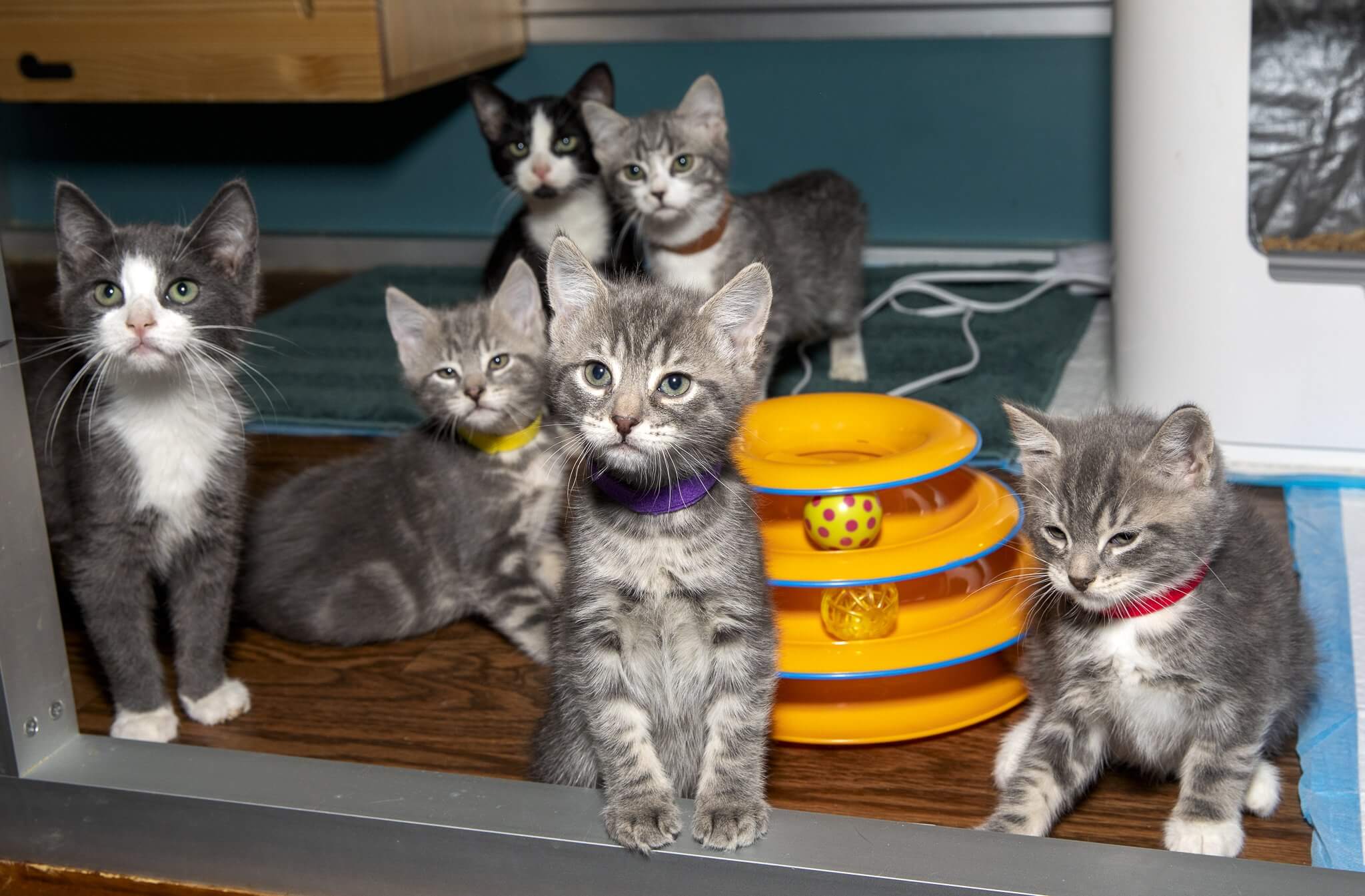
In mid-May, Gov. Kathy Hochul announced that $7.6 million would be awarded to 21 animal shelters and humane societies across the state—through the New York State Companion Animal Capital Projects Fund—for capital projects that “will enhance animal care and health and help ensure adoptions for New York’s dogs and cats.” One of the recipients in this fifth round of the program includes Brooklyn Cat Cafe, a volunteer-run adoption center and community space in Brooklyn Heights that works to reduce animal homelessness through adoption, education, trap-neuter-return (TNR), and outreach.
Approximately $165,000 from this competitive grant will help the cafe expand its shelter space to a second floor and create a full-service medical suite. The expansion will include: New York City’s first public outdoor catio; a nursery for cat moms and kittens; New York City’s first and only shelter room dedicated to cats who are positive for the contagious feline leukemia virus; and a space for single, adult cats.
“We are very grateful to the New York State Department of Agriculture and Markets for this critical funding,” said Anne Levin, executive director of Brooklyn Cat Cafe and founding member of Brooklyn Bridge Animal Welfare Coalition (BBAWC), the nonprofit animal rescue that operates the cafe. “The new space will provide shelter cats that cannot be housed in Brooklyn Cat Cafe’s main space with better enrichment and more opportunities to socialize with people, leading to quicker adoptions and increasing our ability to rescue other cats waiting for intake. In addition, the new medical equipment and veterinary space will allow us to treat rescued cats more quickly and make them available for adoption sooner.”
Adelia Honeywood Harrison, manager of grants and outreach at BBAWC, echoed Levin’s excitement, saying that they can now have a much-needed X-ray machine on site. “Now, when we get an injured cat, we can X-ray them and treat them immediately instead of trying to get an appointment at an external facility and getting the cat over there,” she said. “That’s going to help us get cats treated and ready for adoption sooner.”
The First in the Nation
As the first state in the country to fund capital projects for animal shelters, New York has dedicated more than $33 million to the Companion Animal Capital Fund Program, including funds committed in this year’s budget.
“Animal shelters and humane societies across New York provide essential care for dogs and cats as they await their new families and forever homes,” said Gov. Hochul in a statement on May 12. “New York’s Companion Animal Capital Fund is making a real difference for our shelters and humane societies, and the animals in their care, helping them make critical upgrades to better care for the animals and provide greater support for the staff and volunteers that care for them.”
More than 150,000 animals are annually brought to non-profit and municipality-run shelters and humane societies according to the New York State Animal Protection Federation. The New York State Companion Animal Capital Fund, in turn, helps such organizations continue to provide sheltering services to local communities, promote better care for the animals, and facilitate more adoptions.
“Part of the reason why we wanted to create a cat cafe is because we need more places where people can come and meet adoptable cats,” said Managing Director of Rescue Julia Rosenfeld after noting that more than 120,000 people have visited the Brooklyn Cat Cafe since 2016. “The shelter system is only able to intake a tiny percentage of animals in need and, so, [living in] a state that really supports and understands that and is creating these opportunities [through funding] is the only way that we’re able to make these kinds of things happen.”
The “Underlying Crisis”
Though an estimated 500,000 homeless cats roam freely in New York City, Levin believes this number is much higher—by 200,000—given the lack of accessible and affordable spay/neuter services.
“It’s great that New York State is supporting shelters. It’s definitely needed and hopefully it will help to increase adoptions and education about rescuing animals,” Levin said. “But, the underlying crisis of homeless animals in New York City—specifically homeless cats—is that shelters are dealing with about 5-percent of the problem, because there’s very limited or no affordable spay/neuter and no municipal support for TNR.”
“We’ve seen the impact in waves,” Rosenfeld noted. “At the beginning of the pandemic, everyone wanted to adopt a cat and cats immediately found homes. But at the same time, during the pandemic, access to most spay/neuter was extremely limited because veterinary care was significantly harder to access. We have since seen the impact of that because there are more kittens being born, because cats who would have been spayed/neutered two years ago weren’t. So, at least to me, it has felt much more overwhelming because there are a lot more cats.”
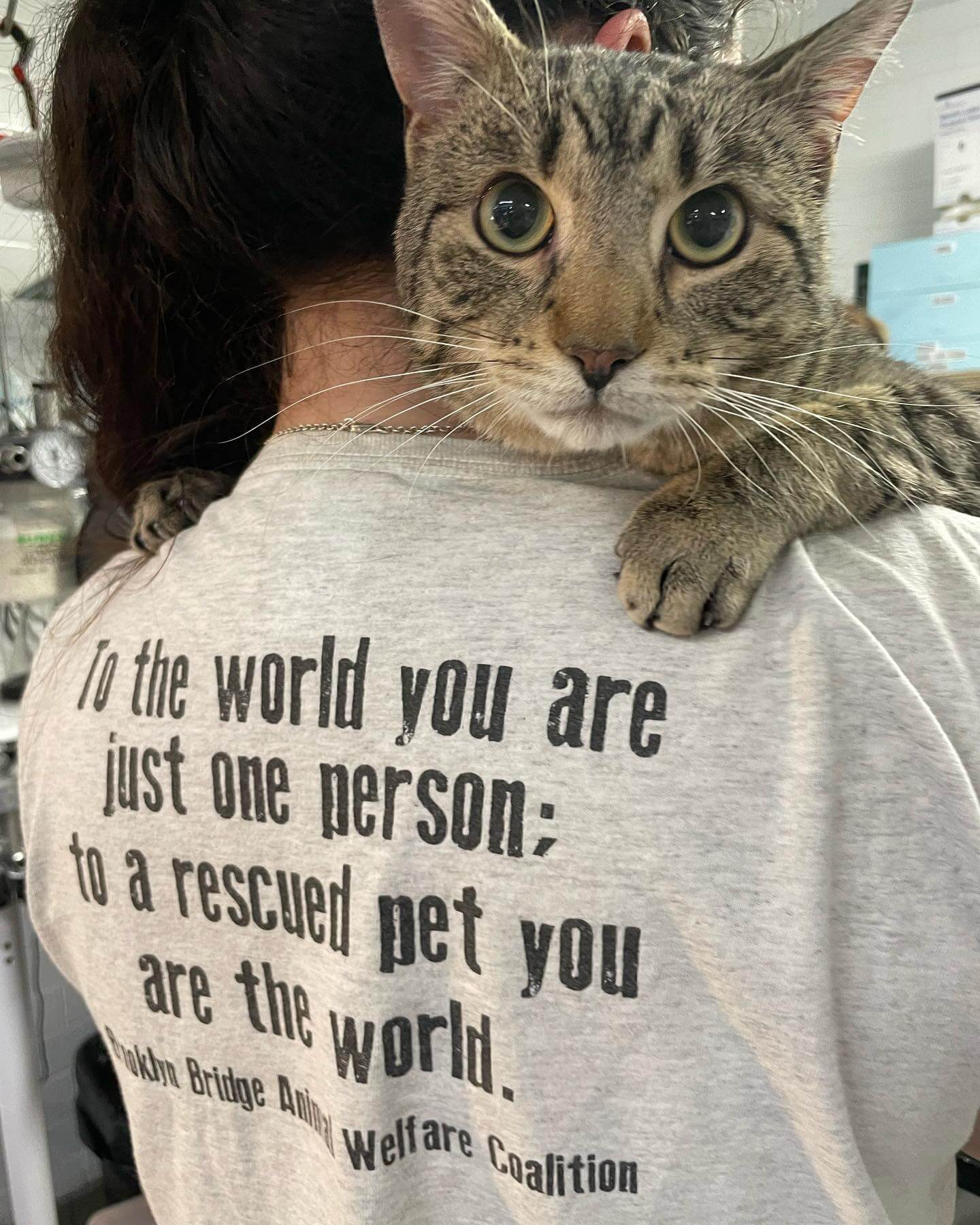
According to a study that BBAWC conducted in 2020, spay/neuter surgery with vaccination for cats at private veterinarians ranged between $400 and $1,000. To help combat this financial barrier, BBAWC launched a discounted rescue veterinary clinic for cats at Brooklyn Cat Cafe in 2020. A year later, BBAWC opened a deeply discounted spay/neuter and surgery clinic for cat rescuers and low-income cat owners—the only low-cost spay/neuter option that is currently available for owned cats in New York City without several months’ wait. Since launching the clinic, BBAWC has spayed/neutered more than 3,200 cats.
Since the State grant funds only half of the Cafe’s project costs, the Brooklyn Cat Cafe needs to raise an additional $165,000 before the end of August to match the grant and secure its funding. The Cafe has received nearly $6,300 in donations as of May 29. To make a donation, visit catcafebk.com/donate.
Author
Discover more from Red Hook Star-Revue
Subscribe to get the latest posts sent to your email.
One Comment
Pingback: What's News, Breaking: Friday, June 16, 2023 – Brooklyn Daily Eagle – Thats Newz