On Sept. 15, a driver in Brooklyn was stopped by the New York Police Department after running a red light. In an unexpected turn of events, the officers found 29 Chinese mitten crabs, a crustacean considered one of the world’s most invasive species (it’s number 34 on the Global Invasive Species Database), while searching the vehicle.
Environmental Conservation Police Officers were called to the scene and issued a ticket to the crab smuggler.
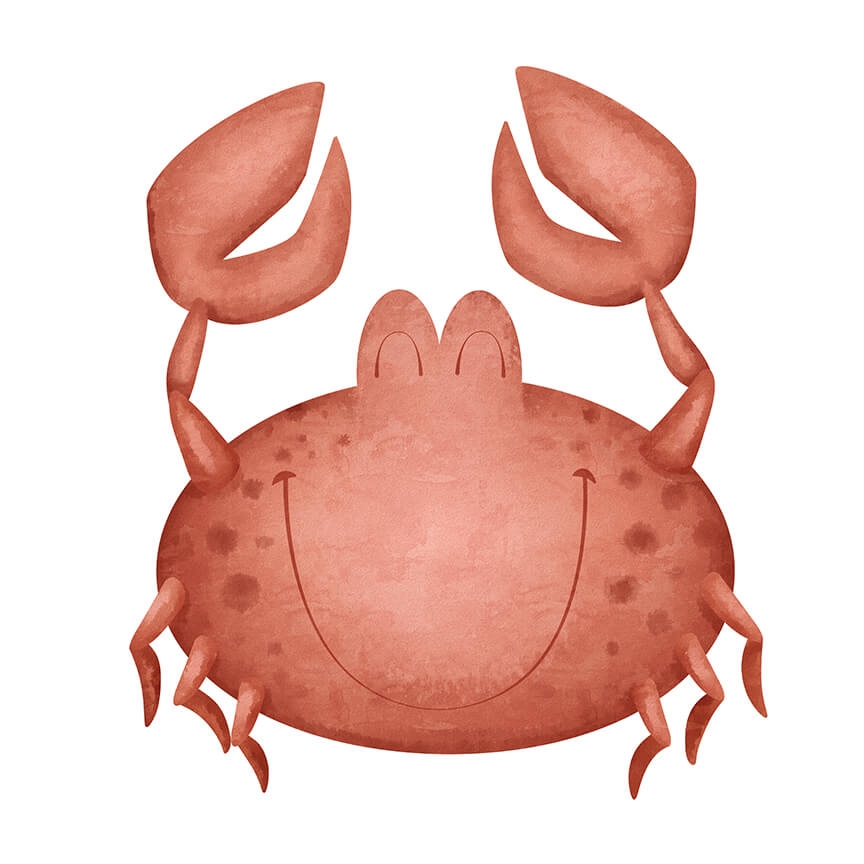
Chinese mitten crabs are native to freshwater and estuarine habitats along the east coast of Asia but are primarily found in Northeastern China. Recognizable by their furry, mitten-looking claws, the critters range between three and ten centimeters in size as adults. While considered invasive in North America and Europe, the shellfish has traditionally been viewed as a high-valued aquatic delicacy in China.
Today, it’s illegal to possess, sell, purchase, transport or import mitten crabs in New York State. However, trafficking of large quantities through air cargo and small quantities through parcels and checked luggage remains a persistent problem. In the U.S., the crabs can sell for between $15 and $30, depending on size and sex. While it is rare to find live mitten crabs sold on the open market, smugglers often use apps to sell their furry products.
“We think that that’s one of the major invasion trajectories. But they have been invasive in Europe for over 100 years, so they could certainly be coming in via ballast water as well,” said Dr. David Hudson, founder, CEO and research scientist at Remote Ecologist, a non-profit organization working to expand conservation science. Dr. Hudson, a crustacean biologist, has spent much of his academic career studying invasive species in the Americas, including Chinese mitten crabs in the Long Island Sound.
Invasive species aren’t always detrimental to their new ecosystems or to humans. But in the case of the Chinese mitten crab, a permanent and large population in the New York area would spell bad news. (The same is the case, of course, across the country.) In Europe, the crabs have already done over $80 million in damage along the Danube River, the continent’s second-longest river. The hairy-clawed shellfish burrows into river banks, which can cause them to fall in, damaging pilings and destabilizing dams, said Dr. Hudson. According to the New York State Department of Environmental Conservation (DEC), there is also evidence from Europe and California of mitten crabs interfering with commercial and recreational fisheries and disrupting industries by blocking the cooling systems of power plants.
“If there’s tight control over it, and it’s a few outlets
the state can monitor, then I think you’re in good shape.
You just can’t have it run amok.”
So far, the current population in the northeastern U.S. has not gained enough of a foothold to cause the kind of damage seen in Europe, but if it’s not kept in check, that can change.
“It is an established population in the sense that it seems to be persisting,” explained Dr. Hudson.
“We’ve seen what’s happened in other freshwater systems. The Hudson River is a major waterway, as is the Connecticut River, as are some of the smaller rivers in Connecticut where we have quite a bit of industry. This is a concern for maritime trades.”
The crabs can not only cause trouble for humans, but also wreak havoc on ecosystems. They are a natural repository for crayfish plague — a fungal disease behind mass mortalities of crayfish species in Europe and Asia and responsible for one of the most severe wildlife pandemics ever reported — as well as “an array of potential pathogens,” according to a 2019 research paper co-authored by Dr. Hudson.
“When we’re thinking about trying to maintain fisheries that are important, we have a few crustaceans that are pretty important in the Northeast. Blue crabs and lobsters come to mind, that already have other things that they’re dealing with when it comes to disease. So, adding one more thing on top of that, and adding to the fact that we have some native species that are already in critical condition the Northeast, from a species conservation standpoint, that’s a concern,” said. Dr. Hudson.
The crabs can also out-compete native species for food and habitat. Disrupting freshwater ecosystems, as these crustaceans can do, can have far-reaching consequences, noted Dr. Hudson.
And not just for the animals and plants themselves; ecosystem complexity is good for humans, too.
“When complexity and structure — like sea grass, marsh grass, oyster reefs — decline,” he said, “then we’re going to see a decline in the ecosystem services that those things provide, like filtration and, therefore, water quality.”
DEC has several recommendations for how New Yorkers can help protect the state from introducing more Chinese mitten crabs into our waterways. They include cleaning, draining and drying watercraft and equipment before visiting other waterbodies, inspecting and removing debris and mud from boats, trailers and equipment, and learning to identify the furry critters. If you think you have caught one, DEC advises, do not release it back into the water. Instead, take photos of it from all sides, then freeze it and contact authorities.
Dr. Hudson also suggested allowing an open market, overseen and controlled by the states, could be an option in some cases for keeping existing populations (import should remain prohibited) in check. “If there’s tight control over it, and it’s a few outlets the state can monitor, then I think you’re in good shape. You just can’t have it run amok.”
Author

Discover more from Red Hook Star-Revue
Subscribe to get the latest posts sent to your email.