The four objectives outlined by Mayor Adams for revisioning the BQE Corridor – Urgency & Resiliency, Equity, Fiscal Responsibility and Stakeholder Involvement – are noble goals that have been met with universal approval. The call for a “transformative solution” and the recognition that this is a once in lifetime opportunity to address the problems of what may be the worst stretch of Federal Interstate Highway in America, is also something that is universally agreed upon.
We also agree that when the highway is over capacity— and that is pretty much all the time— traffic flows like a river through the communities along the entire BQE corridor. It’s flood that destroys the quality for our lives, harms our children and our health. All agree that’s what is responsible for pedestrian and biker injuries and deaths as well as for the endless delays that wastes our time and increases the cost of everything that we buy.
As a 35-year member of my community board’s transportation committee and longtime civic leader who has attended hundreds of public meetings and hearings on traffic issues, held speed guns and tailed trucks in the middle of the night with area residents, I can tell you that there is much agreement that these are the issues that truly plague our communities.
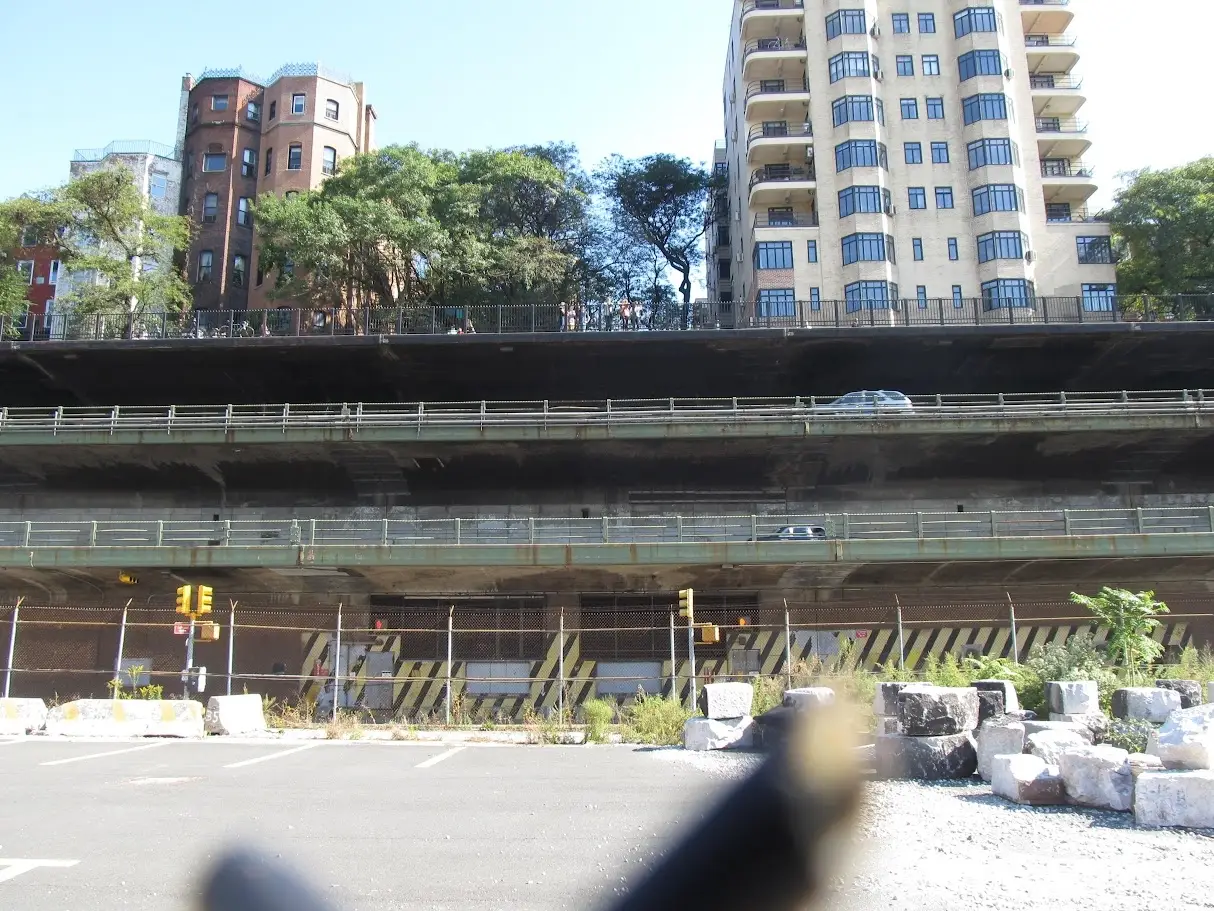
The Mayor and NYC DOT have promised to finally address these issues and our local elected officials have lauded the effort, but it is still not clear exactly how they propose to accomplish the Mayor’s goals. This lack of clarity is especially critical for the residents North and South of the Central Triple Cantilevered Roadway (TCR) section of the BQE. The TCR needs to be repaired, rehabilitated or replaced, but it is not clear how this will impact or perhaps even help resolve the issues North and South. Given that the scale of the infrastructure repair/replacement cost for a project of this magnitude will certainly be in the $Billions and will cause years of discomfort and inconvenience. I hope we can all agree that good planning requires a comprehensive plan that has been tested, thoroughly vetted and proven if we are going to achieve an effective solution.
Fortunately, this is something that is possible. Sophisticated transportation modeling can create an interactive computer model that can look at the entire corridor. Benchmarks and goals can be established. Quantifiable metrics can be used to test and compare all proposed solutions. Is a 6-lane Triple Cantilevered Roadway needed? Will it reduce T.R.AP. for all sectors? Would a 4-lane roadway reduce overflow traffic in adjacent communities? Would moving I278 and truck route to a tunnel underneath downtown Brooklyn accomplish these goals? Modeling can help provide those answers…before we build. Decisions will still need to be made, but they would be informed decisions to address the achievable goals I think we all agree on.
 So, there is actually a lot of agreement about the need to transform the BQE. What there is much disagreement about is how best to accomplish that transformation. To that end, I would like to propose that our elected officials retain an independent transportation consulting firm capable of creating an interactive transportation model to virtually test all alternative proposals and demonstrate how the benefits might be distributed. Would this be a technical challenge— Yes. Can it be done— the answer is also Yes. Would it be worth it? I certainly hope we can all agree that employing 21st Century technology might be the best path forward towards achieving an equitable, environmentally responsible 21st Century transportation solution for the Brooklyn Queens Expressway.
Roy Sloane is a former member of Community Board 6 and for three decades headed the Cobble Hill Association. He lives on Pacific Street.
Author

Discover more from Red Hook Star-Revue
Subscribe to get the latest posts sent to your email.