
For months, my neighbors and I did exactly what the City asked of us.
We showed up. We logged on. We filled out surveys. We sat through the webinars and “visioning sessions.” We took time off to attend meetings about the future of our waterfront. We wrote thoughtful comments and asked basic questions about traffic, flooding, jobs, and affordability.
We believed that if we participated in good faith, the process would be in good faith too.
We were wrong.
That’s why on behalf of this community we’ve filed a lawsuit against the NYC Economic Development Corporation, asking the court to throw out the so-called Final VisionPlan for the Brooklyn Marine Terminal. Because when the public process is broken and conducted behind closed doors the plan that comes out of it shouldn’t stand.
This lawsuit isn’t about ideology. It’s about something much simpler: they can’t plan public land in secret. And yet that’s exactly what happened.
An illegitimate vote held behind closed doors can’t stand.
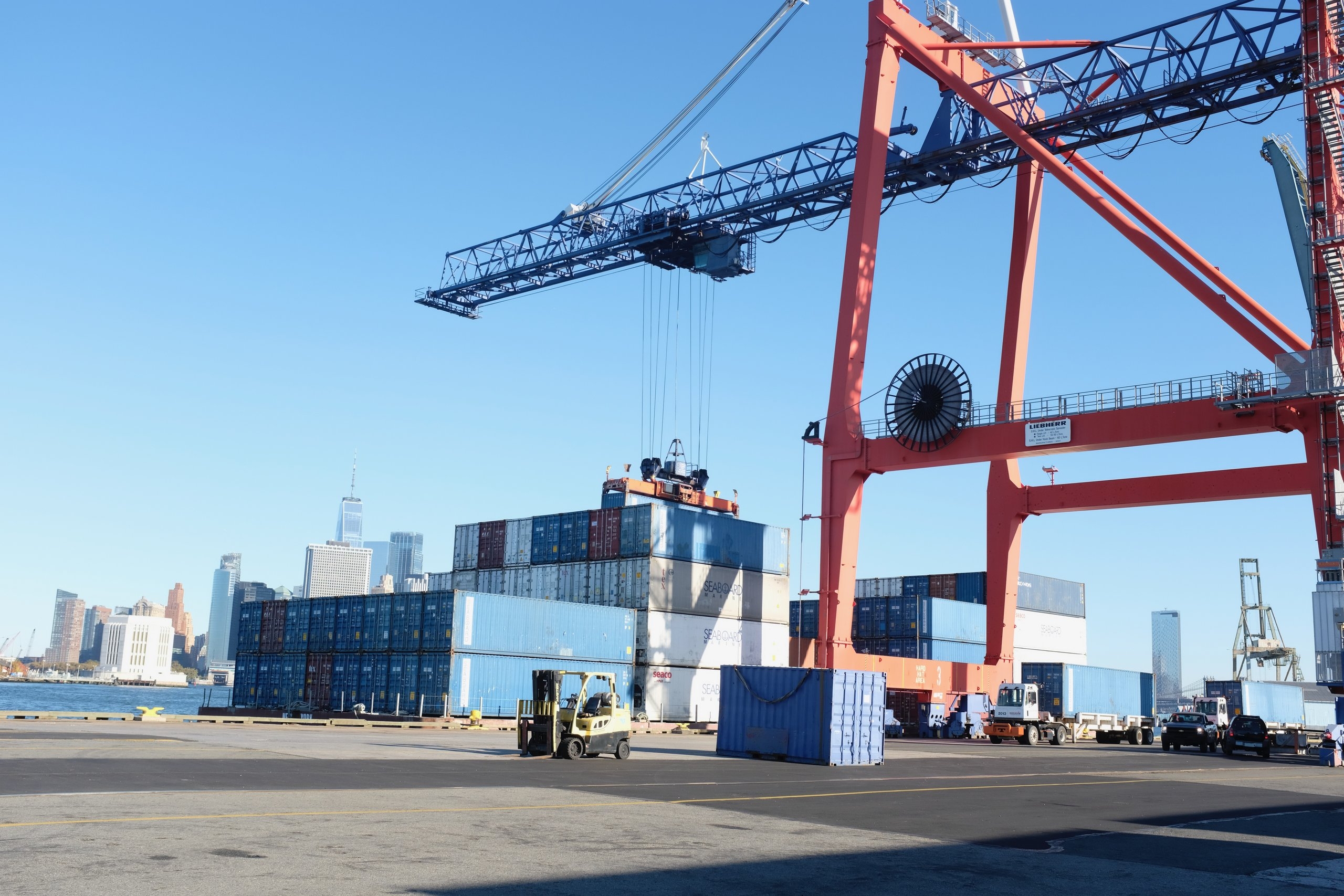
The Brooklyn Marine Terminal covers 122 acres of publicly owned waterfront stretching across Red Hook and the Columbia Street Waterfront. It’s one of the last working waterfront sites in Brooklyn — a place that still supports maritime uses, small businesses, and blue-collar jobs. Decisions about this land will shape our neighborhood for generations. Once it’s gone, it’s gone.
So when the City announced a “Task Force” and promised deep community engagement, many of us were cautiously optimistic. Finally, we thought, this would be a real conversation about how to protect jobs, strengthen the maritime economy, and make the waterfront more resilient in the face of climate change.
Instead, we got was a preconceived plan with a predetermined outcome.
Meetings were tightly controlled. Public participation was limited. Questions were screened or ignored. Records and minutes required by law didn’t. Critical decisions happened behind closed doors, away from the people most affected.
And then came the moment that made it crystal clear this process was a total sham.
The final public meeting wrapped up. We were told the Task Force would deliberate. Then — nothing. No updates. No explanation. No new drafts.
Two months later, the Task Force voted on the “BMT Final Vision Plan.”
But here’s the catch: during those two months, the plan had changed.
Changed how? Changed why? At whose request?
The public wasn’t told.
We didn’t see what was revised. We didn’t see what was added or removed. We weren’t shown redlines or summaries or even a basic explanation of what had shifted. The differences only became clear after the vote was already over and the deal was effectively sealed.
That’s not “community led” public planning. That’s bait and switch.
You can’t hold your last public meeting, go dark for two months, quietly rewrite the plan, and then pop back up for a vote. That’s not public engagement.
Our lawsuit argues that this kind of backroom decision-making violates New York’s Open Meetings Law — the basic rule that says public business must be conducted in public. It’s not a technicality. It’s a cornerstone of democracy. The whole point is to prevent decisions about public assets from being shaped in private rooms where the public can’t see what’s happening.
Because when that happens, the same pattern repeats itself.
Developers get richer and communities get displaced.
We’ve seen this story all over the city. Public land quietly turns into a real-estate opportunity. Big promises get made about “revitalization” and “progress.” Glossy renderings appear. And somehow, what we actually need — stable jobs, affordable space for local businesses, real infrastructure, protections against flooding and displacement — become an afterthought.
The people who already live were treated like an obstacle instead of stakeholders.
And if we dare to question it, we’re labeled NIMBYs, accused of “blocking housing” or standing in the way of progress.
But demanding transparency isn’t obstruction. It’s democracy.
Public land belongs to the public. We have a right to see how decisions are made — especially when those decisions reshape our neighborhoods for decades.
I’ve lived on this waterfront for decades. This isn’t abstract policy to me. It’s daily life. It’s the traffic on our streets. It’s watching small businesses struggle to hang on as rents climb. It’s wondering how the next storm surge will hit our low-lying blocks. It’s neighbors who’ve built their lives here, now worried they’ll be priced out and displaced from the community they helped build and love.
When the City talks about “redeveloping” the BMT, they’re talking about reshaping our home.
The least they can do is let us watch the decision-making happen in real time.
Instead, we were asked to trust a process we couldn’t see.
Trust us, they said. We’re listening, they said.
But listening isn’t muting the public while they talk behind closed doors. Listening isn’t rewriting a plan after the public goes home. Listening isn’t holding a vote two months later on a document no one outside the room has actually reviewed.
Listening means sharing power.
And that’s what this lawsuit is really about.
We’re not suing because we oppose change. Cities evolve. Waterfronts evolve. I want the BMT to succeed — to create real jobs, strengthen local industry, and serve the community, not just investors.
But if we allow a plan to be created in secrecy, the outcome won’t serve us. It never does.
A lawful, transparent process doesn’t slow things down. It makes better decisions. It forces agencies to answer hard questions. It builds trust. Without that trust, every plan feels like something being done to us, not with us.
So we went to court.
We’re asking a judge to say what should be obvious: if the process violated the law, the BMT Final Vision Plan can’t just move forward as if nothing happened. Send it back. Open the doors. Show the changes. Let the public see the conversations, the votes, the trade-offs.
Let democracy actually happen.
This isn’t just a fight about one community. It’s a line in the sand about how this city treats its residents.
Are we participants — or props?
Are public meetings real — or just window dressing?
Who does public land actually belong to?
We filed this lawsuit on behalf of this community not only because we demand transparency and inclusion but because the law requires it. Democracy only works when the public is actually in the room.
And we’re done waiting outside the door.
What you can do
If you believe public land should be planned in public, not behind closed doors, visit StopTheEDC.com to read the lawsuit, see the timeline, and get involved. Sign the petition and help demand a process that respects the people who actually live here.
Discover more from Red Hook Star-Revue
Subscribe to get the latest posts sent to your email.