No one knows how many there are. They prowl the streets at night, looking for food and shelter. Some hiss, some hide, and some ask for pets. They’re black, orange, white, tabby, tuxedo-patterned.
They are community cats.
In New York, the outdoor animals that receive the most attention are the rats. But the streets are also the home of a large, number of feral and stray cats. Some estimate the number at 500,000, while others say it’s closer to a million; it’s impossible to count.
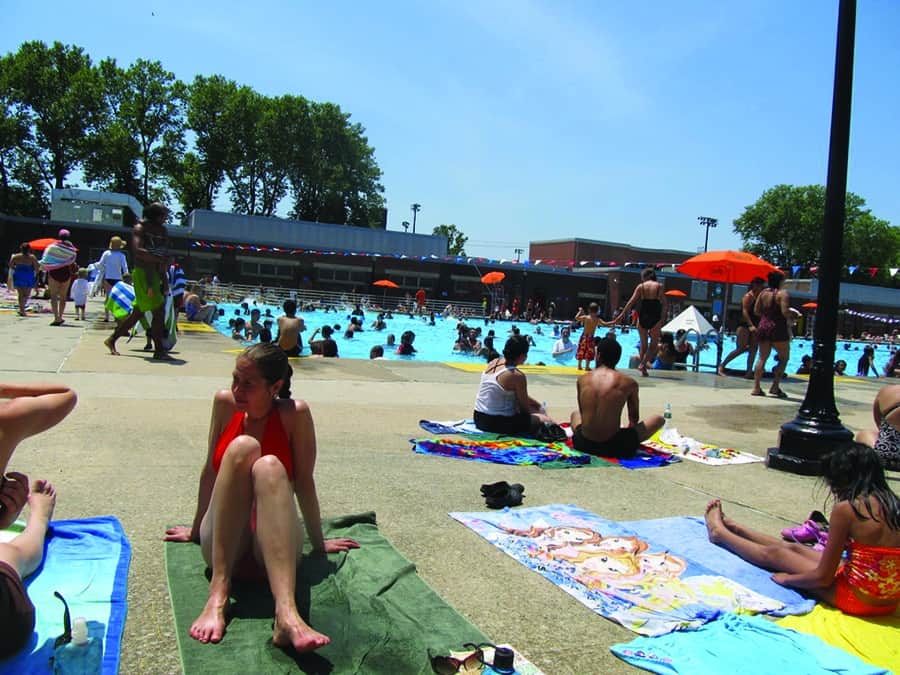
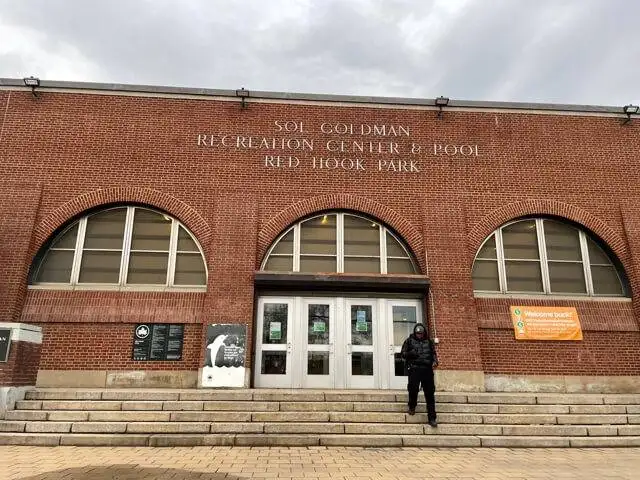
Red Hook, being a waterfront neighborhood, has plenty of community cats, many of whom are known and loved. Some years ago, an Instagram account devoted to a feral cat colony on Hicks Street documented the lives of those cats.
In 2018, the Star-Revue highlighted some of Red Hook’s cats, including little Bubba—affectionately referred to as Garbage Pail Cat. “They are a rough-looking lot. Scars, dirty paws, limps, tipped ears, and crooked tails. A motley crew,” wrote Vicki McIsaac, who had 12 cats living on her block.
Two years earlier, the city also conducted a trap-neuter-return (TNR) blitz at the container terminal, hoping to neuter or spay 60-70 cats.
TNR is widely viewed as a humane way to manage stray and feral cats. Populations are managed and slowly decrease through attrition.
Between 2005 and 2019, the Mayor’s Alliance for NYC’s Animals led the cat initiative. In 2019, it transferred ownership to Bideawee, an animal welfare and adoption nonprofit.
Nowadays the city relies on organizations like Bideawee to offer training and conduct TNR efforts. “A lot of people nowadays are calling it TNR-M to emphasize the fact that we are continuing to manage these cats. We don’t just fix them and walk away,” said Kathleen O’Malley, director of community cat education at Bideawee.
From adoption to abandonment
The number of feral cats in the city boomed after the pandemic. Many could no longer care for their feline pets. Some gave them to already overwhelmed shelters, while others simply left them on the street.
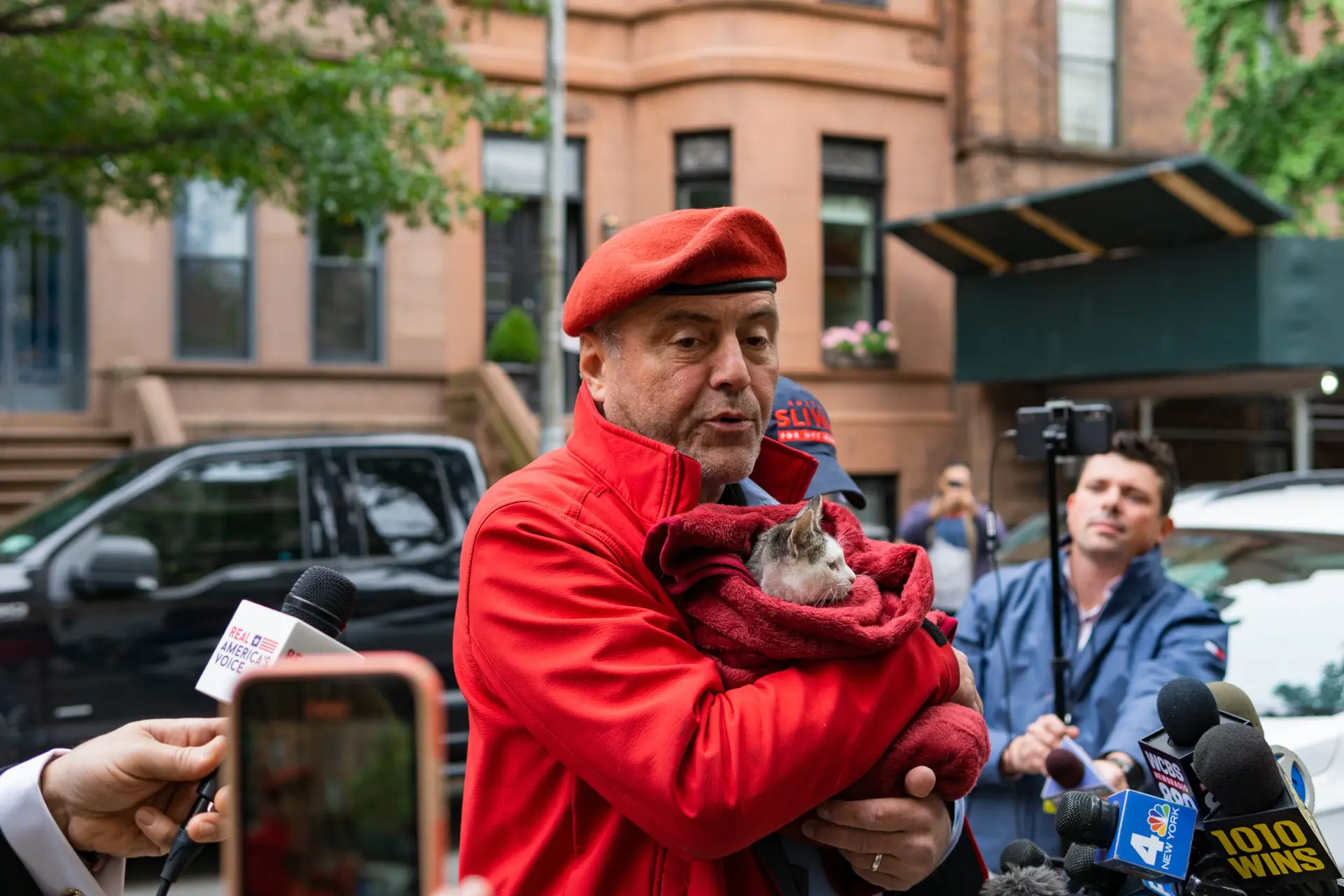
Community cats are not, in themselves, a problem, said Curtis Sliwa, longtime animal welfare advocate. For years, he’s argued for the city to use cat colonies to manage the city’s rat problem; in one particularly public case in 2023, he offered to deploy cats to deal with the rat infestation in Eric Adams’ Brooklyn rowhouse.
Speaking to the Star-Revue, Sliwa said Red Hook residents and business owners he’s met credit the feral cat population for managing the neighborhood’s rats. “They are Mother Nature’s natural deterrent.”
When it comes to managing the city’s community cats, the tide might be turning. In September of last year, the City Council approved $500,000 to fund a program to spay and neuter 3,500 cats in 2026.
Previous mayors have not been particularly receptive to Sliwa’s plans, and Mamdani didn’t make animal welfare an issue during his campaign. But, Sliwa said, he is in the perfect position to take the city in a new direction.
Because he has an appeal to so many millennials and Gen Zers—who have more of the time and the energy sometimes to devote to this—and it becomes part of their mentality, then wow. He’ll set a whole new trend,” Sliwa said.
In recent months, O’Malley has seen a grassroots effort to get City Hall more involved in animal welfare.
“ If TNR is going to be successfully done all across the city, we need a real department, like the size of the police force. We need 40,000 people going around and trapping cats,” she said. She said it half in jest, but a department of animal welfare is something groups and volunteers have advocated for.
She also noted that Mayor Mamdani was endorsed by Voters for Animal Rights.
“ I’m feeling optimistic. Things are getting better,” O’Malley said.
Mayor Adams had, for a brief period, a rat czar, charged with managing the city’s rat problem. Would Sliwa take on the job of cat czar, if it were offered to him?
“I’d be more than happy to volunteer my services as a cat czar, because it’s not just me. It’s all of these rescue groups. All they need to have is somebody who can speak on their behalf and say, in City Hall, ’We have got to make a little time for these cats.’“
Discover more from Red Hook Star-Revue
Subscribe to get the latest posts sent to your email.